


Twin Screw Fish Feed Extruder: Comparing Aquafeed Product Changeovers and Acceptance Evidence
Select a twin screw fish feed extruder by defining the agreed aquatic-feed behavior and consistency…
Select a twin screw fish feed extruder by defining the agreed aquatic-feed behavior and consistency…
Understand the Material Before Choosing Machinery Wood-based cat litter can be produced from suitable sawdust,…
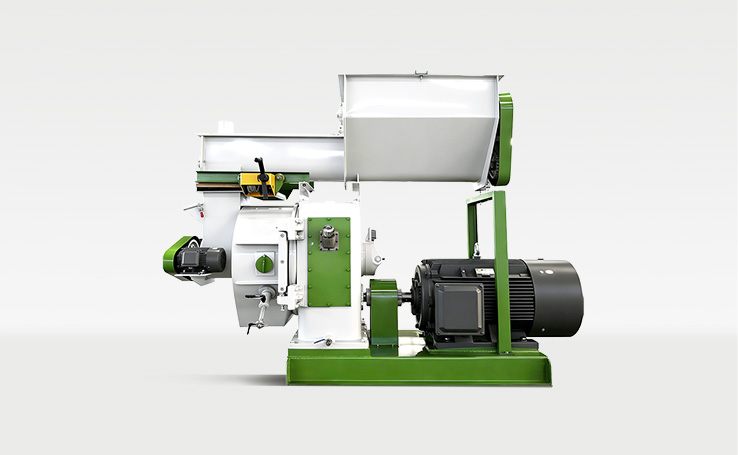
Introduction: Why Are Peanut Shells Interesting as Fuel? Agricultural processing creates large quantities of residues…
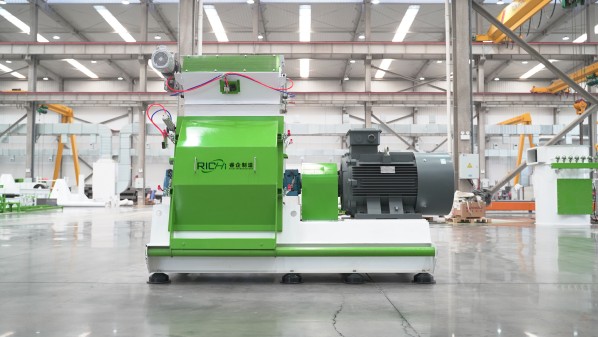
Wood crushing performance plays an important role in biomass processing, wood pellet production, briquette manufacturing,…
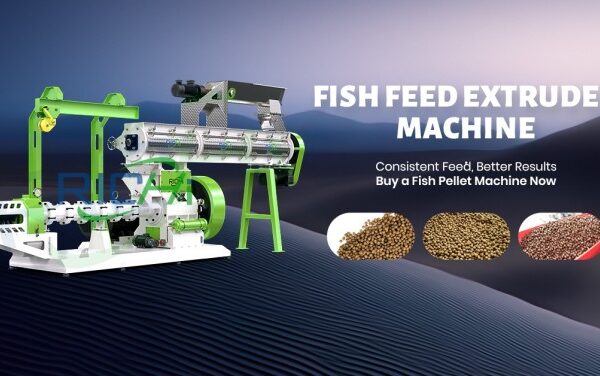
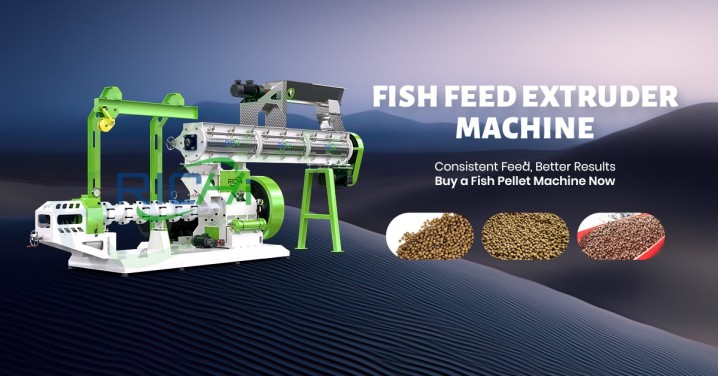
Select a twin screw fish feed extruder by defining the agreed aquatic-feed behavior and consistency across product changes and the actual condition of the planned fish-feed formulations and prepared ingredients before comparing equipment offers. The decision should connect raw material, throughput, utilities and operating conditions to measurable acceptance criteria. This guide explains the technical questions…
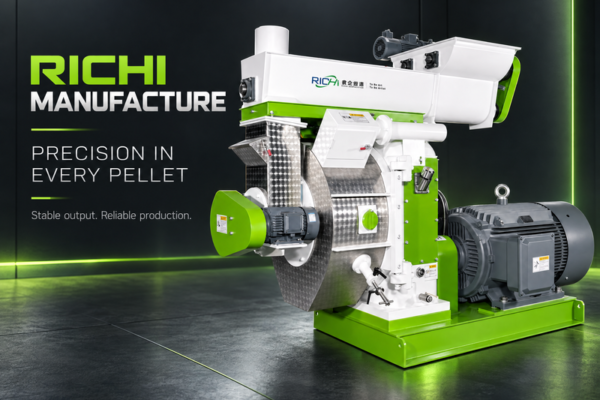
Understand the Material Before Choosing Machinery Wood-based cat litter can be produced from suitable sawdust, wood fibers, and other clean wood-processing residues. Although these materials may appear similar, their moisture content, particle size, density, and fiber structure can vary significantly. Those differences influence feeding, compression, pellet durability, and the condition of the finished product. A…
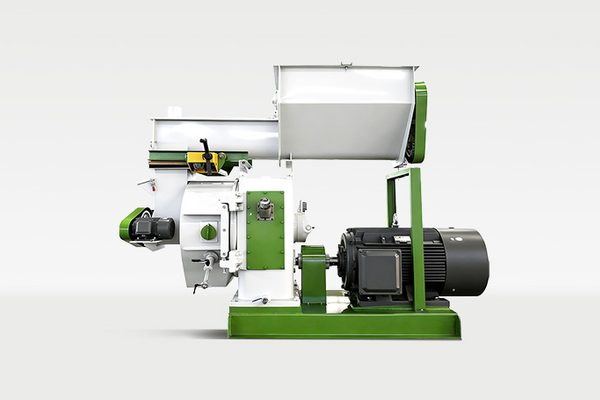
Introduction: Why Are Peanut Shells Interesting as Fuel? Agricultural processing creates large quantities of residues that are often treated as low-value materials. Peanut shells are a typical example. After peanuts are separated from their shells, the remaining shell material can accumulate around farms, processing facilities, and storage areas. Depending on local conditions, these residues may…
Wood crushing performance plays an important role in biomass processing, wood pellet production, briquette manufacturing, wood recycling, and renewable fuel production. Whether a plant processes logs, branches, wood chips, sawdust, bark, or other wood residues, the efficiency of size reduction directly influences subsequent drying, pelletizing, briquetting, conveying, storage, and combustion. However, the performance of a…
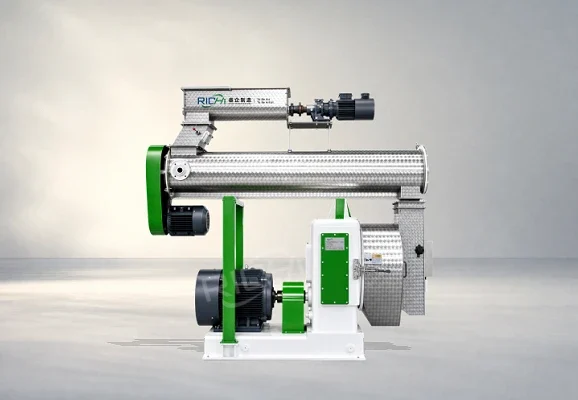
Small-scale goat farming and commercial goat feed production are often discussed as if they sit on the same continuum, just at different volumes. They do not. The differences go beyond capacity. They touch ingredient sourcing, formulation discipline, quality control, labor structure, and the way equipment is used day after day. A farm producing a few…
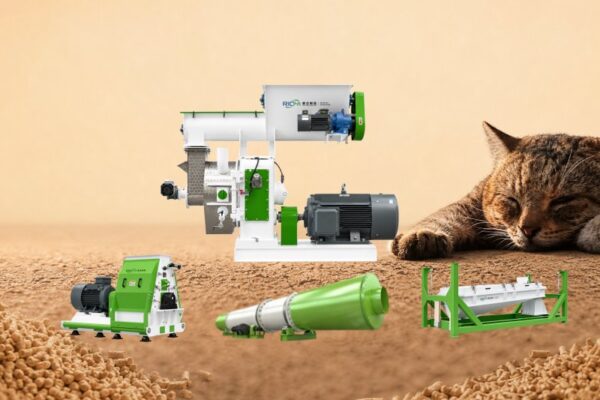
When consumers purchase cat litter, they rarely think about the machinery that produced it. They think about practical questions: Does it absorb liquid? Does it create too much dust? Does it break apart correctly? Is it easy to clean? Does it produce an unpleasant odor? Will the bag contain a large amount of powder? These…
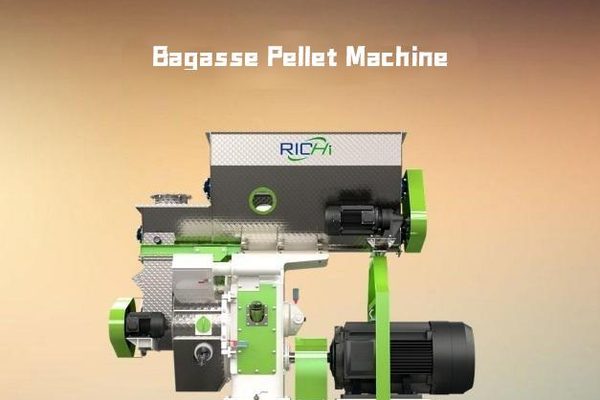
A 2–5 tons per hour bagasse pellet production project can be suitable for sugar mills, biomass fuel producers, and businesses with a stable supply of sugarcane processing residues. At this capacity, the production system needs to maintain a continuous flow from raw material preparation to finished pellet handling. The pellet mill is important, but drying,…

Straw pelletizing is a process that converts agricultural residues such as wheat straw, rice straw, corn stalks, barley straw, and other crop residues into compact biomass pellets. By reducing particle size, controlling moisture, and applying mechanical compression, loose and bulky straw can be transformed into a denser and easier-to-handle fuel. The straw pelletizing process is…

What Determines the Cost of a Commercial Vegetable Waste Pellet Plant The investment cost of a commercial vegetable waste pellet plant is determined by the complete production system rather than a single pelletizing machine. A successful industrial project must convert unstable agricultural waste into a consistent raw material that can be processed, compressed, dried, stored,…

Purchasing feed machinery is a long-term business decision. The equipment will influence production capacity, pellet quality, maintenance requirements, and operating efficiency for years. For this reason, selecting the right supplier can be just as important as selecting the right machine. An experienced animal feed pellet machine manufacturer should understand the relationship between raw materials, feed…