

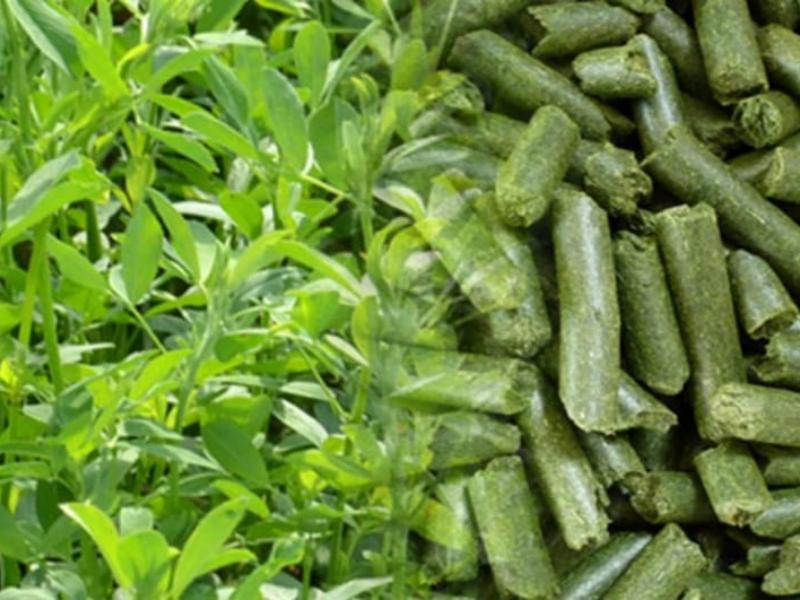
Grass pellet processing has rapidly evolved from a small niche activity into a globally recognized agribusiness sector. With the continuous expansion of livestock farming, increasing demand for high-quality animal feed, and rising pressure to utilize agricultural waste efficiently, grass pellet production has become an attractive investment opportunity for entrepreneurs and agricultural processors.
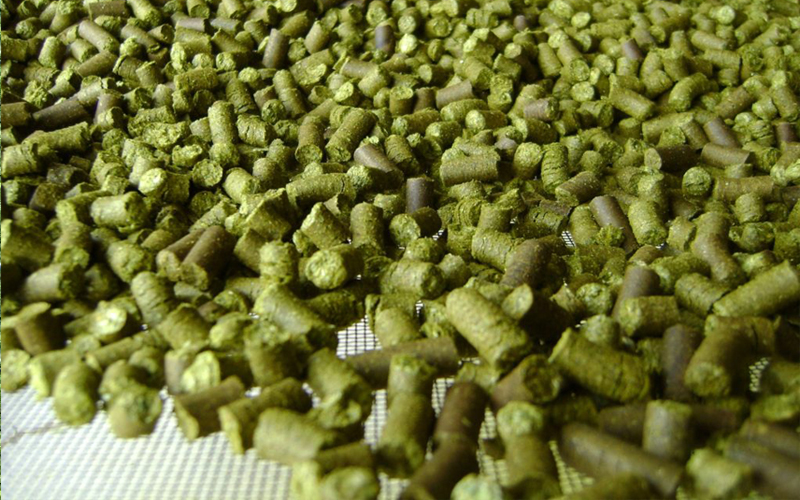
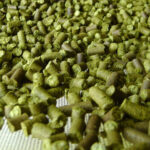
The industry transforms raw forage materials such as alfalfa, hay, ryegrass, and other crop residues into dense, nutrient-rich pellets. These pellets are easier to store, transport, and feed compared to loose forage, while also improving animal nutrition and reducing waste.
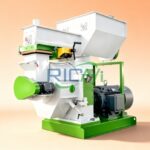
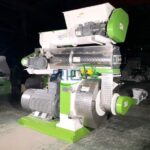
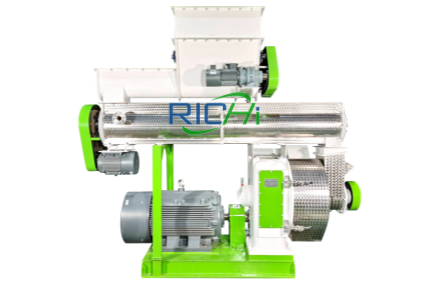
Modern production systems rely on specialized equipment such as the alfalfa pelleting machine and hay pellet machine for sale, which enable efficient, large-scale, and consistent production.
But the key question remains: Is grass pellet processing truly a profitable industry?
To answer this, we must examine market demand, production costs, revenue potential, operational efficiency, and long-term growth trends.
1. Overview of the Grass Pellet Industry
The grass pellet industry is part of the broader animal feed and agricultural processing sector. It focuses on converting forage crops into compressed pellets for livestock consumption.
Key end users include:
- Dairy farms
- Beef cattle farms
- Sheep and goat farms
- Horse breeding farms
- Feed distributors
1.1 Why the Industry Is Growing
Several global trends are driving growth:
- Expansion of livestock farming
- Rising cost of traditional feed
- Need for efficient feed storage
- Increased focus on sustainable agriculture
- Demand for standardized animal nutrition
2. Market Demand for Grass Pellets
Demand for grass pellets continues to rise due to their nutritional and logistical advantages.
2.1 Advantages Over Traditional Feed
Compared to loose hay or fresh forage:
- Higher feed density
- Lower storage requirements
- Reduced feed waste
- More consistent nutrition
2.2 Expanding Global Markets
Strong demand exists in:
- North America
- Europe
- Australia
- Middle East livestock regions
- Emerging agricultural economies
3. Role of Alfalfa Pelleting Machine in Profitability
The alfalfa pelleting machine is one of the most important assets in grass pellet processing.
3.1 Why Alfalfa Is Valuable
Alfalfa is a premium forage crop because it contains:
- High protein levels
- Rich minerals
- Excellent digestibility
- Strong animal growth support
3.2 Function of Alfalfa Pelleting Machine
This machine converts raw alfalfa into dense pellets by:
- Crushing dried material
- Compressing it through a die
- Forming uniform pellets
3.3 How It Improves Profitability
The alfalfa pelleting machine increases profit by:
- Adding value to raw crops
- Improving production efficiency
- Reducing labor costs
- Producing high-demand premium feed
3.4 Market Advantage
Alfalfa pellets often sell at higher prices due to:
- Better nutritional profile
- Strong demand in dairy industry
- Consistent quality
https://pelletisingmachine.com/alfalfa-pellet-mill-for-sale
4. Importance of Hay Pellet Machine for Sale in Business Operations
The hay pellet machine for sale plays a critical role in commercial grass pellet production.
4.1 What Hay Pellets Are
Hay pellets are made from:
- Grass hay
- Mixed forage
- Agricultural residues
They are widely used in livestock feeding systems.
4.2 Function of Hay Pellet Machine
This machine processes raw hay into uniform pellets by:
- Grinding and conditioning materials
- Compressing them into dense pellets
- Ensuring consistent output
4.3 Contribution to Profitability
The high-performance hay pellet machine for sale contributes to profit through:
- High production capacity
- Low operating cost
- Efficient raw material usage
- Reduced waste
5. Investment Costs in Grass Pellet Processing
To evaluate profitability, we must consider investment costs.
5.1 Main Cost Components
- Raw material procurement
- Equipment purchase
- Facility setup
- Labor costs
- Energy consumption
5.2 Equipment Investment
Major machines include:
- alfalfa pelleting machine
- hay pellet machine for sale
- grinding and mixing systems
- drying and cooling equipment
5.3 Initial Capital Requirement
Small-scale plants require moderate investment, while industrial plants require higher capital but offer greater returns.
6. Production Costs and Efficiency
Profitability depends heavily on production efficiency.
6.1 Key Cost Drivers
- Raw material price
- Electricity usage
- Labor expenses
- Maintenance costs
6.2 How Efficiency Reduces Costs
Efficient systems:
- Reduce energy consumption
- Minimize material waste
- Increase output per hour
- Lower labor requirements
7. Revenue Generation in Grass Pellet Business
Revenue comes from selling processed grass pellets.
7.1 Pricing Factors
Prices depend on:
- Raw material type (alfalfa vs hay)
- Pellet quality
- Market demand
- Geographic region
7.2 Premium Product Advantage
Alfalfa-based pellets often generate higher revenue due to:
- Better nutrition
- Strong livestock demand
- Export market opportunities
8. Profit Margins in Grass Pellet Processing
Profit margins vary depending on scale and efficiency.
8.1 Small-Scale Operations
- Lower investment
- Moderate profit margin
- Local market focus
8.2 Medium-Scale Operations
- Balanced investment and return
- Regional distribution
- Stable profit growth
8.3 Large-Scale Operations
- High automation
- Strong economies of scale
- Highest profitability
9. Role of Technology in Profitability
Modern technology significantly improves profit margins.
9.1 Automation Benefits
- Reduced labor costs
- Higher production consistency
- Faster processing
9.2 Machinery Integration
Systems including:
- alfalfa pelleting machine
- hay pellet machine for sale
ensure smooth and efficient production flow.
10. Waste Reduction and Resource Efficiency
One of the biggest advantages of grass pellet processing is waste reduction.
10.1 Benefits
- Utilizes agricultural residues
- Reduces feed loss
- Maximizes raw material use
10.2 Economic Impact
Less waste directly means:
- Lower production cost
- Higher profit margin
11. Market Competition and Business Strategy
The industry is competitive but still growing.
11.1 Competitive Factors
- Product quality
- Price competitiveness
- Production efficiency
- Supply chain strength
11.2 Business Strategies for Success
- Focus on premium quality pellets
- Secure stable raw material supply
- Invest in efficient machinery
- Build strong distribution channels
12. Risks in Grass Pellet Processing Industry
Like any business, risks exist.
12.1 Common Risks
- Raw material price fluctuation
- Equipment maintenance issues
- Market competition
- Energy cost increases
12.2 Risk Management
- Diversify raw material sources
- Maintain equipment regularly
- Optimize production processes
13. Environmental and Sustainability Advantages
Grass pellet production supports sustainable agriculture.
13.1 Environmental Benefits
- Reduces agricultural waste
- Improves resource efficiency
- Supports circular economy
13.2 Market Advantage
Sustainability increases demand from:
- Eco-conscious farms
- Export markets
- Government-supported programs
14. Future Growth Potential
The industry is expected to continue growing.
14.1 Growth Drivers
- Expansion of livestock farming
- Increasing demand for feed efficiency
- Technological advancements
- Global food security needs
14.2 Innovation Trends
- AI-based production systems
- Energy-efficient machinery
- Smart feed formulation
- Automated pellet lines
15. Long-Term Profitability Outlook
Grass pellet processing offers strong long-term potential because:
- Demand is stable and growing
- Raw materials are renewable
- Technology improves efficiency
- Global livestock industry is expanding
Conclusion
Grass pellet processing is indeed a profitable industry when properly managed. It benefits from strong market demand, efficient production systems, and growing global interest in sustainable livestock feeding solutions.
Key machinery such as the alfalfa pellet making machine and the hay pellet machine for sale plays a crucial role in transforming raw forage into high-value commercial feed products. These machines improve efficiency, reduce costs, and increase production scalability, directly enhancing profitability.
While challenges such as raw material fluctuations and equipment investment exist, the long-term outlook remains highly positive. With proper planning, efficient production systems, and strong market strategy, grass pellet processing can become a highly profitable and sustainable agricultural business worldwide.