





How Bamboo Biomass Fuel Pellets Are Transforming Renewable Energy Production Worldwide
The global renewable energy market continues to expand as industries search for cleaner and more sustainable alternatives to fossil fuels. Among the many biomass materials available today, bamboo has become one of the fastest-growing resources for pellet production. Its rapid growth cycle, strong calorific value, and wide availability make it an ideal raw material for biomass fuel manufacturing.
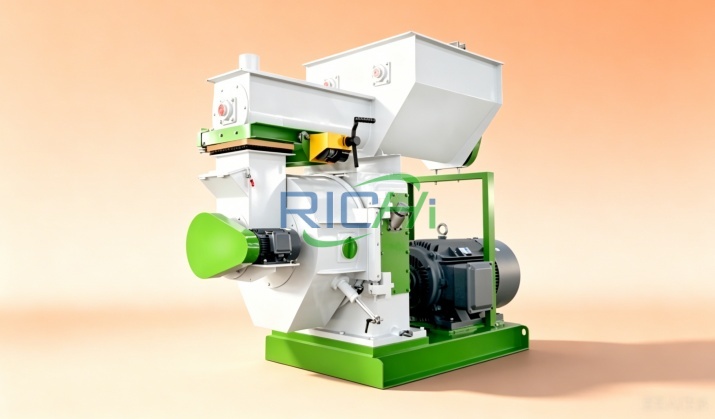
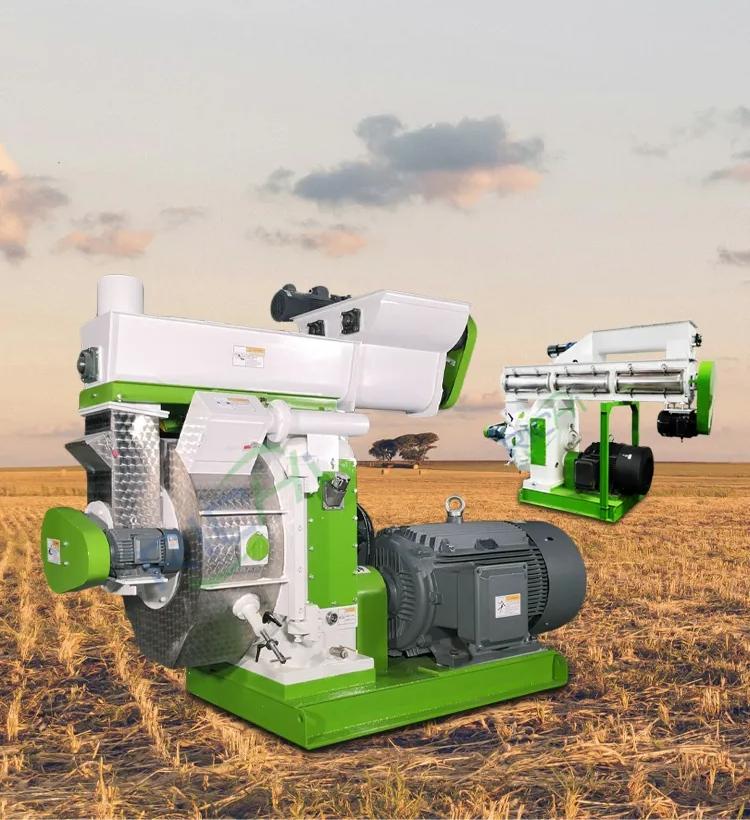
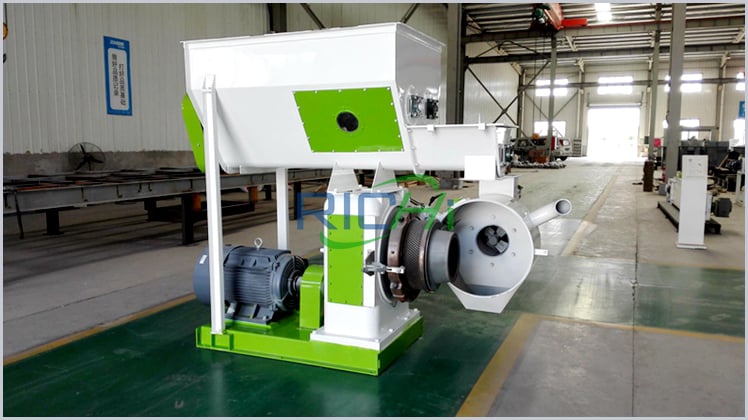
More companies are now investing in Bamboo Biomass Pellet Machine systems to produce high-quality biomass pellets for industrial boilers, heating systems, and power generation facilities. At the same time, agricultural by-products such as bagasse are also becoming valuable resources in the biomass energy industry. A growing number of factories are combining bamboo and sugarcane waste processing to maximize production efficiency and profitability.
The rising interest in biomass energy has created strong demand for reliable pellet manufacturing solutions. Modern factories rely on advanced equipment such as 5 ton bagasse pellet plant systems to achieve stable production capacity while maintaining pellet quality. These projects are helping industries reduce carbon emissions and transform agricultural waste into profitable fuel products.
In addition to production technology, investors also need dependable suppliers capable of designing customized pellet plants. Companies searching for long-term solutions often compare different types of equipment, including pellet machine for sale options designed for biomass processing. Choosing the right supplier directly affects operational stability, maintenance costs, and long-term production efficiency.
When researching biomass pellet technologies online, many buyers look for technical resources and operational case studies through links such as blog here to understand how modern pellet factories operate. Access to real project information helps investors reduce risks and better evaluate equipment performance before purchasing.
Why Bamboo Is Becoming a Preferred Biomass Material
Bamboo offers several advantages compared with traditional biomass materials like wood chips or straw. One of the most important benefits is its rapid growth speed. Some bamboo species can mature within three to five years, making bamboo a highly renewable biomass resource.
Another advantage is bamboo’s high density and strong fiber structure. These characteristics allow pellet manufacturers to produce dense biomass pellets with excellent combustion efficiency. The resulting pellets generate stable heat output and lower ash content, making them suitable for industrial applications.
Bamboo also grows in a wide range of climates, especially in Asia, Africa, and South America. This broad availability reduces transportation costs and supports local biomass industries. Countries with abundant bamboo resources are increasingly building pellet production plants to support domestic energy projects and export markets.
Modern pellet factories often combine bamboo processing with agricultural waste recycling. Sugarcane bagasse, rice husk, sawdust, and bamboo powder can all be processed into biomass fuel pellets using advanced pellet machinery. This flexible production model allows investors to adapt to local raw material availability.
The Role Of Modern Bamboo Pellet Production Technology
Efficient pellet production depends heavily on equipment quality and plant design. Modern biomass factories typically include crushing systems, drying systems, pelletizing machines, cooling systems, screening units, and packaging equipment.
A professional Bamboo Pellet Production Machine line can process various bamboo materials including bamboo chips, bamboo dust, bamboo powder, and bamboo branches. These systems are designed to maintain stable output while minimizing power consumption.
Raw material preparation is one of the most important stages in pellet manufacturing. Bamboo must first be crushed into small particles before drying. Moisture content generally needs to remain between 10% and 15% to ensure good pellet formation.
After drying, the material enters the pellet mill where pressure and friction compress the biomass into cylindrical pellets. Advanced ring die pellet mills provide high-density pellets with smooth surfaces and excellent durability.
Many factories now combine bamboo pellet production with bagasse pellet processing to improve equipment utilization rates. Systems such as 2-3 t/h bagasse pellet production line projects allow manufacturers to process multiple raw materials throughout the year depending on seasonal supply.
This flexibility significantly improves profitability because factories can continue production even when one raw material becomes temporarily unavailable.
Environmental Benefits Of Bamboo Pellet Manufacturing
Biomass pellets produced from bamboo and bagasse offer major environmental advantages compared with fossil fuels. First, biomass pellets are considered carbon-neutral because the carbon dioxide released during combustion is partially offset by plant growth.
Second, biomass pellet production reduces agricultural waste disposal problems. Instead of burning bamboo waste or sugarcane bagasse in open fields, these materials can be converted into valuable fuel products.
Third, biomass pellets reduce dependence on coal and other non-renewable energy sources. Many industrial facilities are now switching from coal-fired boilers to biomass systems to comply with environmental regulations.
In some regions, governments are offering financial incentives for renewable energy projects. This support encourages factories to invest in advanced pellet manufacturing systems and expand biomass fuel production capacity.
Market Demand For Biomass Pellets Continues To Increase
The global biomass pellet market has grown rapidly over the last decade. Europe remains one of the largest consumers of biomass pellets due to strict carbon reduction policies. Asian countries are also increasing biomass energy investments to improve energy security and reduce fossil fuel imports.
Industrial boilers, district heating systems, and biomass power plants are major consumers of biomass pellets. In addition, commercial users such as hotels, greenhouses, and food processing factories are adopting biomass heating systems.
This growing market demand creates opportunities for pellet manufacturers worldwide. Investors who establish reliable pellet production plants can benefit from stable long-term demand.
Large-scale production facilities often require high-capacity equipment capable of continuous operation. Many factories choose industrial-grade solutions like large scale bagasse pellet mill systems to achieve higher productivity and lower labor costs.
Equipment automation has also become increasingly important. Automated control systems help operators monitor temperature, moisture, and production parameters in real time. This improves pellet consistency and reduces equipment wear.
How To Improve Pellet Quality And Production Efficiency
Pellet quality directly affects market competitiveness. Buyers typically evaluate pellet density, moisture content, ash content, durability, and calorific value.
Several factors influence pellet quality during production. These include raw material preparation, moisture control, die compression ratio, and cooling efficiency.
Using high-quality machinery significantly improves production stability. Advanced pellet mills maintain consistent pressure during pellet formation, reducing fines and increasing pellet durability.
Regular maintenance also plays a key role in production efficiency. Operators should inspect dies, rollers, bearings, and lubrication systems to prevent downtime.
Another important factor is operator training. Skilled technicians can quickly identify production issues and optimize machine performance.
Reliable equipment suppliers often provide installation support, commissioning services, and technical training to help customers achieve successful plant operation.
Investment Opportunities In Biomass Pellet Plants
The biomass pellet industry offers attractive investment opportunities due to growing renewable energy demand. Investors can establish small-scale pellet plants for local heating markets or large industrial facilities for export-oriented production.
Small factories often begin with compact production systems before expanding capacity. Equipment such as 1 ton/hour bagasse pellet machine models are suitable for startup projects with limited budgets.
As production demand increases, manufacturers can gradually upgrade to larger systems with automated feeding, drying, and packaging equipment.
Several factors affect investment returns, including raw material availability, electricity costs, labor expenses, transportation infrastructure, and local fuel demand.
Factories located near bamboo forests or sugar mills typically enjoy lower raw material transportation costs. This improves operational profitability and shortens investment payback periods.
Future Trends In Bamboo Pellet Manufacturing
The future of biomass energy appears increasingly promising as countries continue focusing on carbon reduction goals. Bamboo pellet manufacturing is expected to expand significantly due to bamboo’s sustainability and high energy value.
New pellet technologies are also improving production efficiency. Advanced drying systems, intelligent automation, and energy-saving pellet mills are helping manufacturers reduce operational costs.
Research into mixed biomass pellets is another growing trend. Some factories combine bamboo with agricultural waste materials to optimize combustion performance and reduce raw material costs.
International trade opportunities are also increasing. Countries with abundant biomass resources can export pellets to regions with strong renewable energy demand.
Many investors continue searching online for reliable biomass processing solutions through resources like a knockout post to compare equipment suppliers and project designs.
Related Post: https://pelletizerequipment.com/biomass-pellet-machine/