



Grass is one of the most important natural feed resources for livestock production. It provides essential nutrients such as fiber, protein, minerals, and energy that support animal growth and health. For centuries, farmers have relied on fresh grass and hay as basic feed sources for cattle, sheep, goats, horses, and other animals. However, traditional grass feeding methods have several limitations, including seasonal availability, storage difficulties, nutrient losses, and inefficient transportation.
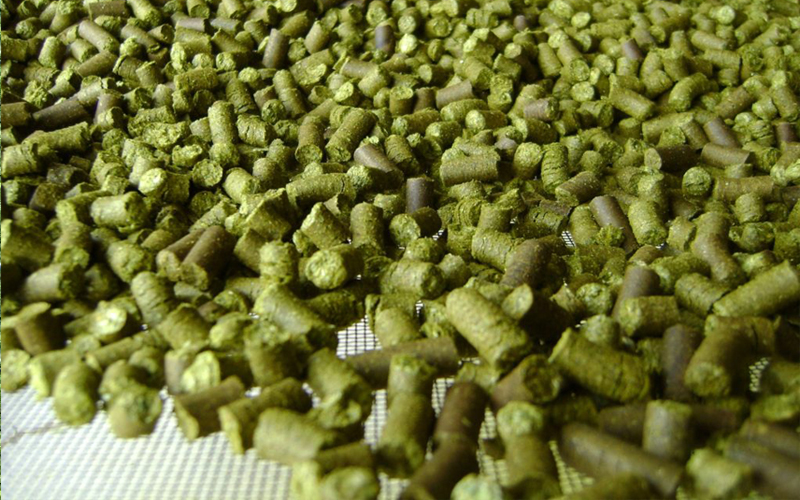
With the development of modern animal husbandry, grass pellet production has become an effective solution for improving forage utilization. By processing grass into compact pellets, farmers and feed manufacturers can create a stable, high-quality, and easy-to-manage livestock feed product. Grass pellets are not only convenient to store and transport but also improve feed efficiency by ensuring animals receive more balanced nutrition.
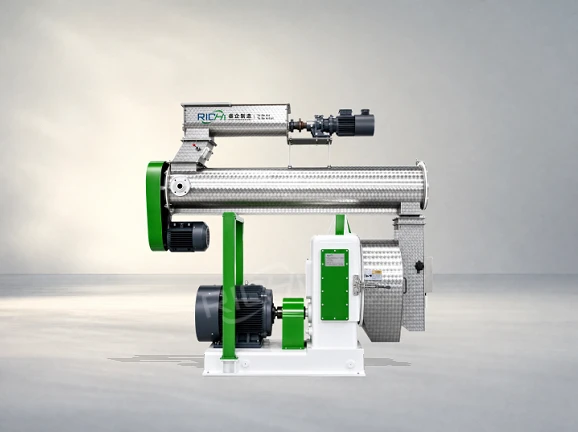
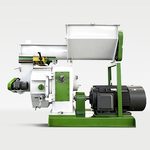
The grass pellet production process involves multiple stages, including raw material preparation, drying, crushing, mixing, pelletizing, cooling, screening, and packaging. Among these steps, pelletizing is the most important stage because it determines the final quality, density, and durability of the feed pellets. A modern grass pellet machine plays a central role in this process by compressing processed grass materials into uniform pellets through mechanical pressure.
Understanding the complete grass pellet production process helps farmers, feed producers, and investors establish efficient production systems and maximize the value of forage resources.
1. Selection and Preparation of Grass Raw Materials
The first step in grass pellet production is selecting suitable grass materials. The quality of raw materials directly affects the nutritional value, production efficiency, and final quality of grass pellets.
Common grass materials used for pellet production include:
- Alfalfa
- Timothy grass
- Ryegrass
- Sudan grass
- Elephant grass
- Pasture grass
- Dried hay
- Agricultural forage residues
https://richipelletizer.com/alfalfa-pellet-machine
Different types of grass have different nutritional characteristics. For example, alfalfa is widely used because of its high protein content, while other grasses may provide better fiber characteristics for ruminant animals.
High-quality grass materials should have:
- Good nutritional value
- Low contamination levels
- Proper moisture content
- Suitable fiber structure
- No mold or decay
Grass containing soil, stones, plastic, or other impurities should be cleaned before entering the production process. Clean raw materials protect equipment and help produce safe animal feed.
The availability of local grass resources is also an important factor when planning a grass pellet production project. Areas with abundant pasture or forage production are often ideal locations for establishing pellet plants.
2. Grass Harvesting and Drying
After grass is collected, moisture adjustment is necessary before pellet production. Fresh grass usually contains a high amount of water, which makes it unsuitable for direct pelletizing.
Excessive moisture can cause:
- Poor pellet formation
- Reduced pellet durability
- Increased energy consumption
- Mold growth during storage
Therefore, grass is usually dried naturally or mechanically before processing.
Natural Drying
Small farms often use sunlight drying methods. Fresh grass is spread in open areas and dried until moisture reaches a suitable level.
Advantages include:
- Low cost
- Simple operation
- No additional energy consumption
However, natural drying depends heavily on weather conditions and requires large drying areas.
Mechanical Drying
Large-scale grass pellet plants often use mechanical dryers to achieve stable moisture control.
Mechanical drying provides:
- Faster processing speed
- Stable moisture levels
- Year-round production capability
The ideal moisture content for grass pellet production is usually around 10%–15%, although the exact requirement depends on grass type and equipment conditions.
Proper drying improves pellet quality and ensures smooth operation of the pelletizing system.
3. Grass Crushing and Size Reduction
After drying, grass materials usually need to be crushed into smaller particles before pelletizing.
Although dried grass already has a loose structure, crushing improves processing performance by creating a more uniform material.
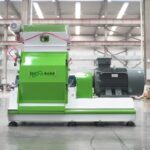
A grass crusher or hammer mill is commonly used for this stage.
The crushing process provides several benefits:
Improved Material Uniformity
Smaller particles mix more evenly and form stronger pellets.
Better Compression Performance
Fine grass particles have better contact during pellet formation.
Improved Nutrient Distribution
Grinding allows different parts of the grass plant to be evenly incorporated into pellets.
Reduced Pellet Breakage
Uniform particle size improves pellet strength.
The required particle size depends on the type of grass and the design of the pellet machine. Excessively large particles may create weak pellets, while excessively fine particles may increase energy consumption.
4. Mixing and Formula Adjustment
For many grass pellet production projects, mixing is an important step before pelletizing.
Pure grass pellets can meet the nutritional needs of many livestock animals, but some producers combine grass with other feed ingredients to create balanced feed products.
Possible additional ingredients include:
- Corn
- Soybean meal
- Wheat bran
- Mineral additives
- Vitamin supplements
- Other forage materials
The purpose of mixing is to create a balanced feed formula with suitable nutritional characteristics.
A well-designed feed formula can improve:
- Animal growth performance
- Feed conversion rate
- Milk production
- Meat production
A mixer ensures that all ingredients are evenly distributed before entering the pellet production stage.
Uniform mixing is especially important for commercial feed manufacturers producing standardized products.
5. Pelletizing Process
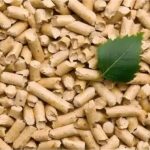
Pelletizing is the core stage of grass pellet production. During this process, loose grass particles are compressed into dense cylindrical pellets.
The main equipment used is the grass pellet machine. This machine uses mechanical pressure generated between rollers and dies to force grass materials through small die holes.
The pelletizing process generally includes:
- Prepared grass material enters the pellet machine.
- Rollers press the material against the die.
- High pressure compresses the particles.
- Pellets are formed as materials pass through die holes.
- A cutting system adjusts pellet length.
During compression, natural components in grass help bind particles together. The pressure and friction generated during pelletizing improve pellet density and durability.
A high-quality grass pellet machine provides:
- Stable production capacity
- Uniform pellet size
- Strong pellet structure
- Lower energy consumption
- Reliable long-term operation
The performance of the pellet machine directly influences the final feed quality.
6. Factors Affecting Grass Pellet Quality
Several factors determine the quality of grass pellets.
Raw Material Quality
Clean and nutritious grass produces better feed pellets.
Moisture Content
Suitable moisture improves bonding between particles.
Particle Size
Uniform particle size improves pellet density.
Compression Pressure
Proper pressure creates strong and durable pellets.
Die Design
The die hole size and compression ratio affect pellet appearance and hardness.
Machine Condition
Regular maintenance ensures stable pellet production.
By controlling these factors, manufacturers can produce grass pellets with excellent nutritional and physical characteristics.
7. Cooling Process After Pelletizing
Fresh grass pellets leaving the pellet machine are usually hot because of friction during compression. They are also softer than finished pellets.
Cooling is necessary to stabilize the pellets before storage and packaging.
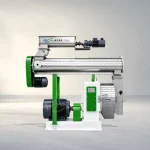
A pellet cooler reduces temperature and removes excess moisture through airflow.
The cooling process helps:
- Increase pellet hardness
- Improve durability
- Prevent deformation
- Extend storage life
Without proper cooling, pellets may become fragile and produce excessive dust during transportation.
For commercial grass pellet plants, efficient cooling equipment is essential for maintaining product quality.
8. Screening and Quality Control
After cooling, grass pellets pass through screening equipment to remove unqualified products.
The screening process separates:
- Complete pellets
- Broken pellets
- Fine powder
High-quality pellets should have:
- Uniform size
- Low dust content
- Strong durability
- Stable moisture content
Broken pellets and powder can usually be recycled back into the production process, reducing material waste.
Quality control inspections may include:
Moisture Testing
Ensures pellets remain stable during storage.
Durability Testing
Measures resistance to breakage.
Density Testing
Evaluates storage and transportation efficiency.
Nutritional Analysis
Determines protein, fiber, and energy content.
Regular quality control helps producers maintain consistent feed standards.
9. Packaging and Storage of Grass Pellets
The final stage of grass pellet production is packaging and storage.
After screening, qualified pellets are transported to packaging equipment.
Common packaging methods include:
- Small bags for farm use
- Large bags for commercial distribution
- Bulk storage systems for large livestock operations
Proper packaging protects pellets from:
- Moisture absorption
- Contamination
- Physical damage
Storage conditions are also important. Grass pellets should be kept in:
- Dry warehouses
- Well-ventilated areas
- Moisture-protected environments
Good storage management ensures that feed maintains its nutritional value over long periods.
10. Complete Equipment for Grass Pellet Production Line
A complete alfalfa pellet production line includes multiple machines working together.
Typical equipment includes:
- Grass cutting equipment
- Dryer
- Crusher
- Mixer
- Grass pellet machine
- Cooler
- Screening machine
- Packaging machine
- Conveyor system
The equipment configuration depends on:
- Raw material characteristics
- Production capacity
- Investment budget
- Target market
Small farms may require a simple pellet production system, while commercial feed manufacturers need a fully automated production line.
Professional equipment suppliers can design customized solutions according to customer requirements.
11. Advantages of Producing Grass Pellets
Grass pellet production offers many benefits for livestock producers.
Improved Feed Storage
Pellets take up less space compared with loose grass and hay.
Reduced Feed Waste
Animals consume pellets more completely, reducing leftovers.
Better Transportation Efficiency
Higher density lowers transportation costs.
Stable Feed Supply
Pellets can be produced during grass harvesting seasons and stored for later use.
Improved Feeding Management
Uniform pellets are easier to handle and distribute.
These advantages make grass pellets increasingly popular in modern livestock farming.
12. Applications of Grass Pellets in Livestock Farming
Grass pellets are suitable for many livestock species.
Cattle
Grass pellets provide essential fiber for rumen function and digestion.
Sheep and Goats
Pelletized forage improves nutrient intake and reduces selective feeding.
Horses
Grass pellets provide a convenient alternative to traditional hay.
Rabbits
Processed grass pellets support balanced daily nutrition.
Different pellet formulas can be developed according to animal species and production goals.
13. How Grass Pellet Production Supports Sustainable Agriculture
Grass pellet production contributes to sustainable agricultural development in several ways.
Efficient Use of Forage Resources
Pelletizing increases the value of locally available grass resources.
Reduced Feed Waste
More nutrients are utilized by animals.
Lower Transportation Impact
Dense pellets require fewer transportation resources.
Support for Circular Agriculture
Grass production and livestock farming can form a more efficient resource cycle.
By improving feed efficiency, grass pellet production helps farmers achieve higher productivity while reducing resource waste.
14. Future Development of Grass Pellet Production
The demand for efficient livestock feed solutions is expected to continue growing.
Future trends include:
- Automated pellet production systems
- Advanced feed formulas
- Energy-saving equipment
- Improved pellet quality control
- Greater use of local forage resources
Technology improvements will make grass pellet production more efficient and accessible for farms of different sizes.
Modern pellet equipment, especially advanced grass pellet machines, will continue helping producers create high-quality feed products with lower production costs.
Conclusion
The grass pellet production process transforms natural forage materials into efficient and valuable livestock feed products through a series of steps, including drying, crushing, mixing, pelletizing, cooling, screening, and packaging.
Each stage plays an important role in determining pellet quality, nutritional value, and production efficiency. Among all equipment, the grass pellet machine is the key component that converts processed grass into compact and durable feed pellets.
By improving nutrient utilization, reducing feed waste, simplifying storage, and supporting sustainable livestock production, grass pellets provide an effective solution for modern animal farming. As the global livestock industry continues to focus on efficiency and sustainability, grass pellet production will become increasingly important for creating reliable and high-quality animal feed supplies.