

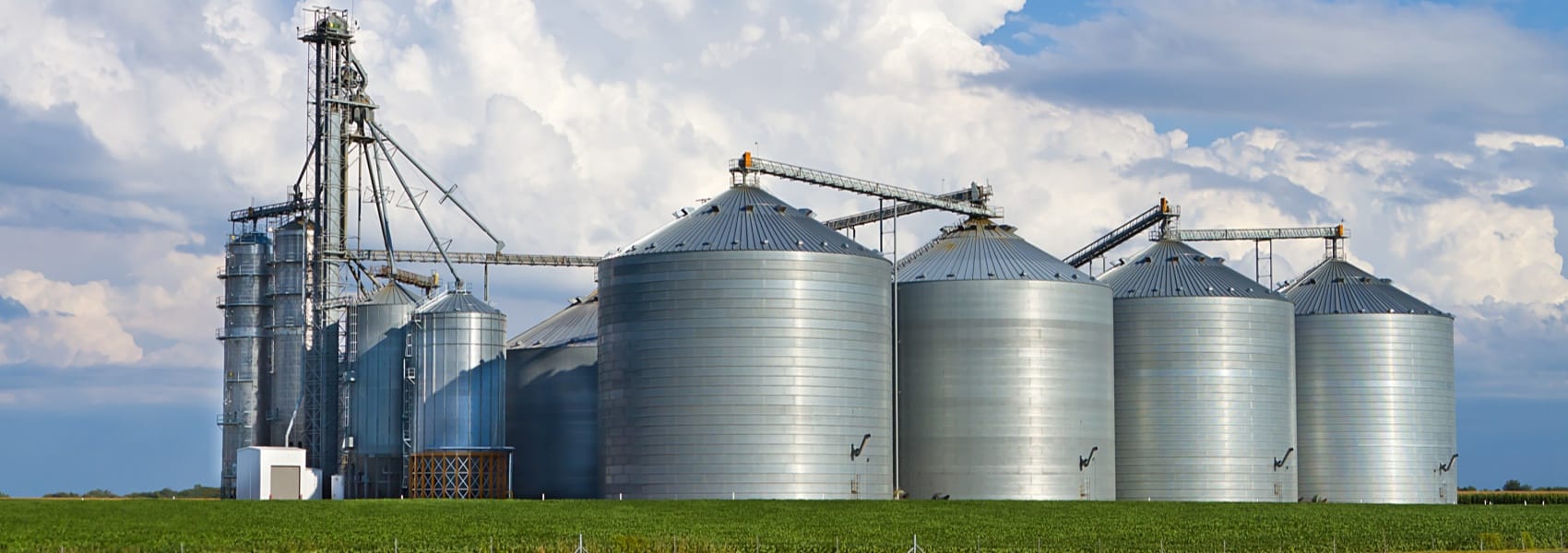
Growing Demand for Professional Feed Solutions in Ethiopia
Agriculture has always played a central role in Ethiopia’s economy, with livestock farming representing one of the most important sectors. Millions of rural households depend on cattle, sheep, goats, poultry, and other animals for income, food supply, and agricultural activities. With population growth, urbanization, and increasing demand for animal protein, traditional livestock farming methods are gradually facing new challenges.
One of the biggest challenges is the availability of high-quality animal feed. In many developing agricultural regions, farmers still rely on natural grazing or simple feed mixing methods. Although these approaches can support small-scale farming, they often cannot meet the nutritional requirements of modern commercial livestock production.
Commercial farms require balanced feed with stable quality, appropriate nutrition levels, and consistent supply. This has encouraged many investors and agricultural companies to explore professional feed processing solutions. By adopting modern production technologies, Ethiopia can improve livestock productivity while reducing dependence on imported feed products.
A complete feed manufacturing system allows different raw materials such as grains, oilseed meals, agricultural by-products, and minerals to be processed into uniform feed products. This transformation creates opportunities for farmers and entrepreneurs who want to develop large-scale livestock operations.
The Role of Feed Processing Technology in Agricultural Development
Animal nutrition directly influences livestock growth, reproduction, disease resistance, and production efficiency. Poor-quality feed can lead to slow growth rates, increased farming costs, and unstable animal performance. Therefore, improving feed production has become an important part of agricultural modernization.
Modern feed processing technology helps convert locally available agricultural resources into valuable feed products. Ethiopia has abundant agricultural materials, including maize, wheat bran, sorghum, oilseed residues, and various crop by-products. These materials can become important ingredients for commercial animal feed after proper processing.
A professional production system normally includes several stages:
- Raw material cleaning
- Crushing and size reduction
- Ingredient mixing
- Pelletizing
- Cooling
- Screening
- Packaging
Each stage contributes to improving final feed quality. For example, crushing ensures that raw materials have suitable particle sizes, while mixing guarantees that nutrients are evenly distributed throughout the feed.
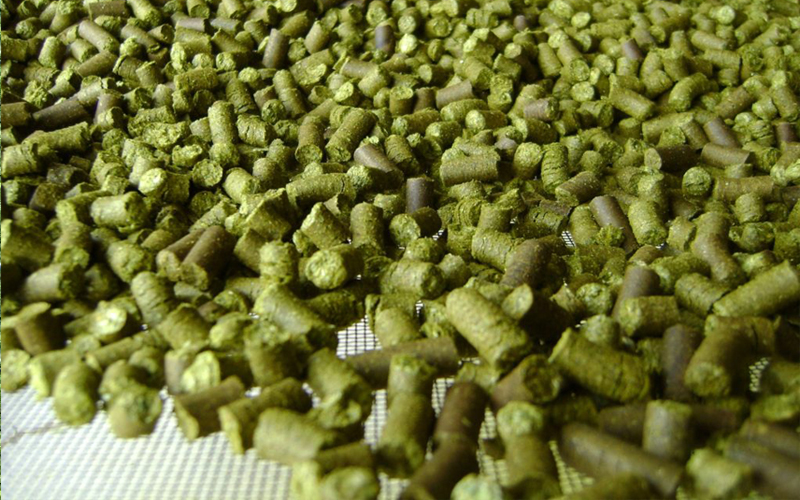
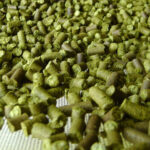
Pellet production is especially popular because it improves feed storage, transportation, and animal consumption efficiency. Compared with loose powder feed, pellets reduce material waste and provide better handling characteristics.
For companies planning to establish commercial feed factories, selecting suitable equipment is one of the most important decisions. The right solution depends on production capacity, available raw materials, animal types, and future expansion plans.
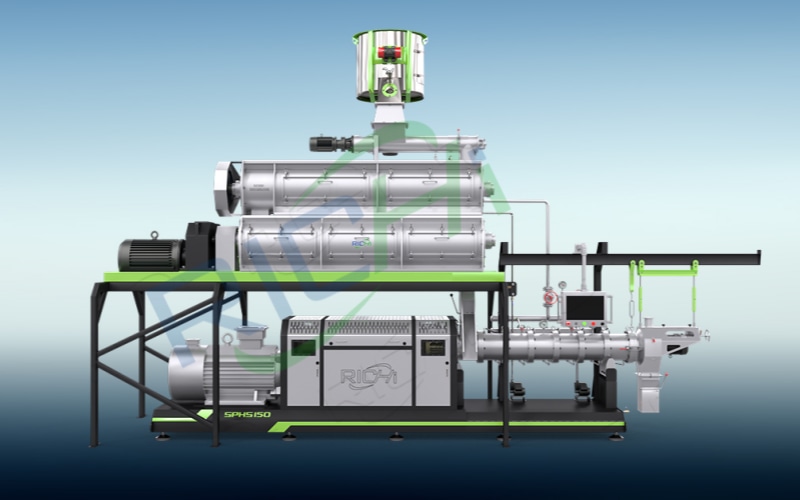
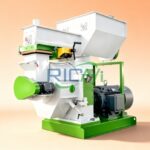
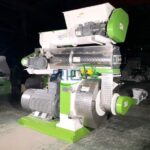
A professional animal feed processing machine in Ethiopia can help local agricultural businesses create reliable feed production systems that support poultry farms, livestock farms, and feed supply companies.
Ethiopia’s Agricultural Resources Provide Strong Potential
Ethiopia has favorable conditions for developing a local feed manufacturing industry. The country has extensive farmland and a large livestock population, creating strong demand for affordable and nutritious feed products.
Common feed ingredients available in Ethiopia include:
Cereal Crops
Maize, wheat, barley, and sorghum are widely cultivated. These crops provide important energy sources for livestock diets.
Oilseed By-products
After oil extraction, materials such as sunflower meal and other residues can become valuable protein sources.
Agricultural Waste Materials
Crop residues that were previously considered waste can be processed into useful feed ingredients. Proper utilization of these resources can reduce environmental pressure while creating additional economic value.
Animal Production Expansion
The growth of poultry farms and commercial livestock operations has increased demand for standardized feed. Small farms are gradually transitioning toward more efficient feeding systems, while larger companies require continuous feed supply.
This market development creates opportunities for investors interested in building feed factories near agricultural production areas.
Choosing Equipment Based on Farm Requirements
When developing a feed production project, there is no universal solution suitable for every business. Different farms have different requirements depending on their production goals.
Small livestock farms may only need compact equipment with limited output capacity. These systems are easier to operate and require lower initial investment.
Medium-sized agricultural businesses usually need more stable production capacity to supply their own farms or local customers. They often choose complete processing systems with crushing, mixing, pelletizing, and packaging functions.
Large commercial feed companies require automated production lines capable of continuous operation. These projects focus on production efficiency, energy consumption, labor reduction, and long-term reliability.
Raw materials also influence equipment selection. Different materials have different processing characteristics. For example, fibrous materials may require stronger crushing systems, while high-moisture materials may need additional conditioning processes.
A suitable machine configuration should consider:
- Expected production capacity
- Available electricity supply
- Raw material characteristics
- Labor conditions
- Maintenance requirements
- Future expansion possibilities
Different Pellet Applications Create New Business Opportunities
Although livestock feed remains one of the largest applications, pellet processing technology has expanded into many other industries.
Agricultural waste and biomass materials can also be converted into valuable products. For example, crop residues, sawdust, and other renewable resources can become fuel pellets used for heating and energy generation.
Different industries require different processing approaches. Feed pellets focus on nutritional balance and animal consumption, while biomass pellets focus on combustion efficiency and physical durability.
Some companies explore specialized production areas such as bagasse pellet mill solutions to process sugar industry residues into renewable fuel products.
This diversification allows agricultural businesses to create additional revenue streams. Instead of relying only on traditional farming activities, companies can utilize available resources to develop new processing industries.
Improving Efficiency Through Modern Pellet Technology
Modern pellet production equipment has developed significantly in recent years. Manufacturers now focus on improving energy efficiency, automation levels, and production stability.
Advanced systems may include:
- Automatic feeding control
- Digital monitoring systems
- Energy-saving motors
- Improved compression technology
- Efficient cooling and screening equipment
These improvements reduce production costs and help operators maintain consistent product quality.
A reliable production system also reduces maintenance problems. For businesses operating in regions where technical support may be limited, choosing equipment with accessible spare parts and professional service support is extremely important.
Companies with international experience can provide complete solutions, from factory design and equipment manufacturing to installation guidance and operator training.
For investors comparing different equipment suppliers, researching technical capabilities and project experience is essential. A trusted pellet plant provider can offer customized solutions based on local conditions rather than providing standard equipment only.
Economic Benefits of Developing Local Feed Production
Building local feed production capacity can create multiple economic advantages.
First, it reduces dependence on imported feed products. Local production allows farmers to access more affordable feed while improving supply stability.
Second, it creates employment opportunities. Feed factories require operators, technicians, logistics workers, and management personnel.
Third, it improves the agricultural value chain. Farmers producing grains and agricultural residues can gain additional markets for their products.
Fourth, it supports livestock industry development. Better feed availability enables farmers to increase productivity and improve profitability.
The development of feed manufacturing is therefore not only an equipment investment but also an important step toward agricultural modernization.
Future Outlook for Ethiopia’s Feed Industry
The future of Ethiopia’s livestock sector depends on improving production efficiency and adopting modern technologies. As commercial farming continues to expand, demand for professional feed production solutions is expected to increase.
Future feed factories will likely focus on:
- Higher automation
- Better resource utilization
- Lower energy consumption
- Improved product quality
- Sustainable agricultural practices
Digital technologies may also become more common, helping factory operators monitor production performance and optimize operations.
For companies planning agricultural investments, understanding market trends and selecting suitable technology will be essential.
More detailed industry discussions and technical information can be found through professional resources and industry explanation materials.
Conclusion
Ethiopia has significant potential to develop a stronger livestock and feed manufacturing industry. Abundant agricultural resources, increasing demand for animal products, and improvements in processing technology are creating new opportunities for farmers and investors.
Modern feed production equipment allows businesses to transform local materials into high-value products while improving livestock productivity and reducing production challenges.
As the agricultural sector continues to evolve, efficient feed processing will become an important foundation supporting sustainable livestock development throughout Ethiopia.
Related Post: https://pelletizerequipment.com/livestock-feed-pellet-machine/