


Around the world, industries are searching for cleaner and more sustainable energy sources. Traditional fossil fuels such as coal and natural gas continue facing environmental criticism because of rising carbon emissions and pollution concerns. At the same time, agricultural regions generate enormous amounts of straw waste every year.
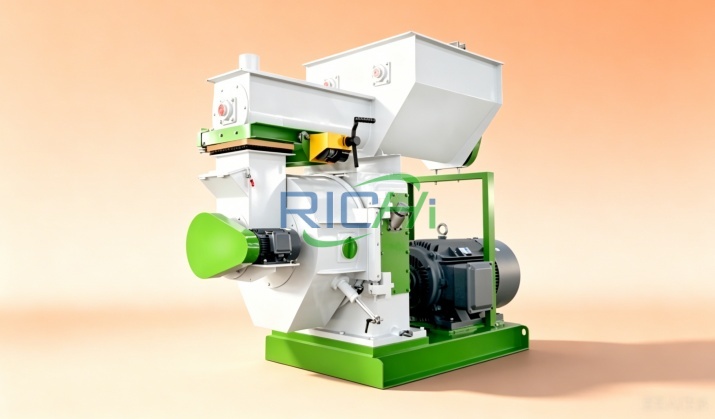
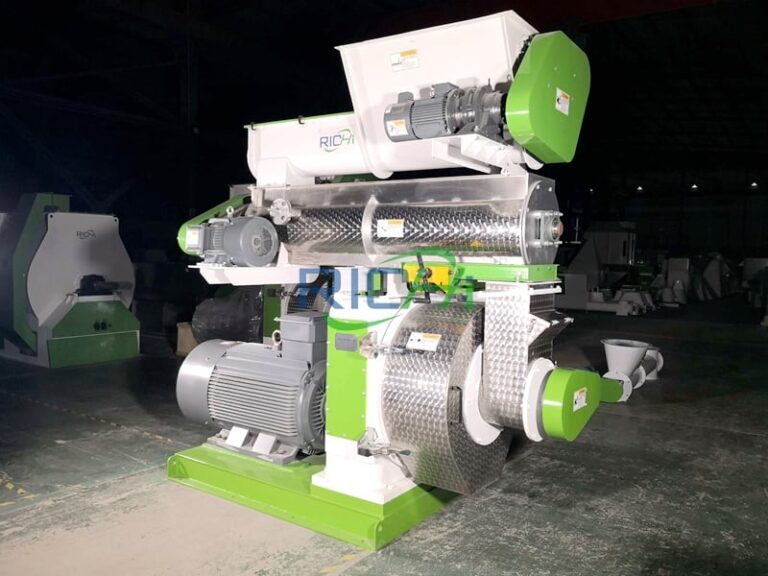
Instead of burning or discarding these materials, modern biomass technology allows agricultural residues to become valuable renewable fuel products. This shift has dramatically increased demand for the straw pellet mill for sale.
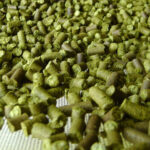
By converting loose straw into dense fuel pellets, biomass manufacturers create products suitable for industrial heating systems, biomass boilers, and renewable power generation projects.
Why Straw Biomass Has Huge Commercial Potential
Agricultural straw is one of the most abundant renewable resources available globally.
Major raw materials include:
- Wheat straw
- Rice straw
- Corn stalks
- Soybean straw
- Barley straw
Because these materials are generated annually, they provide a stable long-term biomass supply for pellet production.
Lower Raw Material Costs
Compared with wood processing waste, agricultural straw is often cheaper and easier to source in farming regions.
Strong Industrial Fuel Demand
Factories increasingly adopt biomass fuel to meet environmental regulations.
Expanding Renewable Energy Markets
International biomass demand continues growing as governments encourage clean energy adoption.
These factors create strong investment opportunities in biomass pellet manufacturing.
How Straw Pelletizing Technology Works
Modern pellet production systems combine several technologies to ensure stable operation and high pellet quality.
Crushing Systems
Large straw materials are processed into smaller particles suitable for pelletizing.
Drying Equipment
Moisture control is essential for efficient compression and stable pellet formation.
Compression Process
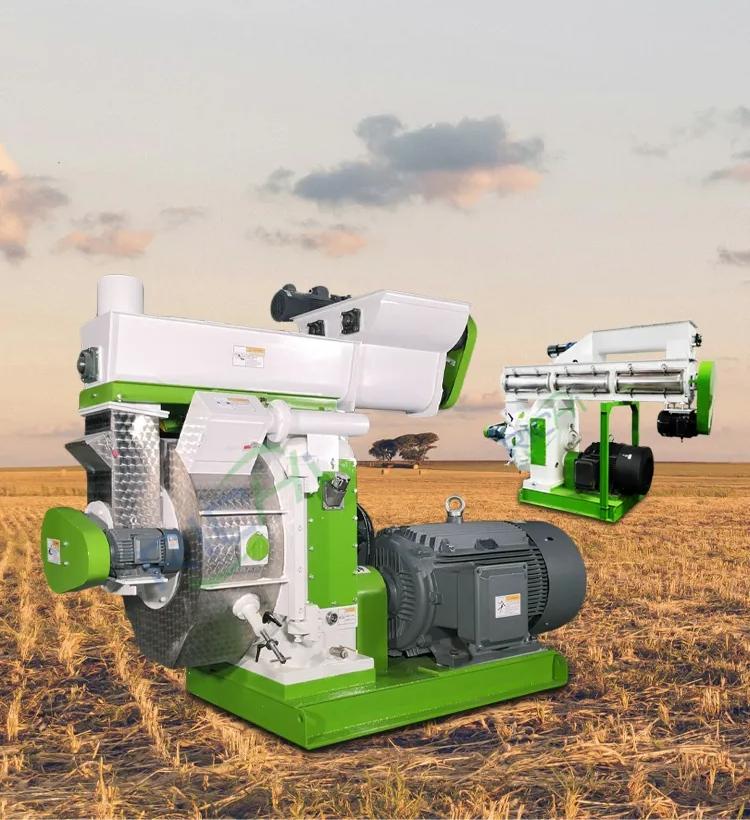
The pellet mill compresses biomass through ring dies under high pressure.
Cooling Systems
Cooling stabilizes pellet structure and improves durability.
Packaging Systems
Finished pellets are prepared for industrial transportation or export markets.
A modern commercial straw pellet plant for sale typically integrates automation technologies to improve efficiency and reduce operational risks.
Why Industries Are Switching to Biomass Pellets
Biomass fuel offers several important advantages compared with traditional fossil fuels.
Reduced Carbon Emissions
Biomass pellets help industries lower greenhouse gas output.
Renewable Resource Utilization
Agricultural residues become useful industrial fuel instead of waste.
Improved Energy Security
Biomass fuel reduces dependence on imported fossil energy.
Easier Fuel Handling
Pellets are easier to transport and store than loose straw.
Stable Combustion Performance
Uniform pellet size improves fuel efficiency.
These benefits continue increasing industrial demand for biomass fuel worldwide.
Important Considerations Before Building a Pellet Plant
Investors should evaluate several key factors before starting a biomass project.
Raw Material Availability
Long-term feedstock supply is critical for profitability.
Production Capacity
Equipment size should match local market demand.
Energy Consumption
Efficient systems lower operating costs.
Automation Level
Modern automation improves operational stability.
Technical Support
Reliable after-sales service reduces downtime risks.
Many investors researching renewable energy systems compare different pellet press technologies before making final purchasing decisions.
Common Challenges in Straw Pellet Production
Although biomass fuel manufacturing offers strong opportunities, producers must manage several operational challenges.
Moisture Fluctuation
Improper moisture levels reduce pellet quality.
Dust Generation
Proper ventilation systems are essential for safe operation.
Equipment Wear
Continuous production requires durable components.
Feedstock Variability
Different straw materials may affect pellet density and combustion performance.
Professional plant design and experienced operators help reduce these risks.
(Related Post: https://www.richipelletmill.com/hay-pellet-machine-for-sale/)
Why Automation Is Transforming Biomass Manufacturing
Automation is becoming increasingly important in modern pellet plants.
Advanced systems can monitor:
- Production output
- Motor load
- Pellet temperature
- Moisture content
- Equipment performance
Automation improves consistency while lowering labor requirements.
Many biomass investors exploring automation technologies often read technical blog here resources and project case studies to compare equipment performance.
Global Markets Driving Pellet Demand
Europe
Renewable heating policies continue increasing pellet imports.
Asia
Rapid industrialization creates strong biomass fuel demand.
Africa
Biomass projects help reduce dependence on traditional firewood.
South America
Agricultural economies generate abundant biomass resources.
International demand continues creating strong opportunities for pellet manufacturers worldwide.
Future Development of Biomass Pellet Technology
Future pellet plants are expected to focus heavily on:
- Smarter automation
- Lower energy consumption
- Better environmental performance
- Improved wear resistance
- AI-assisted monitoring systems
These innovations will further improve production efficiency and long-term profitability.
Conclusion
Straw pellet production is becoming an important part of the global renewable energy transition. By transforming agricultural waste into valuable biomass fuel, pellet manufacturers support cleaner industrial heating systems while creating new economic opportunities for agricultural regions.
As biomass demand continues expanding worldwide, businesses investing in advanced pelletizing technology and efficient production systems are likely to benefit from long-term industry growth.