

The growing demand for renewable energy has significantly increased the popularity of biomass pellets worldwide. Biomass pellets are compact, high-density fuel products made from organic materials such as wood waste, agricultural residues, and forestry by-products. They are widely used in residential heating, industrial boilers, power plants, and combined heat and power systems because of their high combustion efficiency and environmental benefits.
As countries seek sustainable alternatives to fossil fuels, biomass pellet manufacturing has become a rapidly expanding industry. Understanding the biomass pellet manufacturing process is essential for investors, plant operators, and businesses looking to enter the renewable energy market. This article provides a detailed overview of each stage involved in biomass pellet production, from raw material preparation to final packaging.
What Are Biomass Pellets?
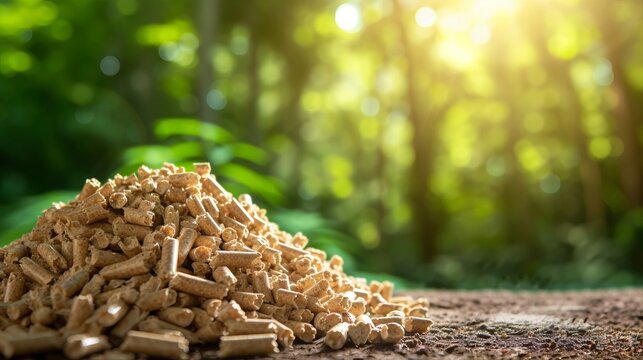
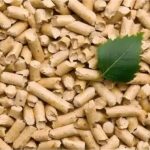
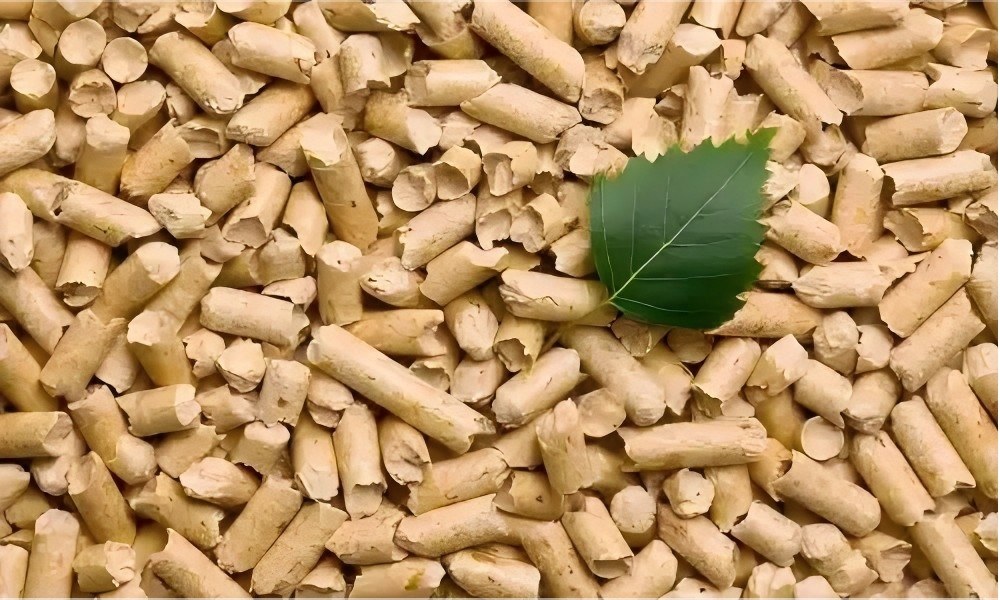
Biomass pellets are cylindrical fuel products typically ranging from 6 mm to 12 mm in diameter. They are produced by compressing biomass materials under high pressure through a pellet mill.
Common raw materials include:
- Sawdust
- Wood chips
- Wood shavings
- Rice husks
- Wheat straw
- Corn stalks
- Bagasse
- Palm fiber
- Coconut shells
- Forestry residues
The pelletizing process transforms loose biomass into dense fuel with consistent size, low moisture content, and high energy density.
Why Biomass Pellet Production Is Important
Biomass pellet manufacturing plays a crucial role in renewable energy development for several reasons:
Renewable Energy Source
Biomass materials are continuously replenished through agriculture and forestry activities.
Waste Utilization
The process converts agricultural and forestry waste into valuable fuel products.
Carbon Emission Reduction
Biomass pellets can help reduce dependence on fossil fuels and lower greenhouse gas emissions.
Economic Opportunities
Pellet production creates employment and generates additional income from biomass resources that would otherwise be discarded.
As global energy demand continues to rise, biomass pellets are becoming an increasingly important component of sustainable energy systems.
Overview of the Biomass Pellet Manufacturing Process
The biomass pellet manufacturing process generally consists of the following stages:
- Raw material collection
- Crushing and size reduction
- Drying
- Pelletizing
- Cooling
- Screening
- Packaging and storage
Each stage contributes to producing high-quality pellets that meet market standards and customer requirements. (Learn more about automatic wood pellet production line price)
Step 1: Raw Material Collection
The first step in biomass pellet production is sourcing suitable raw materials.
Manufacturers typically collect biomass from:
- Sawmills
- Furniture factories
- Forestry operations
- Farms
- Agricultural processing plants
Raw material selection directly affects pellet quality, production efficiency, and operating costs.
For example:
Wood-Based Materials
Wood residues are among the most popular pellet feedstocks because they contain natural lignin, which acts as a binder during pellet formation.
Agricultural Residues
Crop residues such as straw and rice husks are abundant and inexpensive but may require additional processing.
Energy Crops
Some producers utilize dedicated biomass crops such as switchgrass and miscanthus.
A stable supply of raw materials is essential for maintaining continuous pellet production.
Step 2: Crushing and Size Reduction
After collection, biomass materials must be reduced to a suitable particle size.
Large raw materials such as wood branches, logs, and straw bales cannot be directly fed into a pellet mill.
Several machines are commonly used:
Wood Chippers
Wood chippers convert logs and branches into smaller wood chips.
Hammer Mills
Hammer mills further reduce chips and residues into fine particles suitable for pelletizing.
Crushers
Crushers process harder biomass materials into uniform sizes.
The ideal particle size generally ranges from 3 mm to 5 mm, depending on pellet specifications and equipment requirements.
Proper size reduction improves pellet quality and production efficiency.
Step 3: Drying the Biomass
Moisture content is one of the most critical factors in pellet production.
Fresh biomass often contains excessive moisture:
- Fresh wood: 40–60%
- Agricultural residues: 20–40%
However, pelletizing typically requires moisture content between 10% and 15%.
To achieve this level, manufacturers use industrial drying systems such as:
Rotary Drum Dryers
Rotary dryers are widely used in large-scale pellet plants.
Belt Dryers
Belt dryers provide precise moisture control and energy-efficient drying.
Flash Dryers
Flash dryers are suitable for finely ground biomass materials.
Proper drying offers several benefits:
- Improved pellet durability
- Higher production efficiency
- Reduced energy consumption
- Better combustion performance
Insufficient drying may lead to poor pellet formation and increased equipment wear.
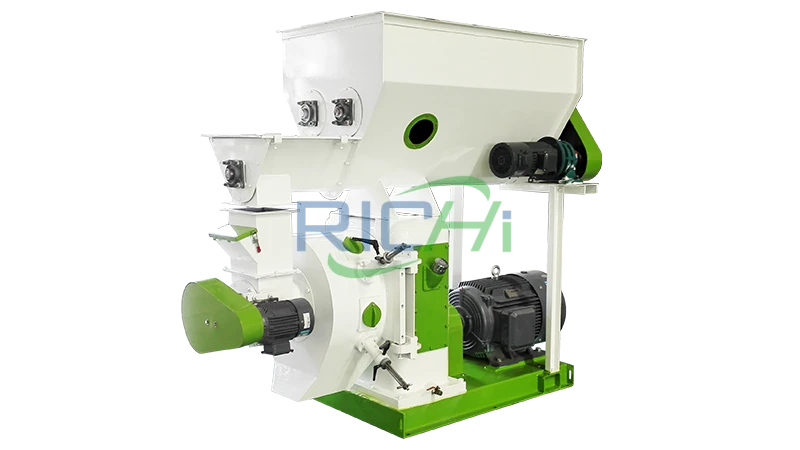
Step 4: Pelletizing
Pelletizing is the core stage of biomass pellet manufacturing.
During this process, biomass particles are compressed through a die under high pressure.
The heat generated by friction softens lignin within the biomass, allowing particles to bind together naturally.
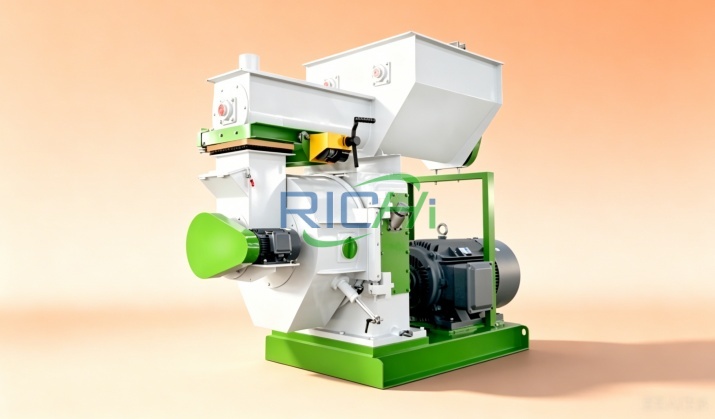
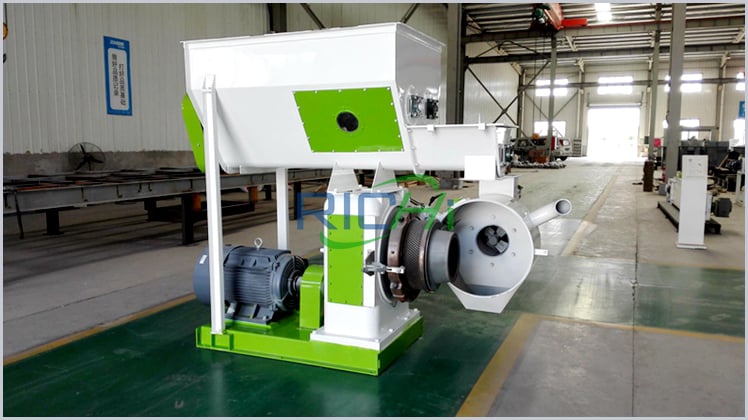
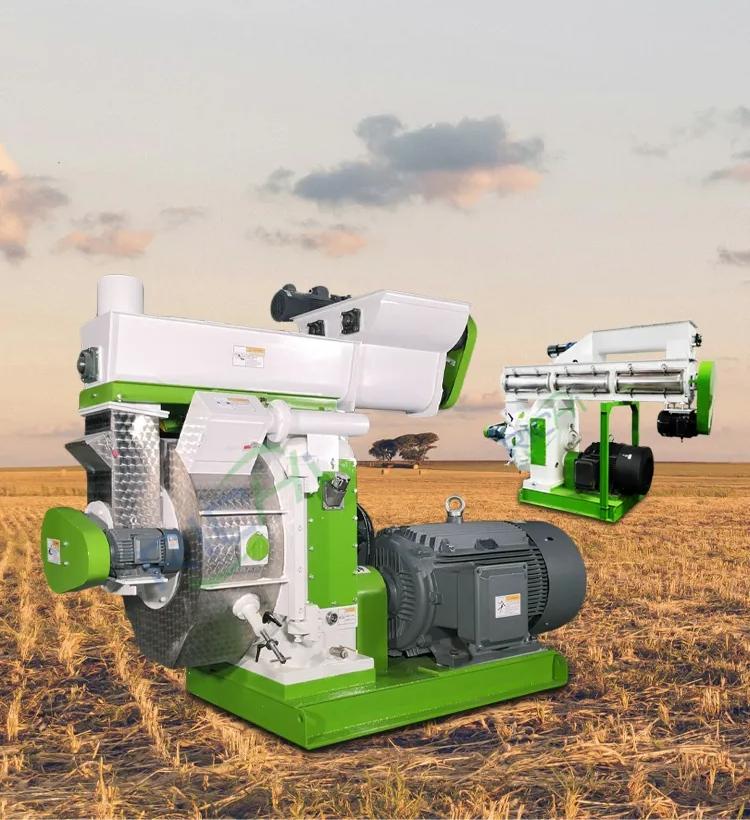
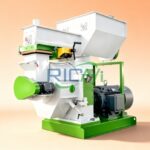
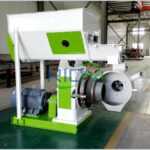
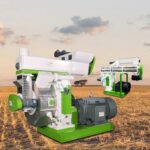
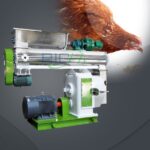
Ring Die Pellet Mills
Ring die pellet mills are commonly used in commercial pellet plants due to their high output capacity.
Advantages include:
- High production efficiency
- Continuous operation
- Long service life
Flat Die Pellet Mills
Flat die pellet mills are typically used in small-scale production facilities.
Benefits include:
- Lower investment costs
- Simpler maintenance
- Suitable for small businesses
The pellet mill transforms loose biomass into dense pellets with uniform size and shape.
Pellet density usually ranges from 600 to 750 kilograms per cubic meter.
Factors Affecting Pellet Quality
Several variables influence pellet quality during manufacturing.
Moisture Content
Excessive moisture can reduce pellet strength and production efficiency.
Particle Size
Uniform particle size improves pellet density and durability.
Raw Material Type
Different biomass materials have varying lignin content and binding properties.
Die Specifications
Die hole diameter and compression ratio significantly affect pellet quality.
Operating Conditions
Temperature, pressure, and feed rate must be properly controlled.
Careful optimization of these factors helps manufacturers produce premium-quality biomass pellets.
Step 5: Cooling
Fresh pellets exit the pellet mill at temperatures between 70°C and 90°C.
At this stage, pellets remain relatively soft and fragile.
Cooling systems are used to:
- Reduce pellet temperature
- Remove excess moisture
- Increase pellet hardness
- Improve storage stability
Counterflow coolers are commonly used because they provide efficient and uniform cooling.
Proper cooling significantly enhances pellet durability and reduces breakage during handling.
Step 6: Screening
Following cooling, pellets pass through a screening system.
The screening process removes:
- Fine particles
- Dust
- Broken pellets
These materials can be recycled back into the production process.
Benefits of screening include:
- Improved product appearance
- Better combustion performance
- Reduced transportation losses
- Higher customer satisfaction
Quality screening ensures that only finished pellets meeting specifications reach the market.
Step 7: Packaging and Storage
The final stage involves packaging and storing the finished biomass pellets.
Packaging options include:
Small Bags
Typically 15–25 kg bags for residential consumers.
Jumbo Bags
Large bulk bags used for industrial customers.
Bulk Delivery
Pellets loaded directly into trucks, railcars, or shipping containers.
Storage facilities should provide protection from:
- Rain
- Humidity
- Ground moisture
- Contamination
Proper storage maintains pellet quality and prevents deterioration.
Quality Control in Biomass Pellet Manufacturing
Successful pellet production requires strict quality control throughout the process.
Important quality indicators include:
Moisture Content
Typically maintained below 10%.
Bulk Density
Higher density improves transportation efficiency.
Durability
Durable pellets generate less dust during handling.
Ash Content
Lower ash content improves combustion performance.
Heating Value
High-energy pellets provide better fuel efficiency.
Many manufacturers follow international standards to ensure product consistency and market acceptance. (look here)
Equipment Used in a Biomass Pellet Plant
A complete biomass pellet production line typically includes:
- Wood chipper
- Hammer mill
- Dryer
- Pellet mill
- Cooler
- Screener
- Packaging machine
- Conveyor systems
- Dust collection equipment
The configuration depends on raw material characteristics, production capacity, and customer requirements.
Modern automated plants can produce several tons of pellets per hour while maintaining high product quality.
Factors Influencing Wood Pellet Making Machine Price
Investors entering the pellet industry frequently inquire about the wood pellet making machine price.
The cost of pellet equipment varies based on several factors:
Production Capacity
Higher-capacity machines generally require larger investments.
Equipment Type
Ring die pellet mills are typically more expensive than flat die models.
Automation Level
Advanced control systems increase productivity but also affect equipment costs.
Material Quality
Premium materials and precision manufacturing improve machine durability.
Complete Line Configuration
A complete production line includes additional equipment beyond the pellet mill itself.
When evaluating the wood pellet making machine price, investors should consider long-term performance, energy efficiency, maintenance requirements, and expected production output rather than focusing solely on initial purchase costs.
https://richipelletizer.com/wood-pellet-mill-price
Environmental Benefits of Biomass Pellet Manufacturing
Biomass pellet production supports environmental sustainability in several ways.
Reducing Agricultural Waste
Crop residues can be converted into valuable fuel instead of being burned in fields.
Supporting Forest Management
Forestry residues can be utilized rather than left to decay.
Lower Carbon Emissions
Biomass fuels help reduce reliance on fossil fuels.
Promoting Circular Economy
Waste materials become renewable energy resources.
These benefits contribute to national and international climate goals.
Future Trends in Biomass Pellet Manufacturing
The biomass pellet industry continues to evolve with technological advancements.
Emerging trends include:
- Smart manufacturing systems
- Automated quality control
- Energy-efficient dryers
- Improved pellet mill designs
- Alternative biomass feedstocks
- Carbon-neutral production facilities
As renewable energy demand grows, biomass pellet production is expected to play an increasingly important role in global energy markets.
Conclusion
The biomass pellet manufacturing process involves multiple carefully controlled stages, including raw material collection, size reduction, drying, pelletizing, cooling, screening, and packaging. Each step contributes to producing durable, high-quality pellets that serve as an efficient renewable fuel source.
With growing emphasis on sustainability, biomass pellets are becoming an essential component of modern energy systems. Advances in manufacturing technology continue to improve production efficiency and pellet quality while reducing operating costs. For investors and businesses considering entry into the biomass energy sector, understanding the production process and evaluating factors such as the wood pellet mill price are key steps toward building a successful and profitable pellet manufacturing operation.