


The pet food industry has become one of the fastest-growing sectors in global feed manufacturing. As pet owners increasingly focus on nutrition and food safety, manufacturers are investing in modern processing technologies to meet rising market expectations. One topic that continues attracting significant attention among investors is dog food making machine price.
Choosing the right production equipment is a critical business decision. Beyond the initial investment, manufacturers must consider automation, production capacity, operational efficiency, energy consumption, and long-term maintenance costs. A well-designed production line can improve productivity, maintain consistent feed quality, and strengthen market competitiveness.
Before selecting equipment, many business owners prefer to go to my blog regularly to study industry trends, production technologies, and feed manufacturing strategies.
Why Modern Pet Food Production Equipment Is Essential
Commercial pet food manufacturing involves far more than simple ingredient mixing. Modern production systems integrate multiple stages into a continuous workflow designed to maximize efficiency and maintain stable product quality.
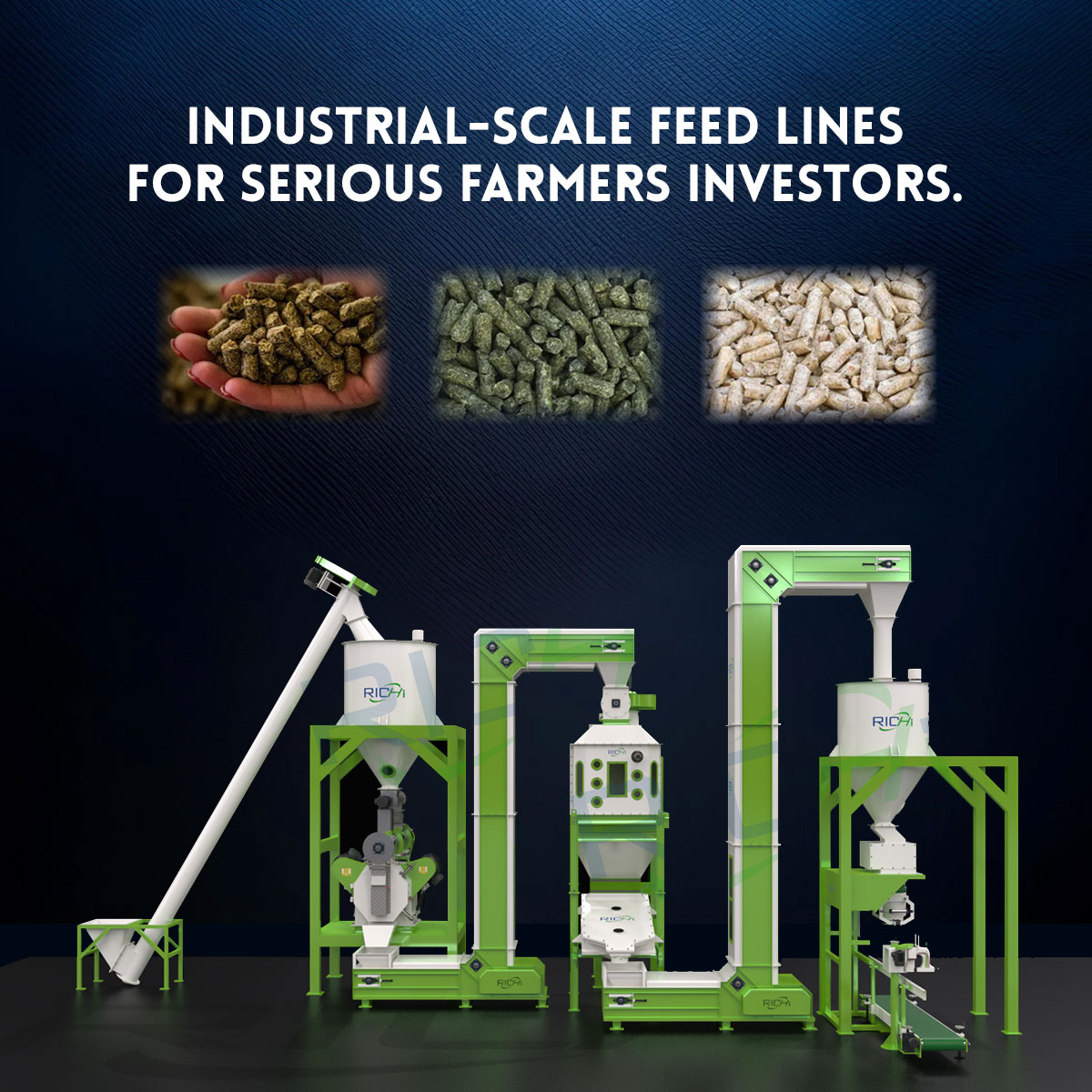
Typical production stages include:
- Raw material grinding
- Ingredient batching and mixing
- Extrusion processing
- Drying and cooling
- Flavor coating
- Packaging and storage
Advanced processing technologies help manufacturers produce consistent pellets with stable nutritional content and appealing appearance.
Businesses partnering with Richi Machinery often benefit from customized production systems that improve operational stability while reducing long-term manufacturing costs.
Main Factors Affecting Dog Food Making Machine Price
Production Capacity
Production capacity remains one of the largest factors influencing equipment pricing. Small-scale systems designed for startup operations are significantly more affordable than industrial continuous production lines.
Manufacturers searching for an animal feed pellet machine for cat production system often evaluate their current output requirements and future expansion plans before investing.
Larger production systems require:
- High-power motors
- Advanced extrusion systems
- Larger dryers and coolers
- Automated packaging equipment
As capacity increases, overall investment costs naturally rise as well.
Automation Level
Automation directly impacts labor efficiency and production consistency. Semi-automatic systems are suitable for smaller operations, while fully automated systems provide greater production control and reduced labor dependency.
Although intelligent systems increase the initial dog food making machine price, they often reduce operational expenses significantly over time.
Machine Material and Construction
Durable machine construction improves operational lifespan and reduces maintenance frequency. Stainless steel components are particularly important in pet food production because ingredients may contain oils, moisture, and corrosive additives.
Manufacturers choosing equipment from Richi Machinery frequently prioritize long-term durability and stable continuous operation.
Advantages of Modern Feed Production Technology
Stable Pellet Quality
Advanced extrusion technology helps maintain consistent pellet density, shape, and texture. Uniform pellets improve customer confidence and strengthen product branding.
Improved Nutritional Preservation
Precise temperature and moisture control help preserve essential nutrients during production.
Flexible Formula Compatibility
Modern feed systems can process a wide range of raw materials, including:
- Corn
- Wheat flour
- Soybean meal
- Fish meal
- Meat meal
- Rice bran
- Vitamin premixes
This flexibility allows manufacturers to create customized pet food formulas for different nutritional requirements.
Many feed manufacturers who regularly go to my blog focus on improving feed formulations and optimizing pellet quality.
Understanding Different Production Line Types
Compact Production Systems
Compact systems are ideal for startups and small regional businesses. These systems offer:
- Lower initial investment
- Easier installation
- Flexible operation
- Reduced maintenance requirements
They provide an affordable entry point into commercial pet food production.
Industrial Production Lines
Large-scale factories require integrated continuous production systems capable of operating efficiently for long periods.
Industrial production lines often include:
- Automated batching systems
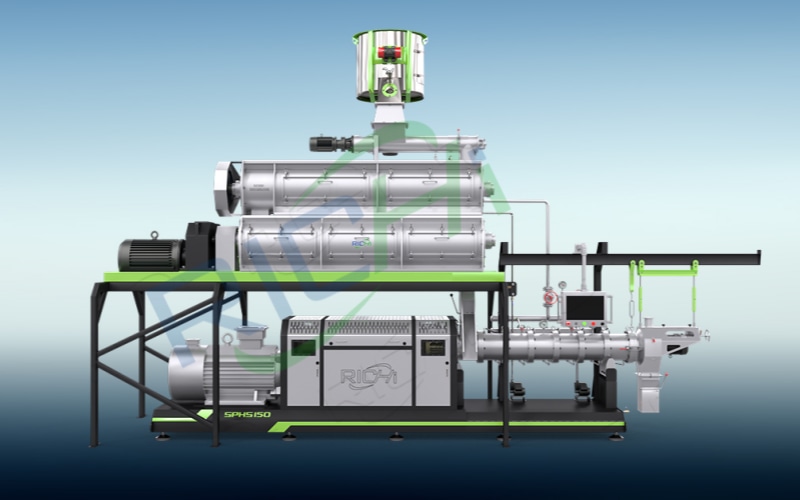
- High-capacity extruders
- Multi-layer drying systems
- Vacuum coating units
- Automatic packaging equipment
Companies investing in an animal feed pellet machine for cat production line often select industrial configurations to support long-term market growth.
Why Supplier Reliability Matters
The quality of the equipment supplier is just as important as the machine itself. Reliable suppliers provide engineering expertise, installation support, and technical guidance that directly influence production success.
Technical Experience
Experienced manufacturers understand feed processing requirements and can recommend customized equipment solutions based on customer goals.
Installation and Operator Training
Professional support services may include:
- Factory layout design
- Equipment installation supervision
- Operator training
- Production startup assistance
These services help manufacturers begin production efficiently while minimizing operational risks.
After-Sales Service
Strong after-sales support ensures stable machine performance and reduces downtime.
Many international customers choose Richi Machinery because of its customized engineering support and reliable technical service.
Energy Efficiency and Long-Term Operating Costs
Operational costs play a major role in overall manufacturing profitability. Efficient production systems reduce energy consumption while maintaining stable output quality.
Efficient Power Systems
Modern motor technologies reduce electricity consumption without compromising productivity.
Advanced Drying Technology
Optimized drying systems improve moisture control while reducing fuel usage.
Reduced Material Waste
Intelligent process control helps improve raw material utilization and minimize production losses.
Manufacturers often go to my blog to learn practical strategies for reducing operational costs and improving manufacturing efficiency.
Market Trends Driving Feed Equipment Demand
Growing Pet Ownership Worldwide
Pet ownership continues increasing across many regions, especially in developing economies. More consumers are purchasing commercial pet food products with higher nutritional standards.
Demand for Premium Nutrition
Consumers increasingly seek premium pet food featuring:
- Natural ingredients
- High-protein formulas
- Functional nutrition additives
- Specialized health benefits
This trend encourages manufacturers to invest in advanced animal feed pellet machine for cat production technologies.
Expansion of Export Markets
International demand for high-quality pet food continues growing across Asia, Africa, Europe, and South America. Manufacturers with advanced production systems are better positioned to compete globally.
Key Considerations Before Purchasing Equipment
Define Production Goals
Manufacturers should determine expected output levels, product types, and long-term business plans before selecting equipment.
Evaluate Factory Space
Production line layout must fit available facility dimensions while allowing room for future expansion.
Consider Raw Material Characteristics
Different ingredients may require specialized processing technologies depending on oil content, moisture levels, and nutritional composition.
Compare Long-Term Value
While the initial dog food making machine price is important, buyers should also evaluate durability, energy efficiency, automation, and maintenance costs.
The Importance of Production Customization
Every production facility operates differently. Customized solutions often provide greater efficiency and operational flexibility.
Customization options may include:
- Specialized extrusion systems
- Custom dryers and coolers
- Automated flavor coating units
- Flexible packaging systems
- Intelligent control software
Professional engineering support from Richi Machinery helps businesses design production lines that align with their market goals.
Long-Term Benefits of Advanced Equipment
Reduced Labor Requirements
Automation decreases dependence on manual labor and improves production consistency.
Increased Production Efficiency
Stable production systems improve throughput and reduce downtime.
Improved Product Competitiveness
Consistent pellet quality strengthens customer trust and brand reputation.
Manufacturers who regularly go to my blog often gain valuable industry insights that help improve operational efficiency and market competitiveness.
Future Opportunities in Pet Food Manufacturing
The global pet food market is expected to continue expanding rapidly over the coming years. Consumers are increasingly demanding healthier, safer, and more specialized nutrition products for their pets.
Businesses investing in advanced production systems today are better positioned to capture future market opportunities.
Modern animal feed pellet machine for cat production technology allows manufacturers to produce premium products efficiently while maintaining stable quality standards.
Final Thoughts
Selecting the right production equipment requires careful evaluation of manufacturing goals, operational costs, automation requirements, and supplier reliability. While the initial dog food making machine price is a key consideration, long-term operational value is even more important.
Advanced production solutions from Richi Machinery help manufacturers improve feed quality, reduce operating costs, and achieve stable large-scale production performance.
As the global pet food industry continues evolving, manufacturers that invest in modern technologies and efficient production systems will remain highly competitive in an increasingly demanding marketplace.
Check the details:https://www.richimanufacture.com/pet-food-machine-price/