




A 2–5 tons per hour bagasse pellet production project can be suitable for sugar mills, biomass fuel producers, and businesses with a stable supply of sugarcane processing residues.
At this capacity, the production system needs to maintain a continuous flow from raw material preparation to finished pellet handling. The pellet mill is important, but drying, grinding, conveying, cooling, and screening also need to be properly matched.
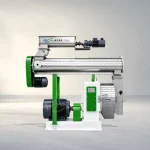
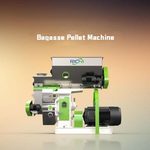
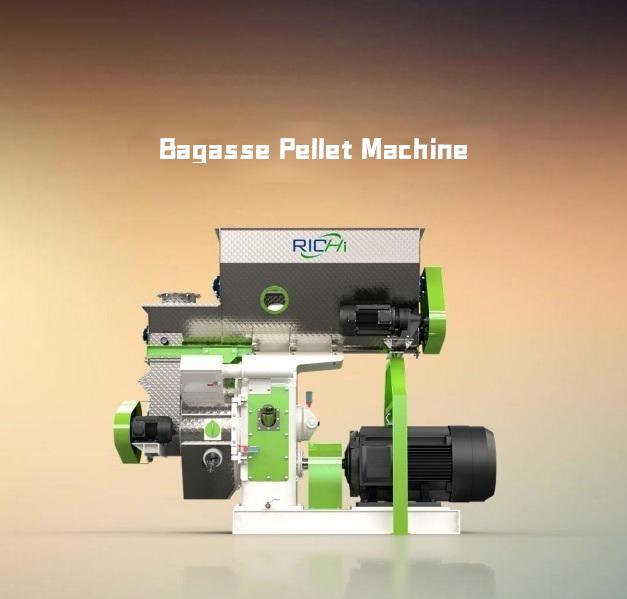
The bagasse pellet machine 2-5 tph configuration should therefore be planned according to both the required output and the condition of the available bagasse.
Raw Material Characteristics
Bagasse is the fibrous residue left after sugarcane is crushed to extract juice. It is relatively light and bulky, and freshly produced bagasse can contain considerable moisture.
These characteristics affect the design of the production line.
Before selecting equipment, the project owner should determine the average moisture content, daily bagasse availability, particle size, and storage conditions.
A factory receiving a continuous supply of fresh bagasse may require a different preparation system from a facility using material that has already been dried and stored.
Drying Before Pelletizing
Moisture control is usually one of the key stages in bagasse pellet production.
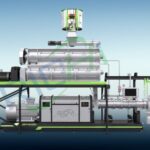
If the material contains excessive moisture, it normally needs to pass through a drying system before pelletizing. A rotary dryer can continuously reduce moisture and prepare the bagasse for grinding and forming.
The required dryer capacity depends on the initial moisture, target moisture, production rate, and available heat source.
For a 2–5 TPH project, the drying section should be sized to supply enough material to the pelletizing system without creating a bottleneck.
Crushing and Grinding
After drying or preliminary preparation, bagasse may require further size reduction.
Long fibers and oversized pieces can make feeding less stable. A crusher can reduce larger material, while a hammer mill can further process the bagasse into a more suitable particle size.
Consistent particle size helps the pellet mill maintain a more stable feeding and forming process.
The grinding equipment should also be matched with the required production capacity. An undersized hammer mill can limit the output of the entire system even when the pellet mill itself has sufficient capacity.
Pelletizing Process
Once the bagasse reaches the appropriate moisture and particle size, it is transferred to the pelletizing section.
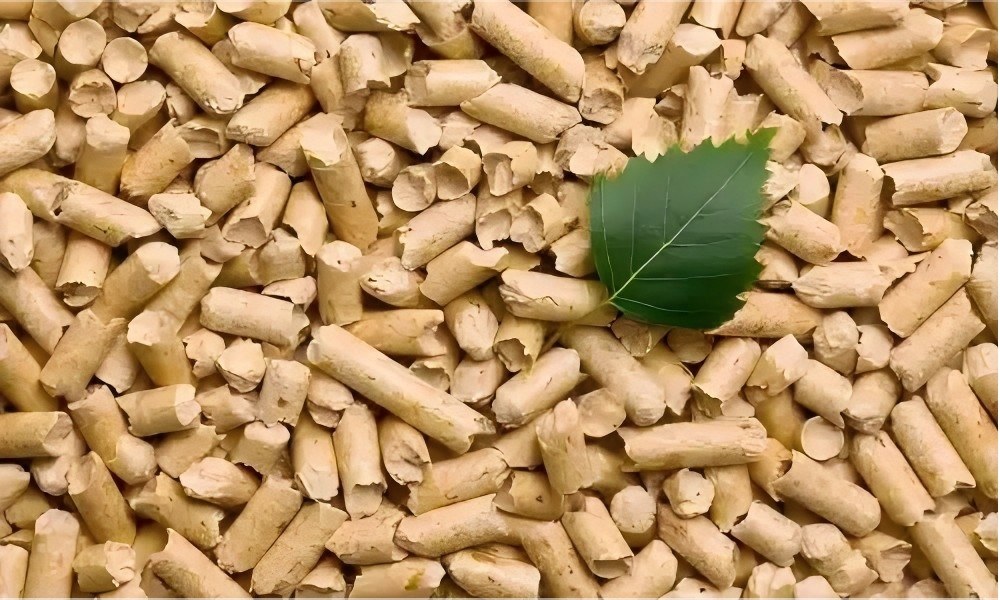
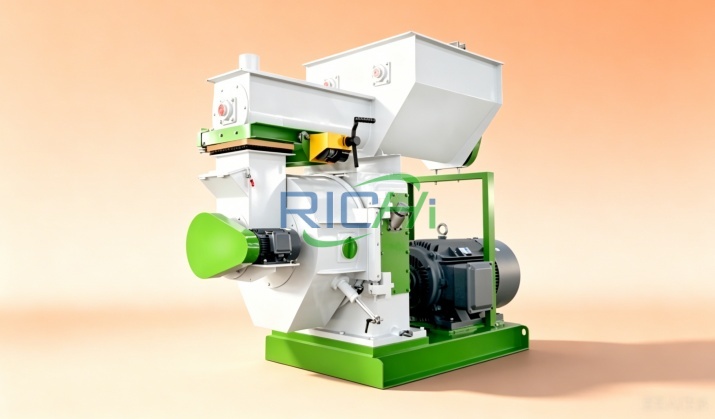
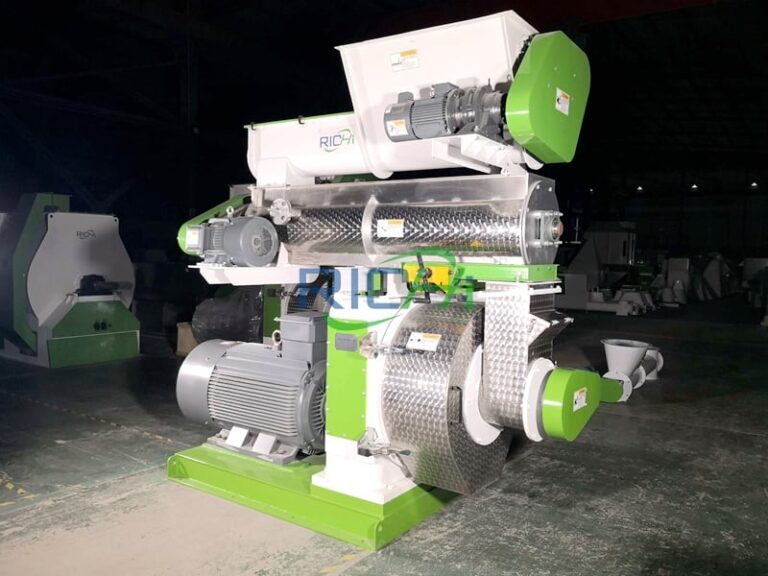
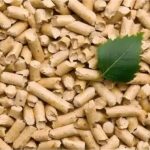
Inside the pellet mill, rollers compress the prepared biomass against a die. Pressure forces the material through the die holes, forming cylindrical pellets.
The final pellet diameter can be adjusted by selecting an appropriate die.
For comparison, a 5T/H rice husk pellet machine may be used for another common agricultural residue. However, rice husk and bagasse have different physical characteristics, so their preparation and operating conditions should not simply be copied from one material to another.
The actual capacity of the pellet mill can also vary according to moisture, particle size, pellet diameter, and raw material properties.
Cooling and Screening
Fresh pellets normally leave the pellet mill at an elevated temperature.
A cooler reduces the temperature of the pellets and helps stabilize them before storage or packing. For a commercial 2–5 TPH project, continuous cooling is particularly important because finished pellets need to move efficiently to the next stage.
After cooling, a screening machine separates fines and undersized material.
The fines can potentially be returned to the production process, depending on the plant configuration.
Typical Equipment Configuration
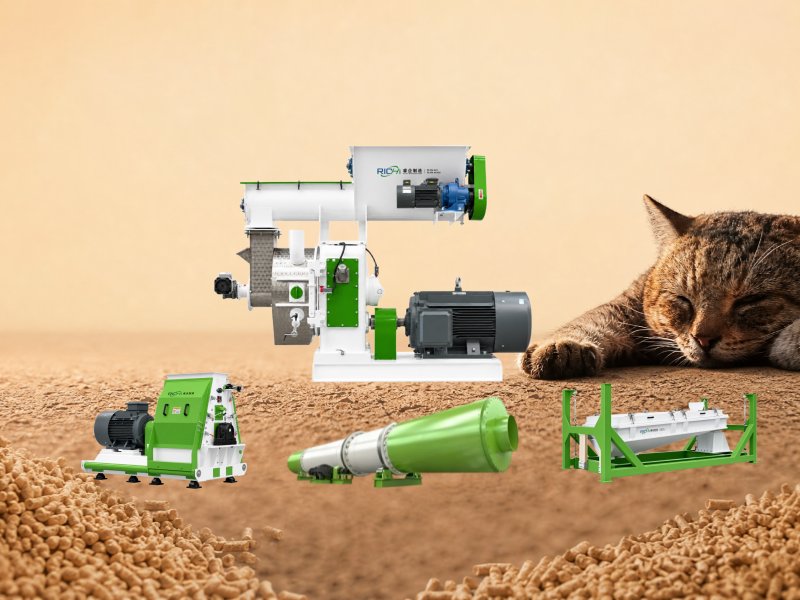
A 2–5 TPH bagasse pellet production line may include:
- Raw material feeding system
- Crusher or pre-processing equipment
- Rotary dryer
- Hammer mill
- Pellet mill
- Pellet cooler
- Vibrating screen
- Conveyors
- Storage equipment
- Packing system
Not every project needs exactly the same configuration.
For example, if the available bagasse already has suitable moisture and particle size, some preparation equipment may be reduced or removed.
Material Flow and Automation
At this production scale, stable material conveying becomes increasingly important.
Conveyors can transfer material between the drying, grinding, pelletizing, cooling, and screening sections. A centralized control system can also allow operators to monitor major equipment and adjust production parameters.
A properly integrated pellet mill system can reduce unnecessary manual handling and help maintain a continuous production flow.
The required automation level depends on labor availability, operating hours, packaging requirements, and the customer’s budget.
Storage and Finished Product Handling
The final pellets should be stored under suitable conditions to protect them from moisture.
Bulk storage bins can be used for larger commercial operations, while bagging systems are useful when pellets are sold in smaller quantities.
Storage capacity should be considered during the initial plant design rather than added later without considering the material flow.
Planning the 2–5 TPH Project
Before purchasing equipment, project owners should provide several basic details:
- Bagasse availability per day
- Initial moisture content
- Target production capacity
- Pellet diameter
- Available heat source
- Electricity specifications
- Storage requirements
- Packaging method
These details allow the production system to be designed around actual operating conditions.
A 2–5 TPH bagasse pellet project is therefore more than a pellet mill purchase. Drying, grinding, conveying, cooling, screening, and storage all contribute to reliable production.
With a properly matched configuration, sugarcane residues can be converted from a bulky by-product into a more uniform and manageable biomass fuel. For additional information about biomass pellet equipment and production systems, read more before finalizing the project configuration.
Related Post: https://pelletizerequipment.com/peanut-shell-pellet-machine/