

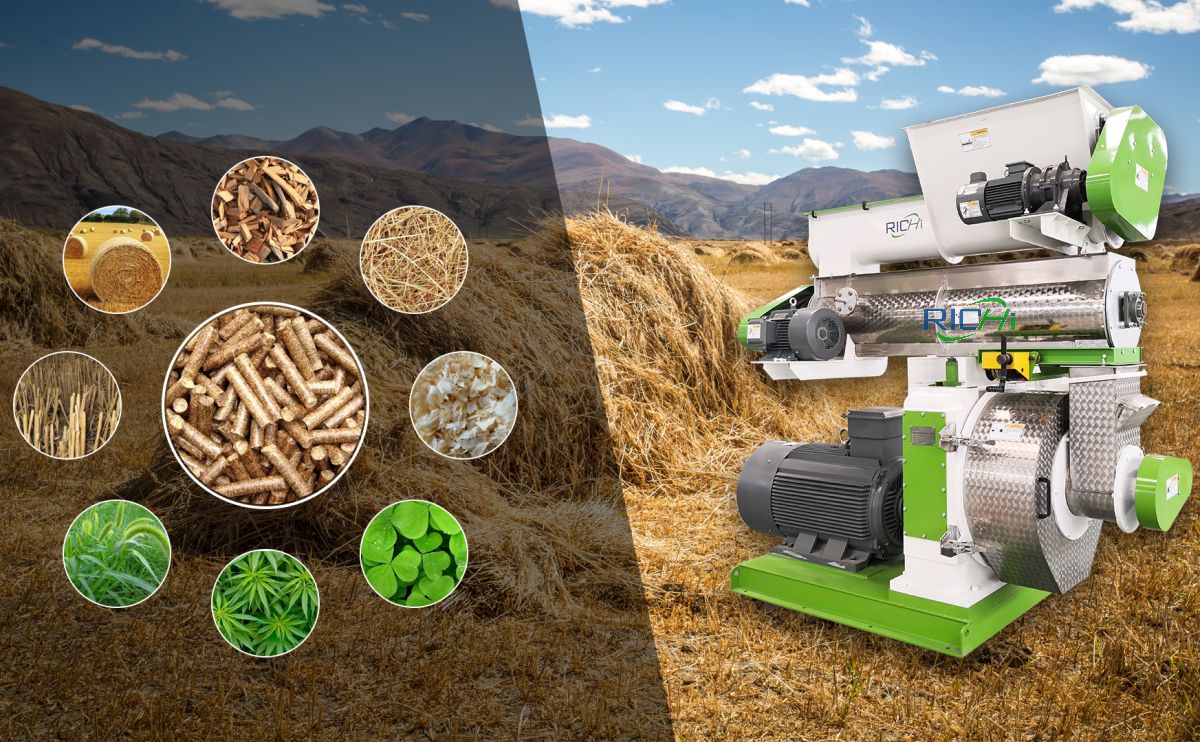
A bagasse pellet mill project is often decided at a sugar mill or near a biomass supply hub, where the main commercial question is how to turn a seasonal, wet and fibrous residue into a consistent product. The press is only one part of the decision. Bagasse moisture, storage condition, fiber length, ash contamination, drying cost and the buyer’s intended pellet market determine the process route and the practical output.
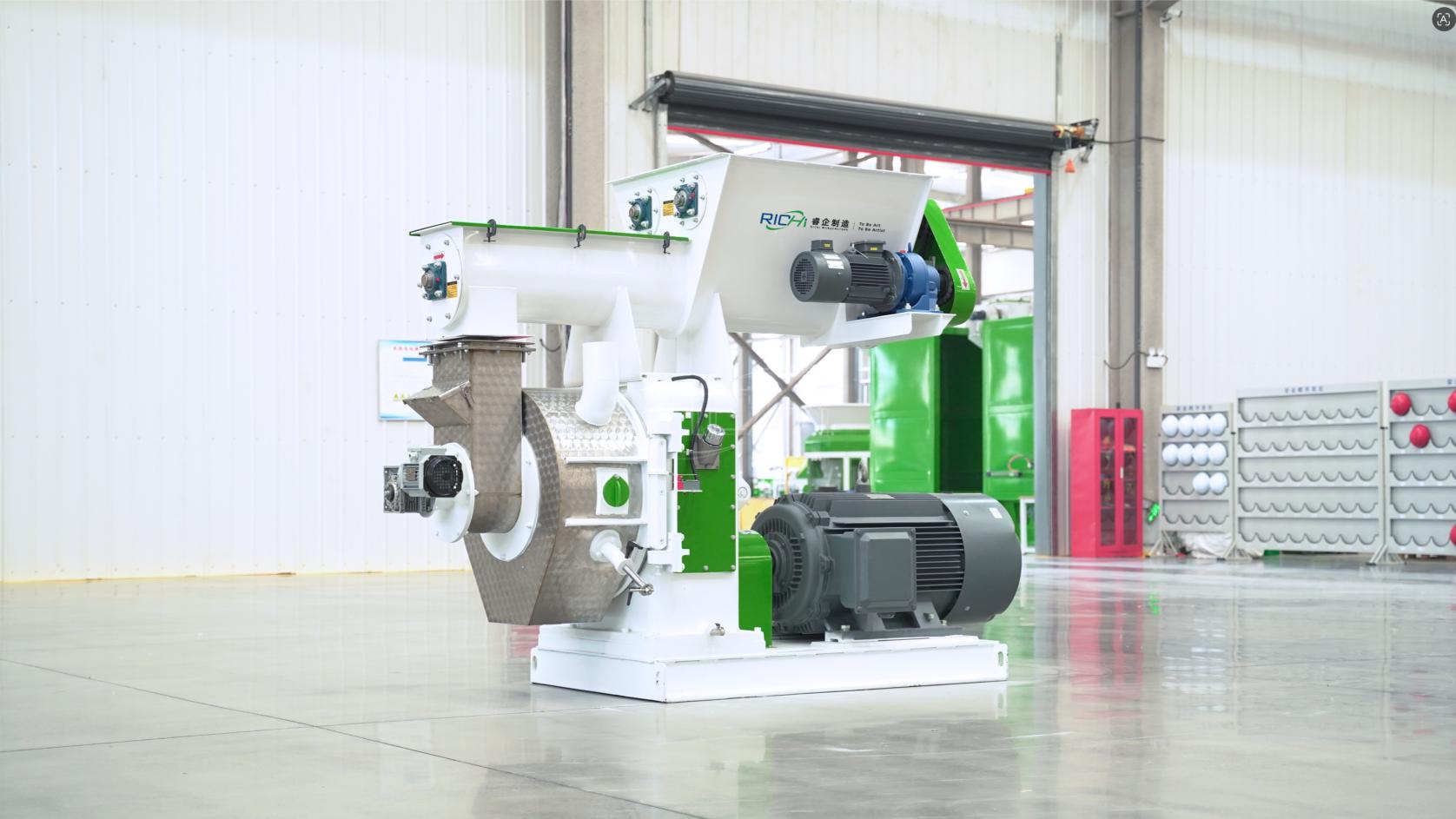
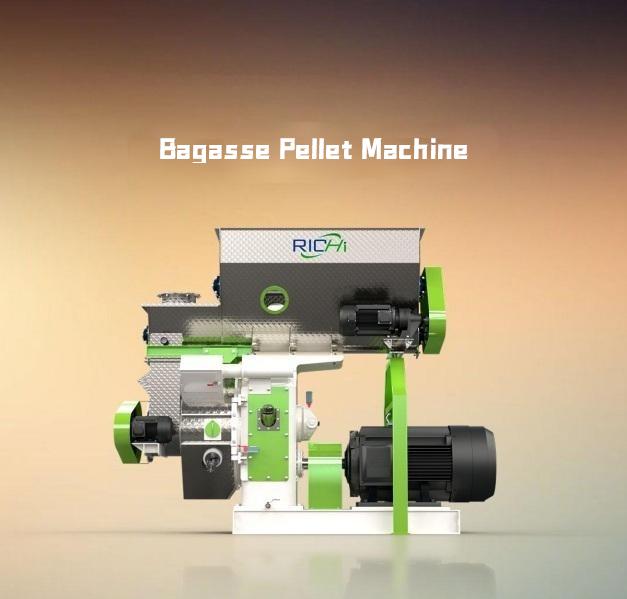
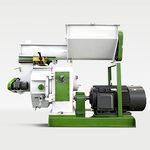
RICHI’s bagasse pellet mill range lists reference capacities from 0.2–4 t/h for the described ring-die models, with pellet diameters of 4–12 mm. The machine features include a widened feed inlet, double-roller arch-breaking device, forced feeder, 42CrMo alloy ring die, material-gripping rollers and overload safety pin. The page describes applications for fuel, ruminant feed and organic fertilizer. Actual output depends on moisture, particle size, material blend and operating conditions.
Decide Where the Bagasse Will Come From and How Long It Must Be Stored
A sugar mill may generate bagasse continuously during the crushing season, while a pellet plant may be expected to operate for more months of the year. Estimate the usable quantity after handling losses, contamination removal and storage degradation. If the plant must operate outside the crushing season, calculate the inventory required and the cost of covered storage, fire protection, handling equipment and stock rotation.
Fresh bagasse is bulky and may contain high moisture. Its fiber length and condition vary with the mill and extraction process. Record incoming moisture, ash or soil contamination, fiber length, bulk form and delivery frequency. If bagasse is mixed with rice husks, wood chips or other residues, define the blend range and keep the batches traceable.
The product route must be clear before selecting the equipment. Fuel pellets need to meet the end user’s combustion and handling requirements. Ruminant feed requires a suitable ration and controlled ingredient additions; bagasse alone should not be described as a complete feed. Fertilizer applications may require fermentation or blending with other organic materials before pelletizing.
Calculate the Drying Duty Before Comparing Press Capacity
The amount of water to remove is a major cost driver. Establish wet-feed rate, initial moisture and target moisture on a consistent basis. Use the material balance to estimate water removal per hour, then evaluate heat source, dryer residence time, airflow, exhaust conditions and seasonal variation. A dryer should be sized for the design moisture range, not only the average batch.
Compare the delivered cost of heat sources. A biomass furnace may use suitable residues, but fuel preparation, feeding, combustion maintenance, ash removal and labor still carry costs. Gas, oil or steam may have different infrastructure and tariff exposure. Evaluate energy cost per saleable tonne rather than nominal dryer capacity.
After drying, reduce bagasse lumps to a controlled particle size. RICHI’s process information describes crushing before pelletizing, with the actual particle target depending on the material and die. Too-coarse fibers can feed unevenly and weaken pellets; excessive fine grinding raises electricity use and dust. Confirm particle distribution using representative samples.
Prevent Bridging at the Press Inlet
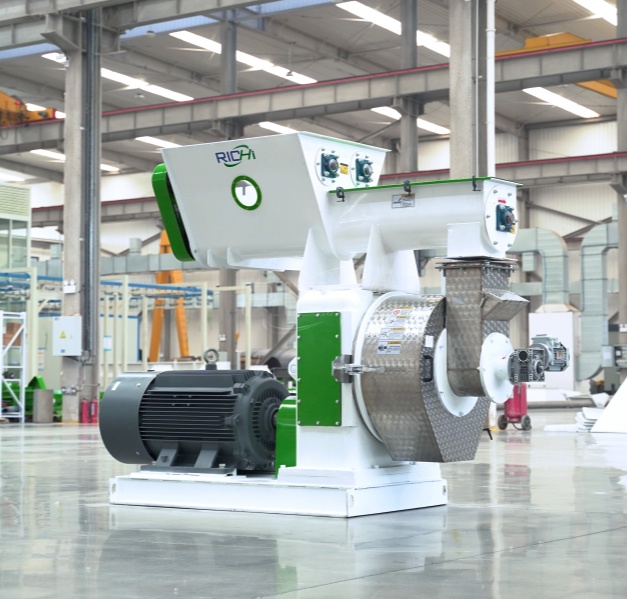
Bagasse is light and fibrous, so it can bridge in a conventional hopper. RICHI describes a widened inlet with a double-roller arch-breaking device and a forced feeder to push material into the pelletizing chamber. These features address flow problems, but the upstream conveyor and buffer bin must also supply material steadily.
If the press alternates between starvation and sudden overfeeding, check fiber length, moisture, hopper geometry and feeder control. Increasing feeder speed without identifying the cause may overload the chamber. Provide safe access for inspection and a clear lockout procedure for clearing material.
Where bagasse is blended with additives or other biomass, use controlled dosing and mixing. The press should receive a consistent mixture rather than a sequence of uneven batches. For feed or fertilizer routes, ingredient proportions and quality checks should be established independently of the pellet mill.
Match the Ring Die and Rollers to the Product
The ring die and pressure rollers determine how the material is compressed. RICHI describes a 42CrMo alloy steel die and rollers designed to grip long-fiber material. The correct die compression ratio and hole diameter depend on the product, moisture and prepared particle size. A 4–12 mm pellet range is listed, but the buyer should specify the required diameter and length before the die is finalized.
The cutter adjusts pellet length, while the safety pin is designed to shear under abnormal load and protect key components. Treat activation of the safety pin as a fault requiring investigation, not as routine maintenance. Check for foreign matter, blockage, incorrect feed, die condition or other causes before restarting.
Compare wear-part cost and service access in the quotation. Record die and roller specifications, replacement procedure, lubrication requirements and the clearance needed for removal. Estimate wear cost per saleable tonne using actual replacement costs and expected production, taking account of bagasse ash and contamination.
Balance Cooling, Screening and Packaging
Pellets leaving the die are hot and may be soft. Cooling stabilizes the product before screening and storage. The cooler should match the press discharge and pellet dimensions. Screening removes fines and off-size pellets; any recycle route should be monitored so that repeated handling does not reduce net output.
Packaging depends on the market. Industrial fuel users may accept bulk delivery, while distributors may require bags. Feed and fertilizer products may need different packaging, labeling and storage controls. Confirm packing rate, bag weight, weighing accuracy, palletizing and finished-product warehouse capacity.
Commission With the Bagasse the Plant Will Actually Receive
A representative trial should use bagasse from the intended supply source. Record moisture, fiber length, contamination, particle size, blend ratio, feeder setting, die, roller adjustment, motor load, pellet dimensions, fines and saleable output after cooling and screening. A trial using unusually dry and clean bagasse may overstate commercial performance.
Acceptance should define test duration, product specification, sampling method, utility conditions and the calculation of saleable output. If the plant will process different blends, test the important cases separately. If the result misses target, investigate drying, crushing, feeding, die configuration and downstream handling in sequence.
Bagasse Drying Cost Calculation
Build the estimate from measured wet feed rate, inlet moisture and target outlet moisture on a consistent basis. Calculate dry-solids flow and water removed per hour, then apply tested thermal consumption or a documented engineering estimate. Add electricity for fans and conveyors, labor, cleaning, ash handling and dryer maintenance. Divide total drying cost by saleable tonnes after pelletizing, cooling and screening, not by wet tonnes entering the dryer. Test normal and wettest expected supply conditions. If the dryer is sized only for average moisture, wetter deliveries can reduce press utilization or create storage delays.
For project comparison, record the assumed moisture basis and the measured values used in the calculation. Keep wet feed tonnes, dry solids, water removed and accepted pellet tonnes as separate quantities. If a supplier quotes dryer capacity in wet tonnes per hour, convert it to the water-removal duty and compare it with the site’s actual material balance. This prevents two proposals from appearing comparable when they use different inlet moisture assumptions.
Bagasse Supply and Process Risk Register
Confirm whether the plant receives fresh bagasse directly from a sugar mill or buys from an external yard. Define delivery quantity, moisture sampling, contamination limits, unloading responsibility and off-spec load treatment. For off-season operation, estimate inventory and assess covered storage, drainage, fire access, loader movement and stock rotation. Bagasse changes during storage as moisture and temperature vary, so keep fresh and stored material identifiable. If a batch heats abnormally or shows visible deterioration, isolate it and assess it under site safety procedures rather than blending it automatically.
Model normal supply, wet-season moisture and reduced off-season availability as separate operating cases. For each case, estimate dryer utilization, press utilization, storage days, heat cost and saleable output. Include handling losses and the cost of storing surplus material when the press cannot consume it immediately. The preferred capacity may change if the plant operates only during the sugar season or if low-cost heat is available from the mill.
Prepared Bagasse Capacity and Yield Basis
Calculate pellet mill feed rate after drying, crushing and screening. Start with wet bagasse intake, measure inlet and outlet moisture, and calculate dry solids retained. Deduct handling losses and screening rejects, then include any blend ingredients added before forming. The prepared-feed flow is the relevant basis for selecting the pellet mill, while final saleable output must also account for cooling, screening and packing losses. Do not compare wet-bagasse intake with dry-pellet output as if they were the same capacity measure.
During commissioning, measure dryer inlet and outlet moisture, feed rate, heat consumption, press motor load, feeder setting, pellet dimensions, fines and accepted output after cooling and screening. If dryer moisture is on target but press output remains low, investigate particle size, fiber length, feeding stability and die condition. If packaged yield is lower than press discharge, inspect cooler, screen and transfer losses. Compare cost per saleable tonne across suppliers and seasons, and update the investment model when raw-material source, storage period or heat tariff changes.
Bagasse Process Monitoring During Routine Production
At each shift handover, record raw-material batch, moisture, dryer settings, feeder behavior, motor load, pellet dimensions, fines and accepted packaged output. Compare the readings with the validated operating window. If the dryer reaches its moisture target but press load changes, investigate particle size and fiber condition before changing die settings. If press discharge is stable but packaged yield falls, inspect cooling, screening and transfer losses. This separates process-stage problems and prevents unnecessary adjustments to the pellet mill.
Conclusion: Evaluate the Bagasse Pellet Mill as a Seasonal Process Investment
A bagasse pellet mill project depends on the seasonal supply, moisture-removal cost, particle preparation, stable feeding, die wear and finished-product market. The press features matter, but the investment should be evaluated as a balanced process from receiving through dispatch. Use measured material data and a representative trial to validate the production assumptions.
For model details and applications, review the RICHI bagasse pellet mill range. Prepare supply estimates, moisture range, fiber samples, target product, pellet diameter, heat-source information and site layout before finalizing the equipment scope.