




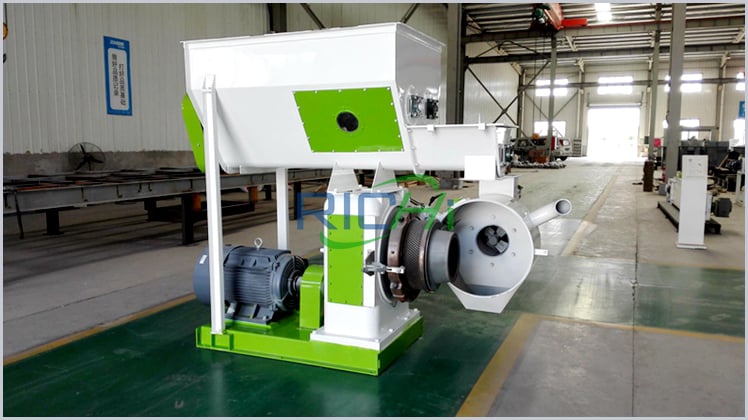
The bioenergy sector has witnessed remarkable growth over the past decade, driven by government incentives, rising fossil fuel costs, and a global push toward carbon neutrality. Central to this growth is the biomass wood pellet machine — a category of industrial equipment that converts raw lignocellulosic materials into standardized fuel pellets suitable for heating systems, power plants, and export markets worldwide.
Understanding the Biomass Wood Pellet Machine
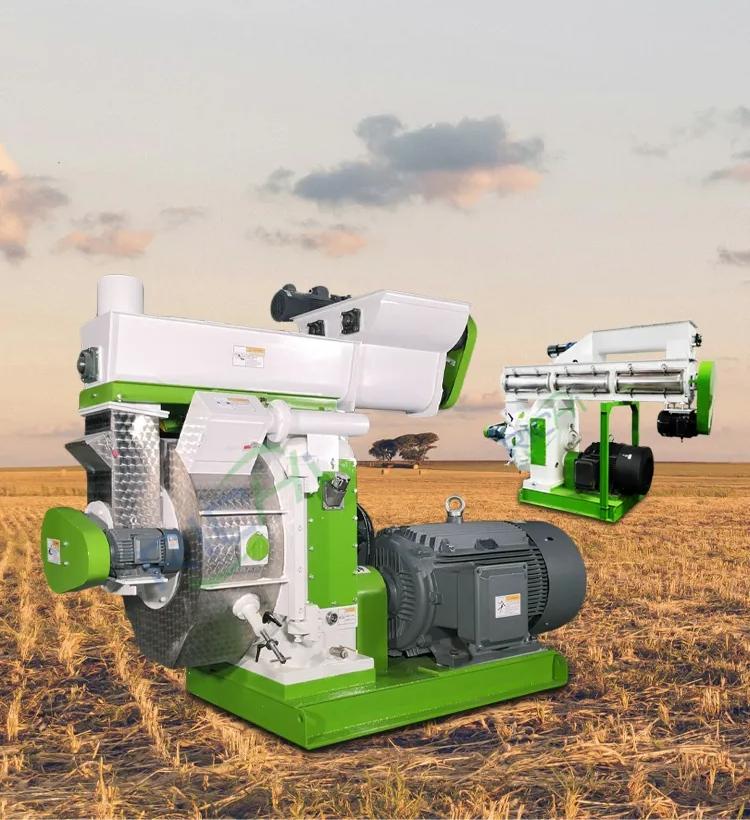
A biomass wood pellet machine is designed specifically to handle wood-based feedstocks, including sawdust, wood shavings, bark, and logging residues. Unlike agricultural residue pelletizers, wood pellet machines are typically engineered with higher compression ratios and harder die materials to manage the dense fiber structure of woody biomass.
Modern machines come in two primary configurations: flat die and ring die. Flat die models are well suited to smaller operations and softer materials, while ring die machines dominate industrial-scale production due to their superior output consistency, energy efficiency, and throughput capacity. For any serious commercial venture, ring die pellet manufacturing equipment is generally the preferred choice.
Core Components of Pellet Manufacturing Equipment
High-performance pellet manufacturing equipment encompasses several interdependent systems. Each plays a critical role in determining the overall quality and cost efficiency of production:
1. Grinding and Size Reduction Raw wood must be reduced to particles no larger than 3–5 mm before pelletizing. Hammer mills and wood chippers serve this purpose, and their capacity must be matched to the downstream pellet press to ensure a continuous, consistent feed.
2. Drying Systems Wood feedstock typically arrives with moisture content between 30–50%, far above the 10–15% threshold required for efficient pelletization. Rotary drum dryers or belt dryers are integrated into the line to bring moisture levels into the acceptable range without over-drying.
3. The Pellet Press The heart of any production line, the pellet press determines output volume, pellet density, and durability index (DU) — a key quality metric in international pellet trade standards such as ENplus and ISO 17225.
4. Cooling and Screening Freshly pressed pellets exit the machine at temperatures of 70–90°C and must be cooled to ambient temperature before packaging or storage. Counterflow coolers are standard in professional setups. Vibrating screens then remove fines and broken pellets to ensure a clean, uniform final product.
For detailed equipment specifications and layout recommendations, buyers are encouraged to click reference technical documentation from reputable manufacturers, which often includes capacity charts, power consumption data, and installation guidelines.
Why Manufacturer Selection Matters
The reliability of pellet manufacturing equipment is only as strong as the manufacturer behind it. Production downtime caused by poor-quality components can be extraordinarily costly, particularly in large-scale operations with supply contracts.
Richi Machinery has built a strong reputation in this space by offering not only robust, well-engineered machines but also comprehensive after-sales services including remote diagnostics, on-site installation supervision, and long-term spare parts supply. Their engineering team works closely with clients to design production lines tailored to specific feedstock types, output capacities, and facility layouts.
Matching the Machine to Your Feedstock
One of the most common mistakes made by new entrants to pellet production is selecting a generic biomass wood pellet machine without thoroughly analyzing the feedstock characteristics. Wood species, moisture content variability, particle size distribution, and ash content all influence which machine configuration and die specification will deliver optimal results.
Engaging experienced suppliers early in the planning phase — and using click reference materials to compare technical specifications — allows buyers to avoid costly mismatches between equipment capabilities and production requirements.
Market Outlook for Wood Pellet Production
Global wood pellet demand is projected to continue growing as European and Asian markets expand their bioenergy capacity. The United Kingdom, South Korea, Japan, and Denmark are among the largest pellet importers, creating substantial export opportunities for producers in North America, Eastern Europe, and Southeast Asia.
For entrepreneurs and industrial operators alike, now is an opportune time to evaluate a biomass wood pellet machine investment, particularly as machinery costs have become more competitive and financing options more accessible.
Conclusion
Choosing the right biomass wood pellet machine and assembling a complete set of high-quality pellet manufacturing equipment is a decision that shapes the long-term profitability and operational stability of any pellet business. Partner with proven manufacturers like Richi Machinery and leverage all available technical resources to make an informed, strategic investment.
https://www.richimanufacture.com/biomass-pellet-making-machine/