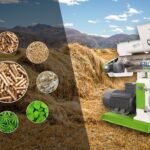




A bagasse pellet machine is designed to compact a light, fibrous material that can bridge in a hopper and resist consistent feeding. The machine must manage the material from the inlet to the die, but the quality of the finished pellets also depends on drying, crushing, cooling and screening. A buyer choosing a machine for sugarcane bagasse should therefore check the raw material condition, intended product and complete process route before comparing model capacity.
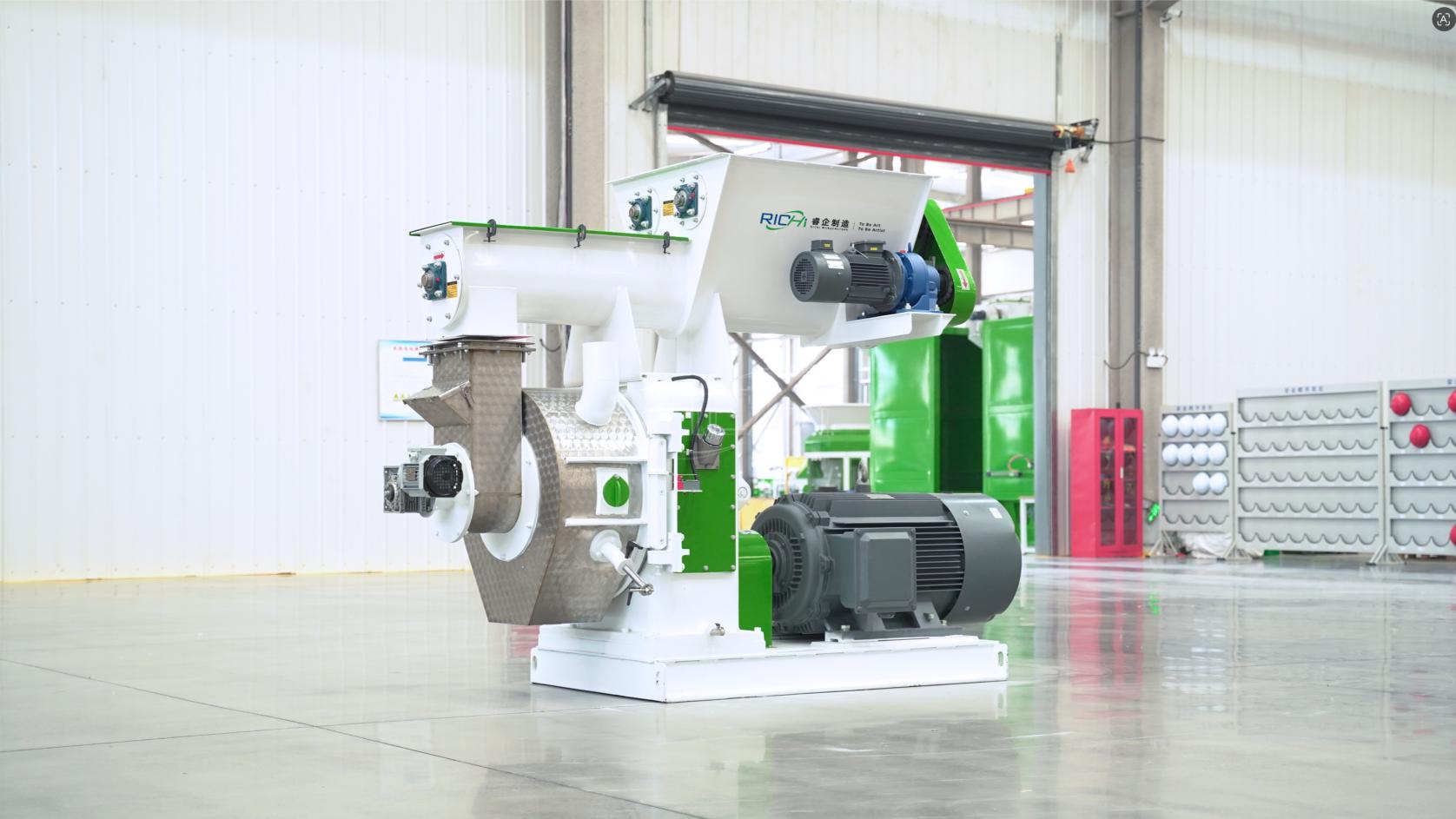
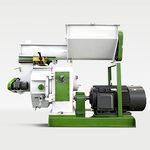
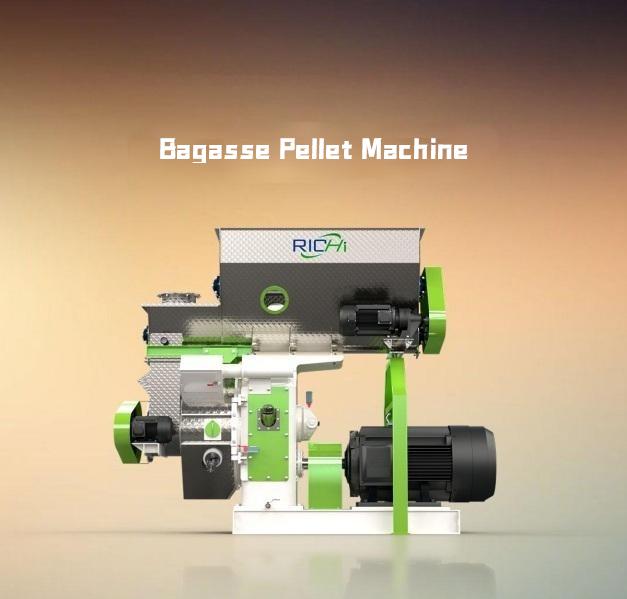
RICHI’s bagasse pellet machine page describes a model range from MZLH320 to MZLH768, with reference output from 0.2–0.3 t/h to 3–4 t/h and pellet diameters of 4–12 mm. The table lists main motor power from 22 kW to 250 kW. It also describes an anti-blocking inlet, variable-frequency feeding, a forced feeder, a wear-resistant ring die, adjustable roller gap, gear transmission and a safety pin. Actual output varies with bagasse moisture, crushing particle size and operating conditions.
Understand the Bagasse Before Selecting the Press
Fresh bagasse from a sugar mill is commonly wet, fibrous and low in bulk density. Its condition changes with the milling process, storage time, weather and handling. Long fibers can wrap or bridge in feeding equipment, while soil and ash contamination can increase wear. The buyer should collect representative samples and record moisture, fiber length, particle size, ash or soil content and the proportion of other residues in the intended blend.
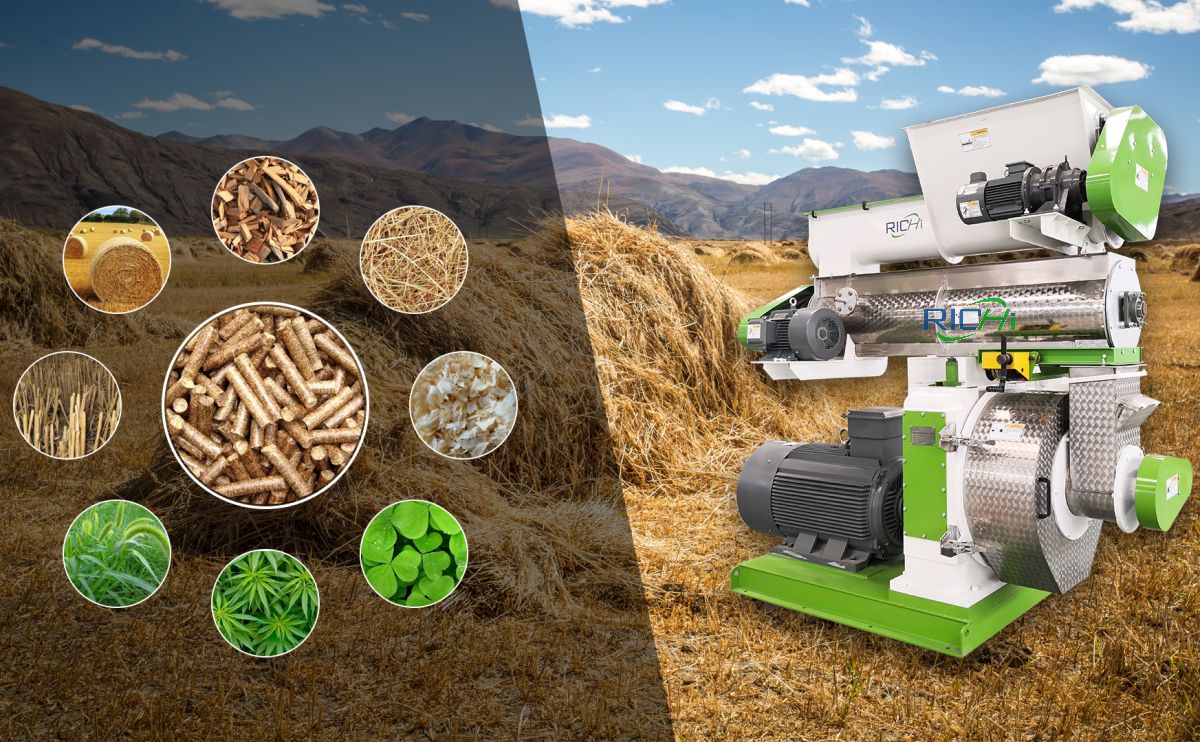
The intended product determines the preparation and machine configuration. Biomass fuel pellets need a suitable density, durability, moisture and combustion specification. Coarse feed pellets require a feed formulation, suitable ingredient proportions and process controls; bagasse should not be treated as a complete feed by itself. Organic fertilizer pellets may use bagasse as a fiber or carbon component blended with fermented manure or other materials. Cat litter is a separate product route with absorbency and dust requirements.
If the plant intends to process more than one product, define separate formulas, storage and changeover procedures. Fuel, feed, fertilizer and litter may require different conditioning, additives, die specifications and quality tests. A machine that can physically press several materials does not automatically deliver all the product qualities with one unchanged process.
Prepare Moisture and Particle Size Before Feeding
Bagasse leaving a sugar mill can have moisture around 45%–50%, according to the product page’s process description. At this level it is generally unsuitable for direct pelletizing. The page describes drying below 20%, with many production lines using a 12%–18% reference range before forming. The actual target should be validated against the buyer’s material, product and equipment. Moisture should be measured, not estimated by appearance.
Dryer selection should be based on wet-feed rate, initial moisture, target moisture and the mass of water to remove per hour. Heat-source efficiency, residence time, airflow, exhaust conditions and material behavior determine the actual thermal requirement. If bagasse moisture varies by shift or season, provide a way to adjust feed rate and heat input. The dryer also needs appropriate dust collection, fire protection and cleaning access.
After drying, bagasse lumps should be reduced to a controlled particle size. RICHI’s page describes crushing to approximately 3–5 mm before pelletizing. This is a process reference rather than a universal screen size. Material that is too coarse may not feed or compact consistently, while unnecessary fine grinding can consume power and generate dust. Confirm the particle distribution with the selected die and target pellet diameter.
Use the Feeding System to Prevent Bridging and Surging
Bagasse is fluffy and fibrous, so a conventional hopper may not deliver it evenly. RICHI describes a wide feed inlet with an anti-blocking structure, a variable-frequency feed motor and a forced feeder. The variable-frequency drive allows feed rate adjustment, while the forced feeder helps move material into the pelletizing chamber. These features should be assessed with the buyer’s actual bagasse because fiber length and moisture can change flow behavior.
The receiving hopper and upstream conveyor must be sized to supply the feeder without sudden surges. If material bridges, the press may run empty and then receive a sudden slug of feed. If the feeder is set too aggressively, the die may overload. A buffer bin can help separate dryer discharge from press demand, but its geometry must suit fibrous material and provide safe access for clearing blockages after isolation.
The project should also define how blended materials are added. Bagasse mixed with molasses, urea, minerals or other ingredients for ruminant feed needs controlled batching and mixing. Fertilizer blends may require manure, sludge or other organic components after fermentation. These processes need their own dosing and mixing controls rather than relying on the pellet machine to create a uniform formula.
Select the Ring Die and Roller Arrangement for the Product
The ring die and pressure rollers form the pellet by compressing material through die holes. RICHI describes a high-wear-resistant alloy ring die that undergoes heat treatment and CNC drilling, together with an eccentric-shaft roller structure that allows the gap to be adjusted. The correct die compression and roller setting depend on the bagasse condition, target diameter and product route.
The published model table lists MZLH320 at 0.2–0.3 t/h with a 22 kW main motor, MZLH350 at 0.3–0.5 t/h with 37 kW, MZLH420 at 1.0–1.2 t/h with 90 kW, MZLH520 at 1.5–2.0 t/h with 132 kW, MZLH678 at 2.5–3.0 t/h with 200 kW and MZLH768 at 3.0–4.0 t/h with 250 kW. These are reference outputs; actual capacity changes with moisture, particle size and operating level.
The cutter controls pellet length by adjusting its distance from the ring die. The transmission uses gear drive, and the page describes Siemens motors and SKF bearings for the referenced configuration. Lubrication can be manual or equipped with an optional automatic system. The safety pin is designed to break under abnormal load and trigger shutdown, protecting personnel and key components. These features should be included in the inspection and maintenance plan.
Cool and Screen Pellets Before Packaging
Pellets leaving the die are hot and soft. Direct packaging can cause deformation, caking or breakage during transport. A counterflow cooler reduces temperature and removes residual moisture so the pellet surface can set. Cooler capacity should match the press discharge and target pellet size. The cooling conditions should be verified in the actual plant, especially in hot or humid climates where pellets may not harden as expected.
A grading screen separates oversized pellets, undersized pellets and powder. The project should define which fractions can be returned for reprocessing and where they re-enter the line. Excessive recycle can consume capacity and conceal upstream problems such as inconsistent crushing or moisture. Qualified pellets then move to packing, with bag sizes and sealing method chosen for bulk trade, industrial users or retail markets.
A complete fuel line may include drying, crushing, pelletizing, cooling, screening and packaging. Feed and fertilizer lines may need additional batching, mixing, conditioning or fermentation stages. The buyer should compare the complete equipment scope rather than assuming that the pellet machine alone is a production line.
Commission With Representative Bagasse and the Intended Formula
Before loaded operation, verify foundation, alignment, anchoring, lubrication, guards, electrical connections, motor rotation, emergency stops, overload protection and interlocks. Test the feeder and conveying sequence, and confirm that operators can safely isolate equipment before clearing material. No safety-related defects should remain open when production trials begin.
Use bagasse representative of the normal supply. Record source, moisture, fiber length, particle size, cleaning results, formula where applicable, feeder speed, die specification, roller gap, cutter setting, motor load, output, pellet dimensions, fines and product moisture after cooling. If the line will process several blends, test each important formula separately. The page’s project examples illustrate that feed, fuel and fertilizer configurations can require different mixing and cooling arrangements.
Acceptance should define the test period, product specification, sampling method, utility conditions and calculation of saleable output after cooling and screening. If output is below target, investigate raw material, drying, crushing, feeding, die setting, cooling and screening in sequence. Record corrective actions and repeat the test under comparable conditions. This creates a reliable handover record and a repeatable operating window.
Conclusion: Evaluate the Bagasse Pellet Machine as Part of a Process
The bagasse pellet machine’s feeding, die, roller, transmission and safety systems matter, but stable production depends on the whole process. Moisture control, particle size, feeding consistency, product formulation, cooling and screening determine whether the machine can produce saleable pellets from the buyer’s actual bagasse supply.
For model details and process applications, review the RICHI bagasse pellet machine range. Prepare representative bagasse samples, moisture data, target product, pellet diameter, required output and site utilities before finalizing the machine and auxiliary equipment.
For a multi-shift operation, assign responsibility for checking the feeder, die condition, lubrication and finished pellet samples at each shift handover. The record should include the current bagasse source and moisture range, because a change in supply can alter machine load even when the operator settings have not changed. Compare the first stable production period after each material change with the agreed reference batch. If output, fines or motor current shifts materially, inspect preparation and feeding before making major adjustments to the press. This procedure helps distinguish a raw-material change from mechanical wear and gives maintenance staff a clearer basis for deciding when a die or roller needs attention.