





When consumers purchase cat litter, they rarely think about the machinery that produced it.
They think about practical questions:
Does it absorb liquid?
Does it create too much dust?
Does it break apart correctly?
Is it easy to clean?
Does it produce an unpleasant odor?
Will the bag contain a large amount of powder?
These questions may sound simple, but they are connected to a series of manufacturing decisions.
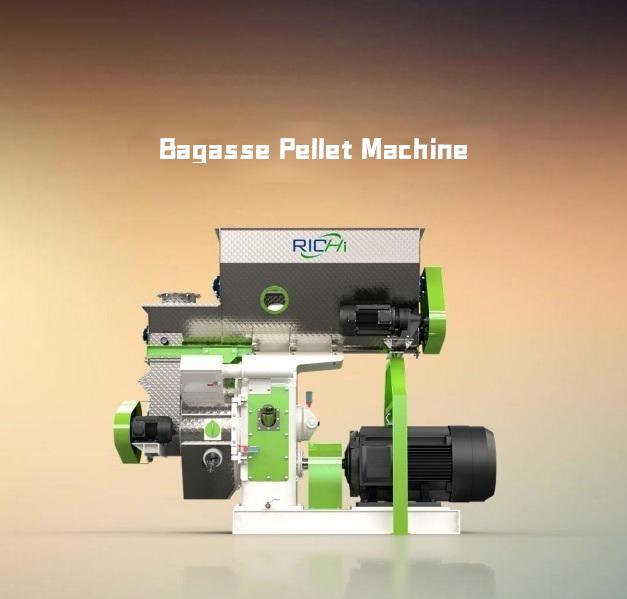
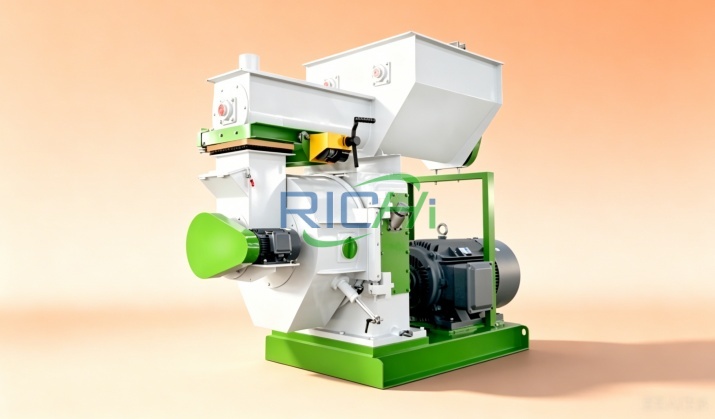
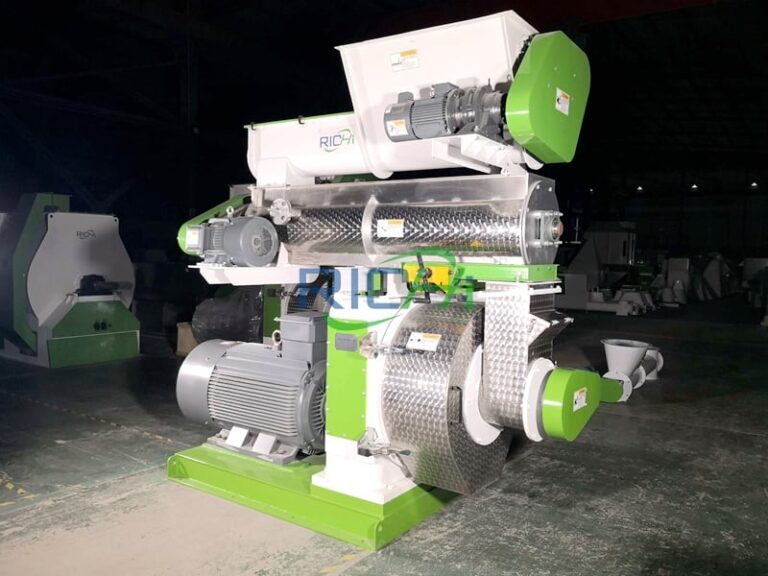
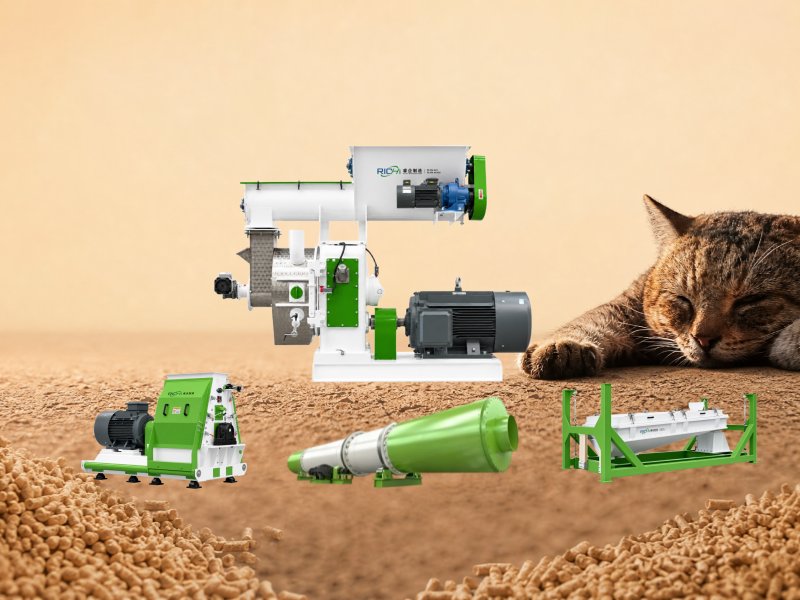
The Sawdust Cat Litter Machine is only one part of that equation. The quality of the raw material, grinding, moisture control, pelletizing, cooling, screening and packaging process all influence the finished product.
A Pellet Is More Than a Shape
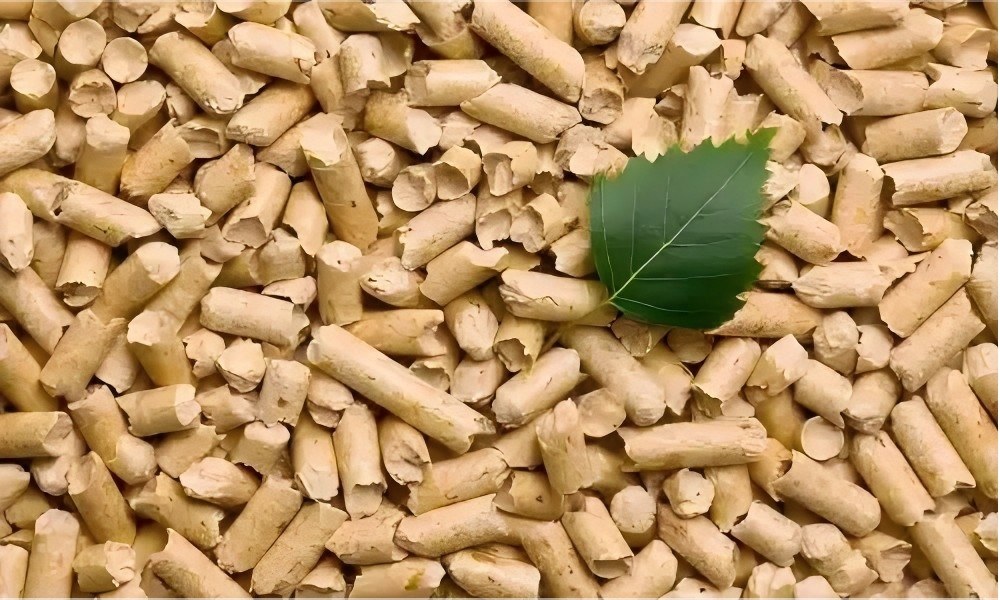
A cylindrical pellet can look perfect and still perform poorly.
The visible shape tells the consumer very little about internal structure.
Two pellets with the same diameter can have different density, hardness and absorption characteristics.
This is why cat litter manufacturers should define the desired product characteristics before selecting equipment.
For example, a manufacturer may want:
- Controlled pellet diameter
- Low fines
- Good absorption
- Suitable mechanical strength
- Consistent density
- Low dust
- Predictable breakdown
Each characteristic may require a different part of the production process to be controlled.
The Raw Material Comes First
Wood is not a uniform material.
Pine, spruce, hardwood and mixed wood residues can have different physical characteristics.
Even within one species, the material can vary depending on where it comes from.
Sawdust generated by a planer may differ from sawdust produced by a saw blade.
This means that raw-material testing can be valuable.
Before committing to large-scale equipment, manufacturers can evaluate representative samples.
Particle Size and Pellet Structure
Particle size affects how material behaves during compression.
If particles are too large, they may not form a consistent structure.
If the material is excessively fine, the process may have different feeding and dust characteristics.
A controlled commercial wood crusher machine for sale can therefore help standardize the feedstock.
This is particularly important when raw materials come from multiple suppliers.
Moisture and Compression
Moisture affects the behavior of wood particles during pelletizing.
The correct condition depends on the raw material and production process.
Too much moisture may create unstable pellet formation.
Too little moisture may also change material behavior.
The objective is therefore not simply “dry material.”
It is material with a suitable and repeatable moisture condition.
This distinction is important for commercial manufacturers.
Why Pellet Strength Matters
Imagine a pellet that looks excellent when it leaves the pellet mill but breaks apart during transportation.
By the time it reaches the consumer, the bag may contain a large amount of fines.
That creates a poor user experience.
Pellet strength therefore needs to be evaluated beyond the production machine.
Manufacturers should consider:
- Cooling
- Conveying
- Screening
- Elevators
- Packaging
- Transportation
Every handling stage can create mechanical stress.
The Cooling Stage Is Part of Quality Control
Cooling is often described simply as temperature reduction.
But it also helps prepare pellets for handling.
Fresh pellets may be warmer and more fragile than stabilized pellets.
Moving them through a suitable cooling process can help prepare the product for screening and packaging.
This becomes particularly important for continuous commercial production.
Screening Can Improve the Final Bag
Screening is one of the easiest ways to separate different pellet fractions.
A finished product may contain:
- Qualified pellets
- Fine powder
- Broken particles
- Oversized pieces
The screening system can separate these fractions according to the manufacturer’s specification.
The goal is not necessarily to remove every small particle.
Instead, the manufacturer needs to define what percentage of fines is commercially acceptable.
That target can then guide equipment and process settings.
What About Additives?
Wood-based cat litter may use additives depending on the product concept.
Possible functions include binding, odor control or product differentiation.
The exact formulation belongs to the manufacturer.
However, additives create another reason to control mixing carefully.
If a small amount of an additive is unevenly distributed, the finished product may not perform consistently.
A good mixing process therefore supports product repeatability.
Can Different Pellet Sizes Target Different Markets?
Yes.
Pellet diameter can influence how the product feels and behaves.
Some customers may prefer finer particles.
Others may prefer larger pellets that are easier to identify and remove.
The target market should therefore influence die selection.
A manufacturer should not choose pellet size simply because a certain die is already available.
The product should come first.
Why Dust Is Such an Important Topic
Dust is one of the first things users notice when opening a bag of cat litter.
For a wood-based product, dust can originate from several stages:
- Crushing
- Grinding
- Pelletizing
- Cooling
- Screening
- Conveying
- Packaging
Reducing dust therefore requires a process-wide approach.
A single machine cannot solve every dust issue.
Proper screening, controlled conveying and dust collection can all contribute to a cleaner product.
What Role Does the Pellet Plant Play?
A complete pellet plant should be designed around the characteristics of the final product.
For example, a plant producing fuel pellets may prioritize different characteristics from a plant producing cat litter.
The same raw material can potentially be processed into different products, but the production parameters and downstream equipment may need to change.
This is why industrial pellet technology should be considered application-specific.
Can a Cat Litter Factory Also Produce Fuel Pellets?
In some cases, a flexible wood-processing line can be designed to produce multiple wood-based pellet products.
This can be useful for businesses that want to use the same raw-material supply for different markets.
For example, one production schedule may be dedicated to cat litter, while another produces biomass fuel pellets.
However, product changeover, cleaning, die selection and packaging need to be considered.
The concept can work, but it requires deliberate engineering.
How Does Packaging Influence Product Perception?
Packaging is the point where the industrial product becomes a consumer product.
A well-manufactured pellet can still perform poorly in the market if packaging allows moisture to enter or produces excessive product damage during handling.
The bag should therefore be selected according to storage and transportation conditions.
Retail products may also require additional information such as:
- Raw material
- Product characteristics
- Usage instructions
- Weight
- Storage recommendations
This is where manufacturing and marketing meet.
How Can Manufacturers Test Product Quality?
A simple internal quality-control program can monitor several variables.
Pellet Size
Check whether the majority of pellets fall within the target range.
Moisture
Monitor the final moisture level.
Fines
Measure the percentage of powder or broken particles.
Strength
Evaluate whether pellets survive handling.
Absorption
Test how quickly the product interacts with liquid.
Odor Performance
If the product uses odor-control additives, test performance consistently.
These tests provide more useful information than simply looking at the pellets.
What Should Equipment Buyers Ask?
When evaluating equipment, buyers can ask:
- What raw materials can the machine process?
- What particle size is recommended?
- What moisture range is required?
- What pellet diameters are available?
- How is pellet temperature controlled?
- How are fines separated?
- How is dust handled?
- What happens to rejected material?
- Can the system be expanded later?
These questions shift the conversation from “machine price” to “production result.”
Why Process Testing Is Valuable
The same machine can behave differently with different raw materials.
This is why testing actual customer material is often useful.
A sample can reveal:
- Required grinding size
- Moisture behavior
- Pellet formation
- Die selection
- Cooling requirements
- Screening performance
For a serious commercial project, testing can reduce uncertainty before a major investment is made.
Companies evaluating equipment manufacturers can Richi manufacture as one reference point when researching integrated pellet-processing technology.
Additional technical information about raw-material preparation and cat litter production can also be helpful resources during the early research stage.
Final Thoughts
A successful wood cat litter product is created through a chain of controlled processes.
Raw material determines the starting point.
Grinding determines particle consistency.
Moisture influences processing behavior.
Pelletizing creates the basic structure.
Cooling stabilizes the product.
Screening controls the final fraction.
Packaging protects it until it reaches the customer.
The pellet machine is therefore important, but it is not the entire story.
Manufacturers who understand this relationship can design production systems around the final user experience rather than around machine specifications alone.