

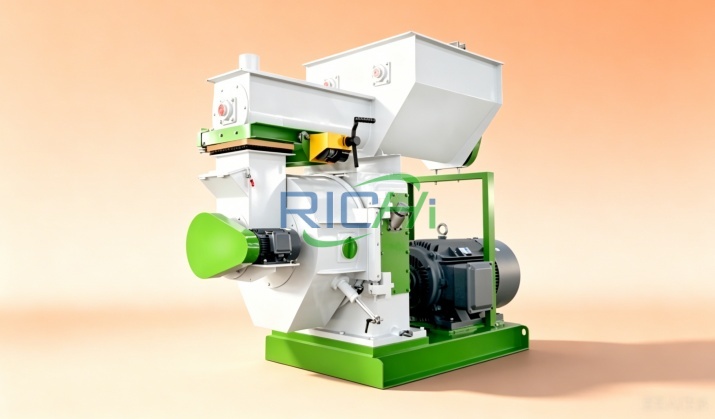
Agricultural Waste: From Disposal Problem to Valuable Resource
Agricultural production generates a large amount of organic waste every year. Materials such as peanut shells, rice husks, corn stalks, wheat straw, and other crop residues are often treated as low-value by-products. In many regions, farmers still dispose of these materials through open burning or uncontrolled dumping, which may cause air pollution and resource waste.
However, the development of biomass energy technology has changed the way people view agricultural residues. Instead of being considered waste, these materials can now become valuable renewable fuel sources through advanced processing methods.
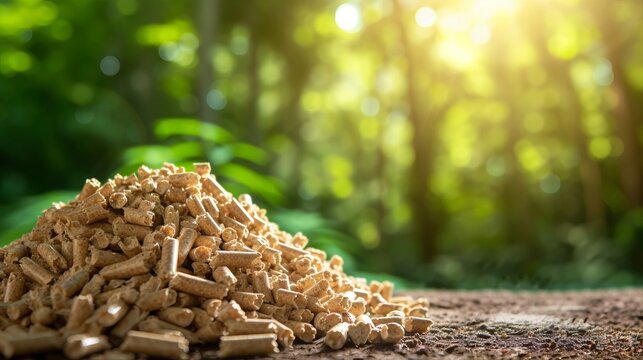
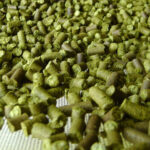
Among various agricultural residues, peanut shells have become an attractive option for biomass pellet production. They are widely available in peanut-producing areas and contain a considerable amount of fibrous materials that can be compressed into dense fuel pellets. With the right processing equipment, peanut shells can be transformed into clean-burning pellets suitable for industrial heating, biomass boilers, and renewable energy applications.
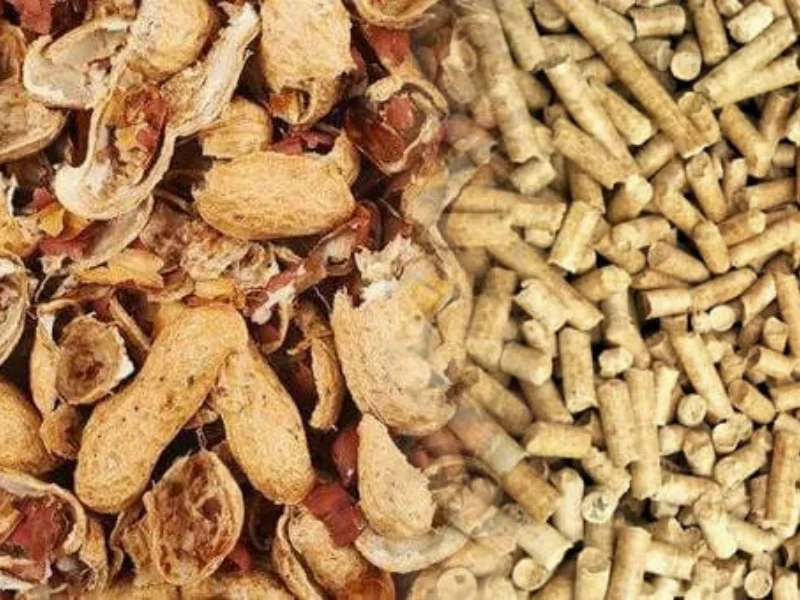
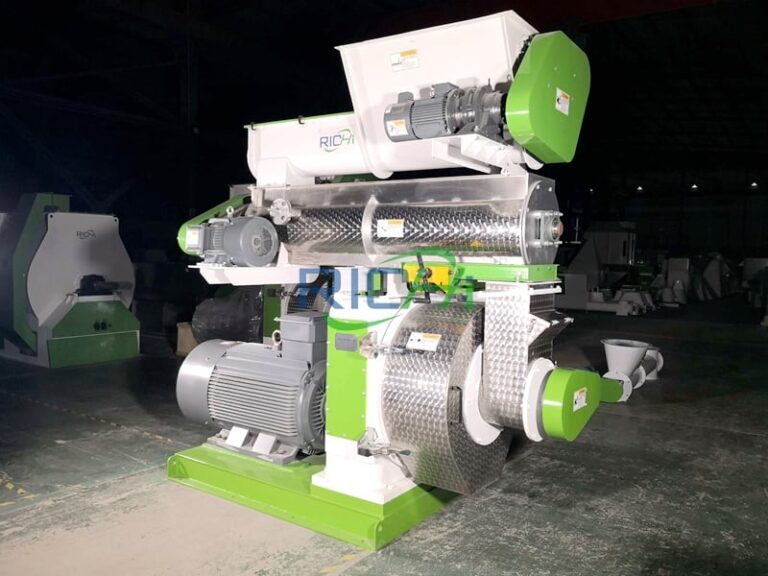
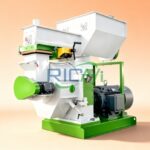
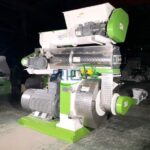
A modern peanut shell pellet making machine provides an effective solution for converting loose agricultural residues into standardized fuel products. Through high-pressure compression, the machine improves material density, making pellets easier to transport, store, and utilize.
Why Peanut Shell Pellets Are Gaining Market Attention
The global demand for renewable energy continues to grow as industries search for alternatives to traditional fossil fuels. Biomass pellets have become an important part of this transition because they are produced from renewable resources and can support a more sustainable energy system.
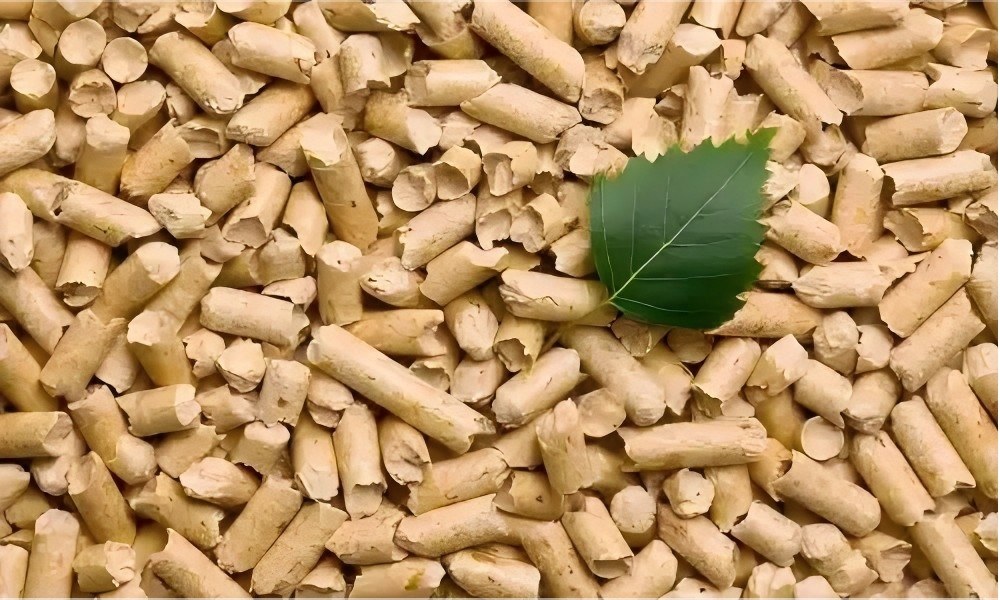
Peanut shell pellets offer several advantages compared with untreated agricultural waste. Loose peanut shells usually have low bulk density, which increases transportation and storage costs. After pelletizing, the material becomes compact and uniform, reducing logistics challenges and improving handling efficiency.
In addition, pellet fuel provides more stable combustion performance. The standardized shape and density allow automatic feeding systems to operate more efficiently, making biomass pellets suitable for various industrial applications.
For agricultural enterprises, pellet production also creates new economic opportunities. Peanut processing companies can utilize their own shell waste to produce fuel instead of paying additional disposal costs. This approach helps build a circular business model where agricultural by-products are converted into profitable products.
Building Efficient Biomass Pellet Production Systems
A successful biomass pellet project requires more than just a pelletizing machine. A complete production system usually includes several stages to ensure high-quality final products.
The first stage is raw material preparation. Peanut shells often need to be crushed into suitable particle sizes before entering the pelletizing process. If the moisture content is too high, drying equipment may also be required to achieve better pellet quality.
After preparation, the material enters the pelletizing stage. During this process, mechanical pressure forces biomass particles through a die, creating dense cylindrical pellets. A high-performance peanut shell pellet machine can provide stable operation and consistent pellet quality for commercial production.
For investors planning a larger agricultural waste processing project, production capacity is another key factor. Different markets require different output levels. For example, some businesses may study the structure of a 3-4 T/H rice husk pellet production line for sale when designing a medium-scale biomass fuel facility. Although rice husk and peanut shells have different characteristics, both require professional crushing, pelletizing, cooling, and packaging solutions.
The complete production line should be designed according to raw material availability, energy requirements, and target market demand. Proper planning helps reduce operating costs and improves long-term profitability.
The Role of Professional Equipment Manufacturers
Choosing reliable machinery is essential for achieving stable biomass pellet production. Equipment quality directly affects production efficiency, maintenance costs, and final pellet performance.
Professional manufacturers usually provide customized solutions based on different raw materials and production goals. They analyze factors such as moisture content, material characteristics, required output, and application scenarios before recommending suitable equipment configurations.
Companies like Richi Pellet Mill have experience in designing biomass processing systems for different agricultural residues. Their solutions focus on improving production efficiency, reducing energy consumption, and helping customers achieve reliable operation.
When evaluating pellet equipment suppliers, businesses should consider not only machine specifications but also engineering support, installation services, and after-sales assistance. A complete technical solution can significantly reduce project risks and improve investment returns.
Supporting the Development of Circular Agriculture
The use of peanut shells for pellet production represents an important step toward circular agriculture. In traditional agricultural systems, waste disposal is often viewed as a challenge. However, modern biomass technology allows these materials to return to the value chain.
By converting agricultural residues into fuel pellets, farmers and processing companies can create additional income sources while reducing environmental pressure. This approach supports sustainable development by maximizing the use of existing resources.
Biomass pellet production also encourages cooperation between agricultural producers, energy companies, and industrial users. Farmers provide raw materials, pellet manufacturers process them into fuel, and industries use the final products as renewable energy sources.
This integrated model demonstrates how agricultural waste management can become an opportunity rather than a burden.
Factors to Consider Before Starting a Pellet Project
Before investing in biomass pellet production, businesses should evaluate several important factors.
First, raw material supply must be stable. A continuous supply of peanut shells or other agricultural residues is essential for maintaining production throughout the year.
Second, the target market should be clearly identified. Biomass pellets can be used in industrial boilers, heating systems, power generation facilities, and other applications. Understanding customer requirements helps determine the appropriate production scale and pellet specifications.
Third, equipment selection should match actual production needs. Oversized equipment may increase unnecessary investment costs, while insufficient capacity may limit future expansion.
Businesses should also pay attention to energy consumption, maintenance requirements, and automation levels. Efficient equipment can improve overall profitability over the entire project lifecycle.
Those who want to compare different biomass processing solutions can look at this website for additional information about pellet technology, equipment configurations, and production applications.
A Promising Future for Peanut Shell Pellet Production
As renewable energy markets continue to expand, agricultural biomass will play an increasingly important role in global energy development. Peanut shells, once regarded as agricultural waste, are becoming valuable resources for clean fuel production.
The combination of advanced pellet technology, professional equipment, and sustainable resource management creates new possibilities for farmers and businesses worldwide.
(Related Post: https://biomasspelletizer.com/husk-pellet-machine/)
Investing in peanut shell pellet production is not only a way to solve waste problems but also an opportunity to participate in the growing renewable energy industry. With continuous innovation and improved processing methods, agricultural residues can provide reliable energy solutions for a greener future.