



Understand the Material Before Choosing Machinery
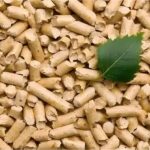
Wood-based cat litter can be produced from suitable sawdust, wood fibers, and other clean wood-processing residues. Although these materials may appear similar, their moisture content, particle size, density, and fiber structure can vary significantly. Those differences influence feeding, compression, pellet durability, and the condition of the finished product. A wood cat litter pellet machine should therefore be selected only after the intended raw material and product specification have been defined.
Prepare Sawdust for Predictable Forming
Control Particle Size and Foreign Matter
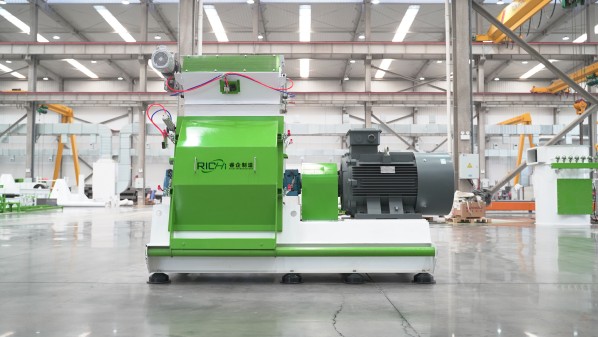
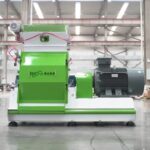
Incoming wood residue may contain oversized chips, fine dust, bark, or foreign matter. Screening can remove fractions that do not suit the product, while grinding or shredding can reduce oversized pieces to a more consistent size. The objective is not to make every particle as fine as possible. Excessive grinding can increase energy use and dust generation without necessarily improving pellet quality.
A suitable particle-size range should be established through trials using the actual raw material. The resulting mixture should feed evenly and form pellets with a consistent appearance. Operators should also check for metal fragments and other contaminants that could damage equipment or compromise product quality. A documented inspection procedure is more reliable than relying on visual checks alone.
Measure Moisture Before Processing
Moisture is one of the main variables affecting wood pellet formation. Material that is too wet may feed unevenly or require more drying downstream, while material that is excessively dry can behave differently during compression. The ideal condition depends on the wood source, formulation, die design, and operating parameters.
Factories should measure incoming moisture and record variations between deliveries. Covered storage and sensible stock rotation can reduce unexpected changes caused by rain or humid conditions. If drying is needed, the dryer must be sized for the expected material flow and moisture reduction, not simply selected by nominal capacity.
Match the Pellet Press to the Product Specification
A bentonite cat litter production line serves a different material category and may use a process arrangement unlike a wood-based system. This comparison illustrates why equipment should be specified according to the feedstock rather than chosen from a generic list. Wood fibers may need careful preparation and moisture adjustment, while mineral materials have their own handling and forming characteristics.
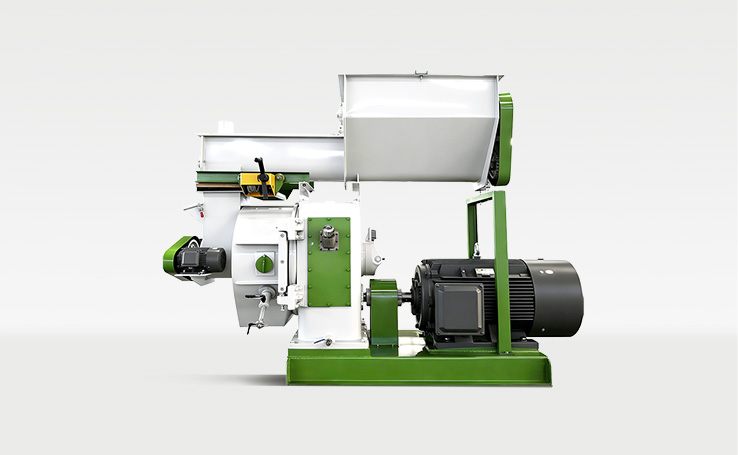
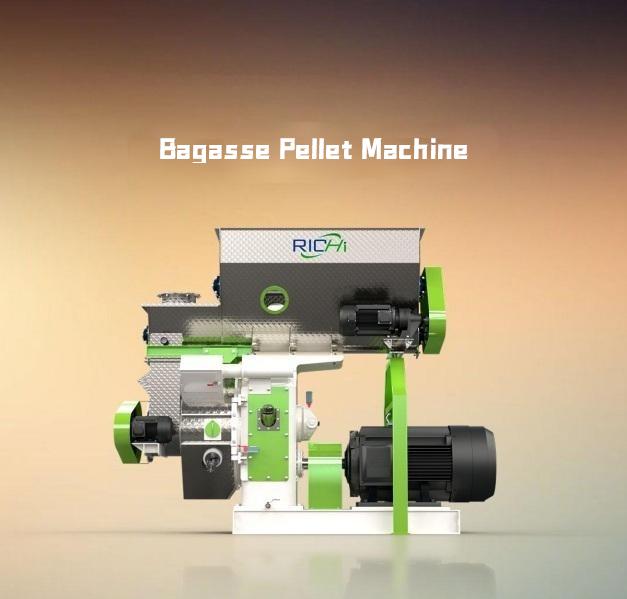
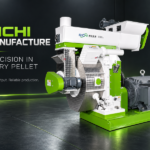
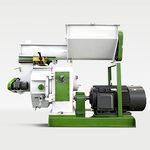
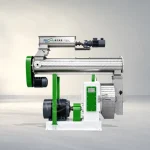
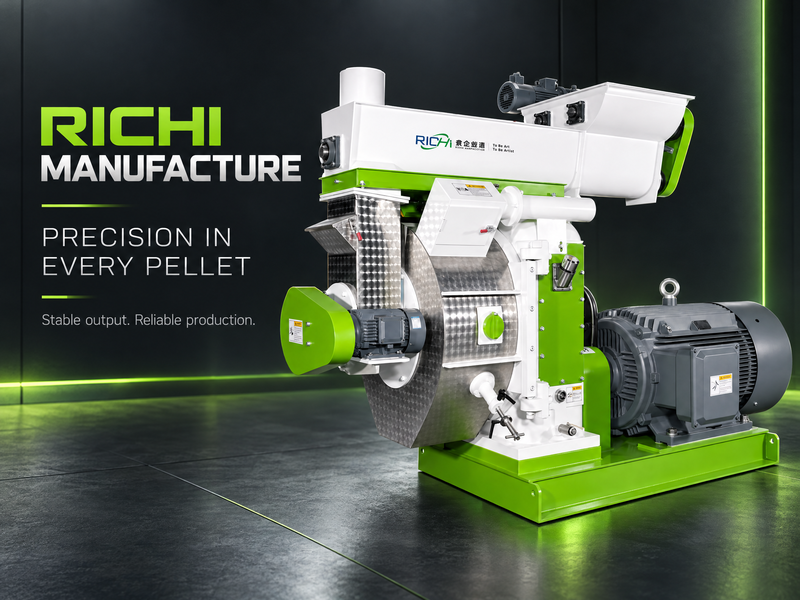
For wood litter, buyers should discuss target pellet diameter, length, density, expected throughput, and acceptable breakage with the equipment supplier. Die dimensions and roller condition influence the forming process, while the cutter affects pellet length. Feed rate and material consistency must also be controlled so that the press does not experience large fluctuations in load.
The nominal capacity of a machine is not a guarantee of the same output with every recipe. Wood species, particle distribution, moisture, and formulation can all change actual throughput. Where practical, a trial with representative material can help establish whether the proposed machine meets the required specification.
Plan Cooling, Screening, and Product Handling
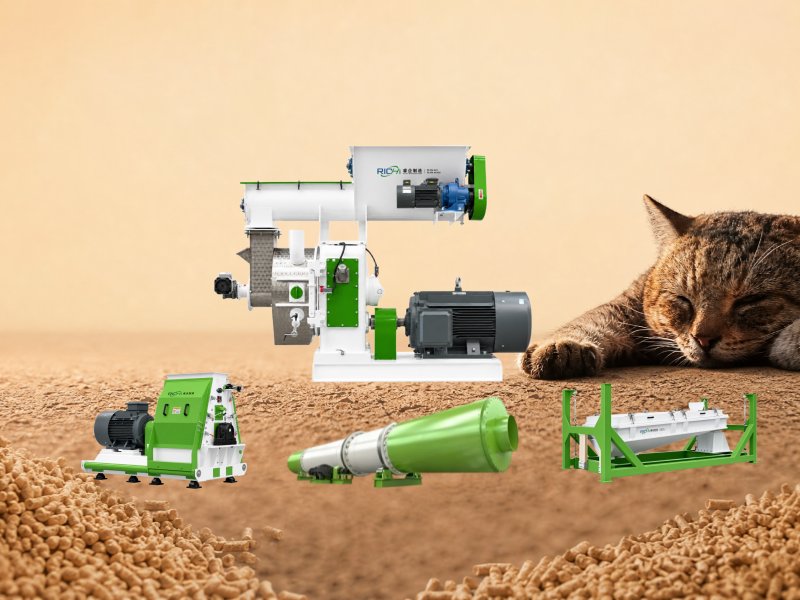
Pellets may retain heat after forming and should be handled according to the process requirements before packaging. Cooling helps bring the product toward a more stable condition, while screening removes broken pieces and material outside the required size range. These stages can influence the final appearance and the amount of saleable product recovered from each batch.
Conveyors, elevators, and transfer points should be laid out to reduce unnecessary handling and avoid bottlenecks. If finished pellets are dropped from excessive heights or transferred too aggressively, breakage may increase. The factory should evaluate product condition after representative conveying and packaging, not only immediately after the press.
Recovered material should be managed through a defined procedure. Clean off-size pellets may sometimes be suitable for reprocessing, but uncontrolled recycling can change the mixture and create inconsistent results. Operators should know which material can be recovered and when it must be rejected.
Evaluate the Supplier and Lifecycle Costs
When reviewing machinery, buyers should consider the purchase price alongside energy use, maintenance access, wear parts, operator training, and technical support. Dies, rollers, bearings, cutters, and drive components may need inspection or replacement according to the operating conditions. Easy access and a dependable spare-parts supply can reduce the time required for routine service.
Use Visit This Link as a prompt to review the available equipment information, then verify the specifications directly with the supplier. A useful technical discussion should include the raw material source, moisture range, target pellet dimensions, operating hours, factory space, and required output. The quotation should clearly identify which auxiliary machines and services are included.
A supplier such as Richi manufacture can be asked to evaluate the proposed process route and equipment combination. The buyer should provide realistic information rather than relying only on a broad capacity target. This makes it easier to identify missing preparation or finishing stages before the project is installed.
Conclusion: Build the Process Around the Wood
Reliable wood cat litter production starts with suitable raw materials and a clearly defined product specification. Particle-size control, moisture management, appropriate pellet-forming equipment, and careful finishing all contribute to consistent output. By evaluating the complete process rather than the press alone, manufacturers can reduce avoidable losses and establish a more dependable production operation.
View details: https://www.richimanufacture.com/cat-litter-pellet-machine/