





Small-scale goat farming and commercial goat feed production are often discussed as if they sit on the same continuum, just at different volumes. They do not. The differences go beyond capacity. They touch ingredient sourcing, formulation discipline, quality control, labor structure, and the way equipment is used day after day.
A farm producing a few hundred kilograms of pellets a week can tolerate variability. A commercial operation producing several tons a day cannot. A small farm can adjust a formula by feel. A commercial feed producer has to document it, repeat it, and defend it to customers. A small farm can stop the machine when something goes wrong. A commercial line has to keep running, because downtime costs money and breaks delivery commitments.
That shift in scale changes what matters. It also changes what a goat feed pellet mill has to do. The machine is no longer a farm tool. It becomes part of a production system with schedules, quality standards, and customers on the other end.
This article looks at what changes when goat feed production becomes a commercial activity. It covers ingredient sourcing at scale, formulation discipline, equipment requirements, quality control, labor, and the practical decisions that separate a reliable operation from one that struggles.
The Shift From Farm Production to Commercial Supply
On a farm, feed production serves the animals. The measure of success is animal performance: growth, milk, condition, health. On a commercial feed operation, production serves customers. The measure of success is repeatability. Customers buy the same product again because it performed the same way as last time.
That difference has consequences.
A farm can adjust a ration when ingredient quality changes. A commercial producer has to manage that change without disrupting the product. That may mean holding ingredient specifications tighter, reformulating within defined limits, or blending ingredients to maintain consistency.
A farm can produce feed when it is convenient. A commercial producer has to produce when customers need it. That means scheduling, inventory management, and the ability to run reliably even when conditions are not ideal.
A farm can absorb a bad batch by feeding it to animals that are not in a critical production stage. A commercial producer cannot. A bad batch either has to be reworked or discarded, and either way it costs money and reputation.
These pressures shape every decision, from equipment selection to staffing to storage.
Ingredient Sourcing at Commercial Scale
Sourcing is where commercial feed production either succeeds or fails. A farm can work with whatever ingredients are available locally. A commercial producer needs a reliable supply of consistent ingredients at predictable prices.
That usually means contracts. Buying on the spot market exposes the operation to price swings and availability gaps. Contracts provide stability, but they also lock in commitments. The producer has to forecast demand accurately and manage inventory carefully.
Ingredient quality is the second issue. Commercial feed producers typically set specifications for moisture, protein, fiber, and contaminants. They test incoming ingredients and reject loads that do not meet those specifications. That level of discipline is rare on farms but essential in commercial production.
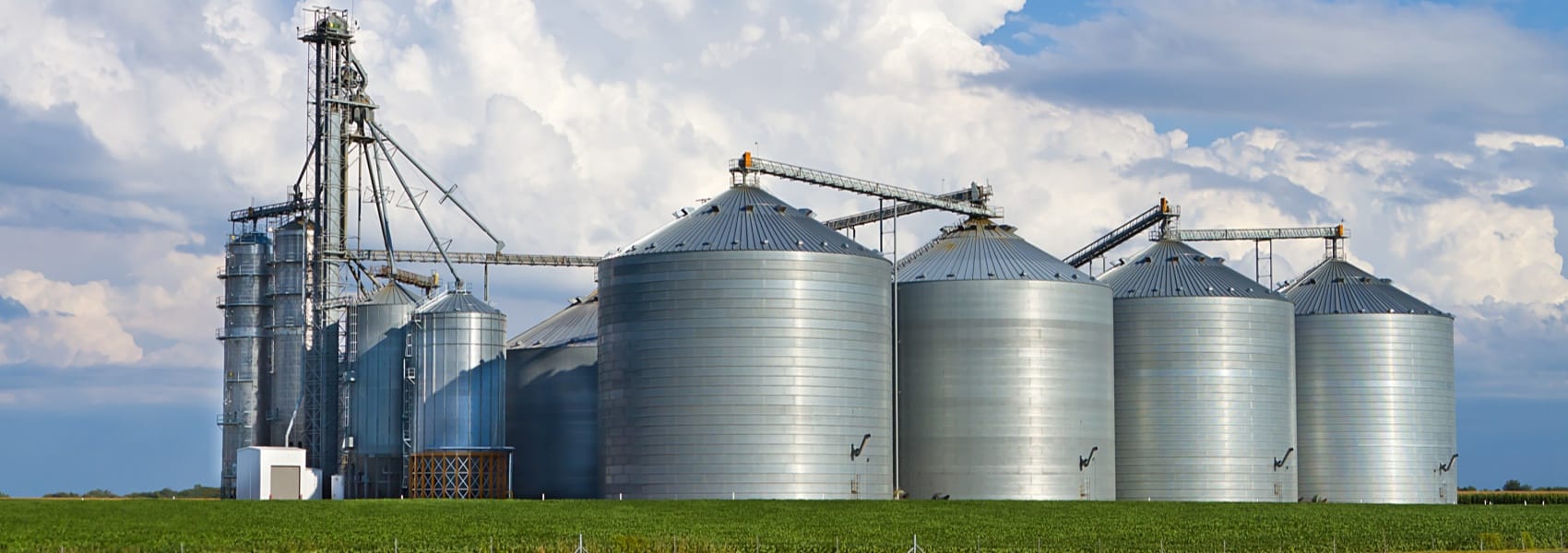
Storage is the third issue. Commercial operations need enough storage to buffer against supply disruptions and to hold ingredients until they are needed. That means silos, warehouses, and handling equipment. It also means pest control and moisture management, because spoiled ingredients are expensive and dangerous.
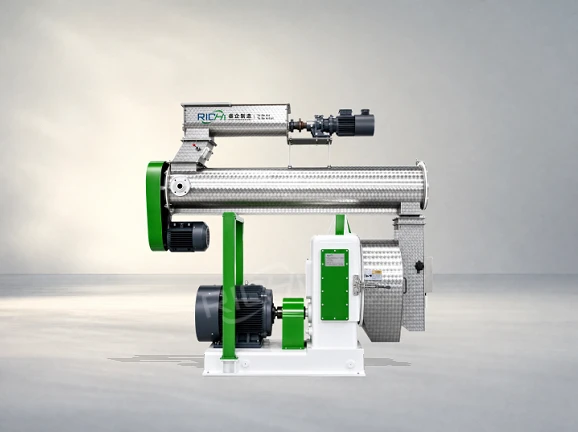
The commercial goat feed pellet machine for goats and sheep category exists because these operations need equipment that can handle consistent, high-volume production across similar ruminant formulas. Goats and sheep have comparable nutritional needs in many respects, though sheep are more sensitive to copper. A commercial producer serving both species has to manage that difference carefully.
Formulation Discipline
Commercial feed production requires formulas that are written down, tested, and followed. That sounds obvious, but it is a significant change from farm practice, where formulas often live in the operator’s head.
A commercial formula specifies:
- Ingredient list with inclusion rates
- Nutrient targets, such as protein, energy, fiber, calcium, and phosphorus
- Allowable ranges for each nutrient
- Processing parameters, such as grind size, moisture, and die selection
- Finished pellet specifications, such as durability and moisture content
These specifications are not suggestions. They are the basis for quality control and customer assurance. If a batch does not meet them, it does not ship.
Formulation also has to account for ingredient variability. If the protein content of a batch of soybean meal is lower than expected, the formula may need adjustment. Commercial producers typically have procedures for this, including laboratory testing and reformulation within approved limits.
For goats and sheep, formulation has to balance rumen health with production needs. Both species need fiber, but the amount varies with production stage. Lactating animals need more energy and protein. Dry animals need less. Growing animals need a different balance again. A commercial producer serving a range of customers may need several formulas rather than one.
Equipment Requirements at Commercial Scale
A commercial pellet mill is not simply a larger version of a farm machine. The demands are different.
Continuous operation is one. A commercial mill may run for extended shifts, day after day. That requires heavy-duty construction, effective cooling, and components rated for continuous duty. A machine designed for intermittent farm use will not hold up.
Consistent output is another. Commercial customers expect the same pellet quality batch after batch. That requires precise control over moisture, temperature, die condition, and feed rate. Automation helps, but it also requires operators who understand the process.
Changeover capability matters if the mill runs multiple formulas. Switching from one ration to another requires cleaning, die changes, and adjustments. A mill that is difficult to change over will lose time and produce more off-spec material.
Maintenance access is important. Commercial mills wear faster because they run more. Dies, rollers, bearings, and drives need regular attention. Equipment that is hard to service will spend more time down.
Energy efficiency is a growing concern. Pelleting is energy-intensive, and power is a major operating cost. A mill that produces good pellets with less energy per ton has a real advantage.
Richi machinery manufacture is one supplier that produces pellet equipment for agricultural and commercial applications. For operations comparing options, reviewing the manufacturer’s range and how it supports commercial-scale production is a practical step before committing to a system.
Quality Control in Commercial Feed Production
Quality control is what separates a commercial feed producer from a farm that sells surplus. It covers incoming ingredients, in-process parameters, and finished product.
Incoming ingredient testing typically includes moisture, protein, fiber, and contaminants. Some operations also test for mycotoxins, which can be a serious problem in grains and oilseeds stored in humid conditions.
In-process monitoring covers grind size, mixing uniformity, moisture addition, die temperature, and pellet durability. These parameters affect both quality and efficiency. A mill that runs too hot may damage vitamins. A mill that runs too cool may produce soft pellets.
Finished product testing covers pellet durability, moisture content, and nutrient analysis. Durability is often measured with a standard tumbler test. Moisture is measured with a meter or by oven drying. Nutrient analysis is usually done by an external laboratory on a sampling schedule.
Record keeping ties it all together. Commercial producers keep batch records that show what was produced, when, with what ingredients, and with what test results. These records support traceability, which matters if a customer reports a problem.
Labor and Organization
Commercial feed production requires a different labor structure than farm production. On a farm, one person may handle everything from ingredient sourcing to feeding. In a commercial operation, roles are more specialized.
Operators run the mill and monitor process parameters. Quality staff test ingredients and finished product. Maintenance staff keep equipment running. Warehouse staff manage inventory and shipping. Management handles scheduling, purchasing, and customer relationships.
Even in a small commercial operation, some division of labor helps. The person running the mill should not also be responsible for quality testing, because that creates a conflict. Someone should be accountable for maintenance, even if it is a shared responsibility.
Training matters. Operators need to understand the pelleting process, not just how to start and stop the machine. They need to recognize signs of trouble, such as unusual noise, vibration, or temperature rise. They need to know when to adjust and when to stop.
Documentation matters too. Written procedures reduce variability and make it easier to train new staff. They also provide a basis for troubleshooting when something goes wrong.
Serving Goats and Sheep From One Operation
Goats and sheep have similar nutritional needs in many ways, but there are important differences. Sheep are more sensitive to copper, so a mineral premix designed for goats may not be safe for sheep. Commercial producers serving both species have to manage this carefully.
One approach is to run separate formulas with separate mineral premixes. That requires clean changeovers and clear labeling. Another approach is to produce a base pellet and add species-specific minerals at the point of sale or feeding. Both approaches have trade-offs.
Fiber inclusion is another consideration. Both species need fiber, but the optimal level varies with production stage and the quality of forage available. A commercial formula has to balance these needs across a range of customers, which may mean offering more than one product.
Pellet size also matters. Goats and sheep can both eat standard pellets, but smaller pellets are easier for young animals. Some producers offer different sizes for different classes of stock.
Cost Structure and Pricing
Commercial feed production has a different cost structure than farm production. The major costs are ingredients, energy, labor, maintenance, and overhead. Ingredients usually dominate, often accounting for 70 to 80 percent of total cost.
Energy is the second major cost in pelleting. Power consumption depends on the formula, the die condition, and the machine’s efficiency. High-fiber formulas require more energy than grain-based formulas.
Labor is a significant cost, especially in operations with multiple shifts. Automation can reduce labor per ton, but it requires capital investment and skilled maintenance.
Maintenance is often underestimated. Dies and rollers wear out, and replacement costs add up. A commercial mill may go through several dies per year, depending on volume and formula.
Pricing has to cover these costs and provide a margin. Commercial producers typically price by the ton, with adjustments for delivery, bagging, and credit terms. Competition can be intense, so cost control matters.
Common Mistakes in Commercial Feed Production
Several mistakes appear repeatedly when operations scale up from farm production to commercial supply.
Underestimating ingredient variability is one. A formula that works with one batch of ingredients may not work with the next. Commercial producers need systems to manage that variability.
Ignoring maintenance schedules is another. A mill that runs continuously wears faster. Skipping maintenance leads to breakdowns, which are far more costly in a commercial operation than on a farm.
Poor changeover procedures are a third. Switching formulas without proper cleaning leads to contamination and off-spec product. That costs money and reputation.
Inadequate quality control is a fourth. Without testing, problems are discovered by customers rather than by the producer. That is the worst possible way to find out.
Weak record keeping is a fifth. Without batch records, traceability is impossible. If a customer reports a problem, the producer cannot investigate effectively.
What a Well-Run Commercial Operation Looks Like
A well-run commercial goat feed operation has several characteristics.
Ingredient sourcing is reliable and documented. Formulas are written, tested, and followed. Equipment is matched to the duty cycle and maintained on schedule. Quality control covers incoming ingredients, in-process parameters, and finished product. Staff are trained and roles are defined. Records support traceability and continuous improvement.
These characteristics do not guarantee success, but their absence almost guarantees problems. Commercial feed production is a demanding business. The margin for error is smaller than on a farm, and the consequences of failure are larger.
For operations considering the transition, the key is to plan the whole system, not just the machine. Equipment matters, but it is only one part. Sourcing, formulation, quality control, labor, and storage all have to work together.
Looking Ahead
Demand for commercial goat and sheep feed is likely to grow as livestock production intensifies in many regions. Producers who can supply consistent, well-formulated feed at competitive prices will find opportunities. Those who cannot will struggle.
The equipment exists to support commercial-scale production. The formulas exist to meet animal needs. What separates successful operations is the discipline to connect them. That means planning, documentation, and a willingness to treat feed production as a business, not a farm chore.