

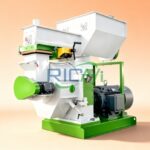
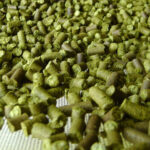
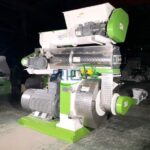
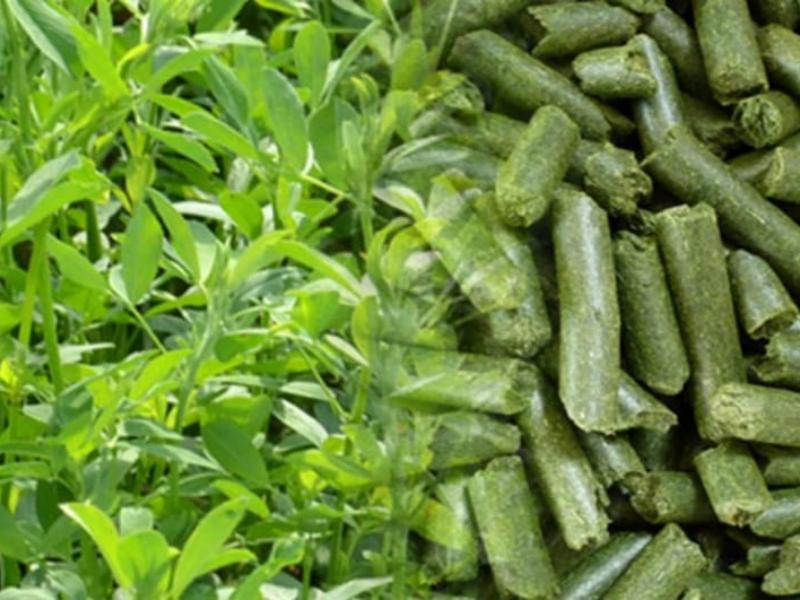
As demand grows for sustainable animal feed and biomass-based products, hay pellet production has become an increasingly attractive option for farms, feed producers, and agribusiness investors. Converting loose hay into compact pellets improves storage efficiency, transportation convenience, and feeding consistency. A modern hay pellet machine for sale provides a practical way to achieve large-scale and standardized grass pellet production.
Why Hay Is Suitable for Pelletizing
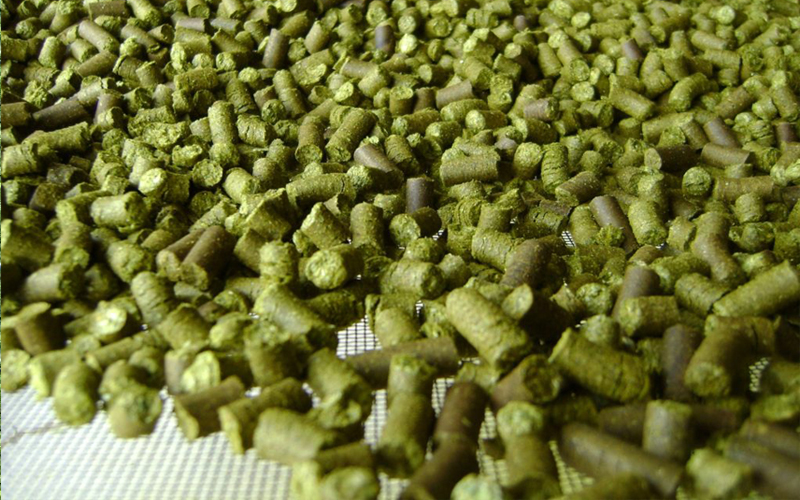
Hay, including alfalfa, timothy grass, ryegrass, and mixed pasture grasses, is widely available in many agricultural regions. However, in its loose form, hay occupies large storage space and is prone to nutrient loss during handling. Pelletizing addresses these challenges by compressing dried grass into dense, uniform pellets.
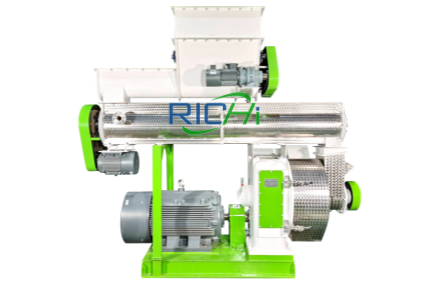
Hay pellets are commonly used as animal feed for cattle, horses, rabbits, and sheep. In some regions, grass pellets are also applied in biomass heating and bedding materials. These diverse applications make hay pellet production a flexible and resilient business opportunity.
(Related Post: https://biomasspelletizer.com/hay-pellet-machine-for-sale/)
Basic Process of Hay Pellet Production
Producing high-quality hay pellets requires more than a single machine. A complete system integrates several processing steps to ensure stable output and pellet durability.
Cutting and Crushing
Raw hay is first chopped and ground into uniform fiber sizes. Proper size reduction ensures smooth feeding into the pelletizing stage.
Moisture Adjustment
Moisture control is essential for grass pellet quality. Hay is typically dried to an optimal moisture range before pelletizing to avoid cracking or powdering.
Pelletizing Stage
The core equipment is the pellet maker, which compresses grass fibers into cylindrical pellets under high pressure and temperature generated by friction.
Cooling and Screening
After pelletizing, pellets are cooled to improve hardness and screened to remove fines before packaging or storage.
This integrated workflow forms a reliable industrial grass pellet production line solution suitable for continuous operation.
Advantages of Investing in a Hay Pellet Machine
Choosing pelletizing equipment for hay processing offers multiple benefits for agricultural producers:
- Improved feed efficiency: Uniform pellets reduce feeding waste
- Lower logistics costs: Pellets are easier to store and transport than loose hay
- Enhanced product consistency: Stable pellet size supports automated feeding systems
- Expanded market opportunities: Suitable for feed, bedding, and biomass use
For many buyers, understanding how pelletizing improves overall efficiency is a key decision factor. A clear technical explanation of the process helps investors evaluate equipment performance and long-term value.
Application Scenarios for Hay Pellets
Hay pellets are widely used in livestock farms, feed mills, and commercial feed distribution networks. Horse owners value hay pellets for their consistent nutrition, while large farms benefit from easier storage and controlled feeding. In some industrial settings, grass pellets are also utilized as renewable fuel for heating systems.
When researching different pellet plant configurations and operational examples, buyers often review real-world references. These case-based insights help clarify capacity planning, equipment selection, and cost expectations.
Key Factors When Choosing a Hay Pellet Machine for Sale
Selecting the right pellet machine is essential for stable production and long service life. Buyers should consider:
- Compatibility with different grass types
- Output capacity and energy efficiency
- Die and roller durability for fibrous materials
- Ease of maintenance and spare part availability
A well-designed hay pellet machine for sale ensures reliable operation under varying raw material conditions and seasonal workloads.
Market Outlook for Grass Pellet Production
With increasing focus on sustainable agriculture and efficient feed management, grass pellet production continues to expand globally. Regions with abundant pasture resources are actively investing in pelletizing technology to enhance value-added processing.
As equipment technology advances, hay pellet machines are becoming more adaptable, energy-efficient, and user-friendly. For producers aiming to modernize feed processing and improve resource utilization, grass pelletizing represents a forward-looking and economically viable solution.