1. Introduction: The Rise of Wood Pellet Energy
The global shift towards renewable energy sources has brought biomass energy into the spotlight, with wood pellets emerging as one of the most efficient and eco-friendly fuels available today. A wood pellet plant cost represents not just an industrial opportunity but also a step towards sustainable energy practices. Wood pellets are small, cylindrical pieces of compressed sawdust, wood shavings, or other biomass materials. They are widely used for heating residential and industrial spaces, as well as for power generation in biomass power plants.
In addition to their practical benefits, wood pellets have become a symbol of the global move toward carbon neutrality. Countries aiming to reduce fossil fuel consumption increasingly favor pellet-based heating systems. This trend highlights the strategic value of owning a wood pellet production facility, as the demand for high-quality pellets continues to grow in Europe, North America, and parts of Asia.
2. Historical Context of Wood as Fuel
Wood has been humanity’s primary energy source for millennia, from open fires in prehistoric caves to sophisticated wood-burning stoves in modern households. The transition from burning raw wood to producing high-density pellets marks a significant technological advancement. While traditional firewood is bulky and less efficient, wood pellets offer higher energy density, controlled combustion, and easier storage and transport.
In Europe, pellet use surged in the 1980s and 1990s as countries sought to reduce reliance on coal and imported oil. Over time, the industry standardized pellet sizes and quality, creating a global market. Today, modern wood pellet plants for sale integrate centuries of knowledge about wood energy with advanced machinery, reflecting a blend of traditional and contemporary practices.
3. Key Components of a Wood Pellet Plant
A standard wood pellet plant for sale consists of several critical components:
Wood Crusher / Hammer Mill: Reduces raw biomass into fine particles suitable for pelletizing.
Dryer: Reduces moisture content to optimal levels (typically 10–15%) to ensure pellet durability and energy efficiency.
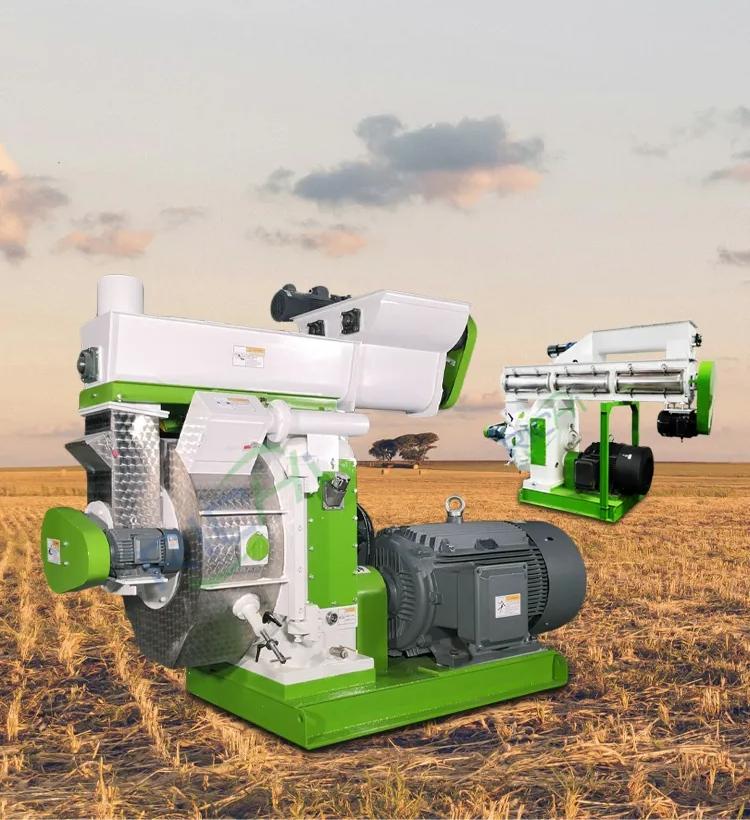
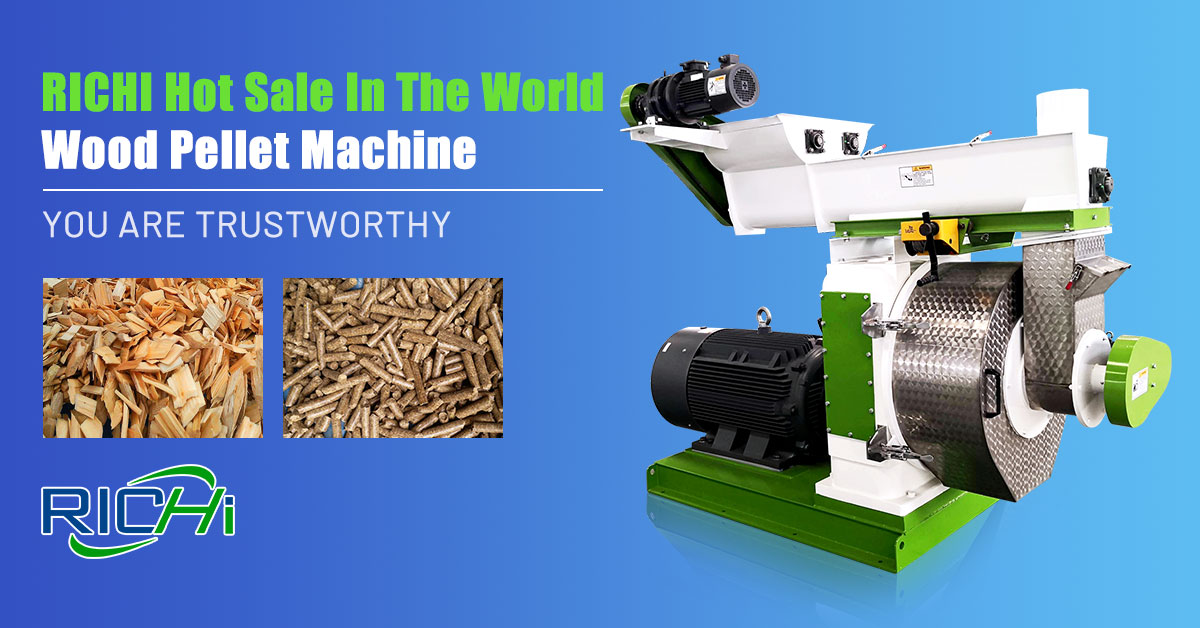
Pellet Mill: Compresses the biomass into dense, cylindrical pellets.
Cooling System: Stabilizes pellets and prevents breakage during storage or packaging.
Packaging System: Facilitates easy distribution to retailers, industrial users, or export markets.
Modern plants may also feature automated control systems that monitor moisture levels, pellet density, and production speed. This automation ensures consistent quality while reducing labor requirements. Companies like RICHI supply plants with modular designs, allowing both small and large-scale operators to enter the market without excessive initial investment.
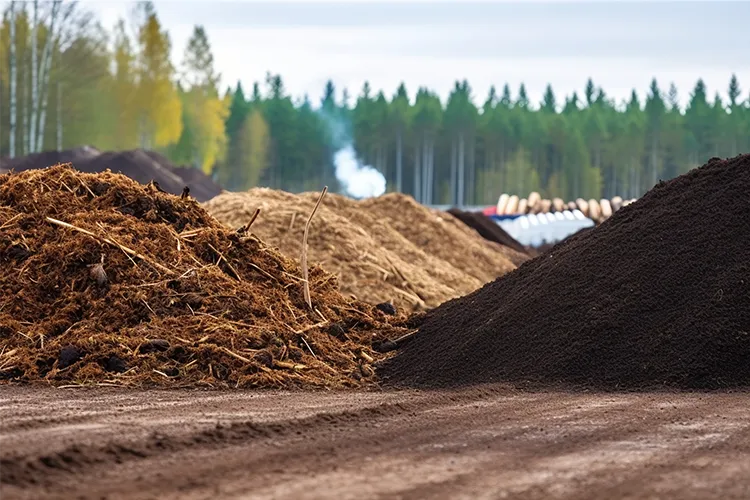
The raw materials used in pellet production are highly versatile. Sawdust from lumber mills, wood chips, forestry residues, and even agricultural by-products like rice husks or straw can be converted into energy-rich pellets. This flexibility not only lowers production costs but also promotes environmental sustainability by utilizing waste that would otherwise decompose and release greenhouse gases. https://richipelletizer.com/wood-pellet-line/
4. Advantages of Wood Pellets Over Traditional Fuel
Wood pellets offer several advantages compared to traditional firewood or coal:
Higher Energy Density: Pellets produce more heat per unit volume than raw wood.
Efficient and Clean Combustion: Modern pellet stoves and boilers minimize smoke and ash.
Ease of Handling and Storage: Uniform size and shape make pellets easy to transport and store.
Sustainable and Renewable: Made from waste biomass, pellets contribute to carbon-neutral energy cycles.
These benefits have made pellets the preferred choice for residential heating in colder climates and industrial-scale boilers. In countries like Sweden, Germany, and the United States, pellet heating is integrated into national energy strategies, creating a strong demand for high-quality production facilities. Entrepreneurs searching for a wood pellet plant for sale can capitalize on this growing international market while contributing to sustainable energy solutions.
5. Technological and Environmental Considerations
Producing durable, high-quality pellets requires precise control over moisture content, particle size, and compression. Excess moisture can cause pellets to crumble, while insufficient moisture may increase wear on the pellet mill. Modern plants, such as those supplied by RICHI Equipment, integrate advanced drying technology, energy-efficient pellet presses, and automated monitoring systems to maintain consistent quality and minimize production costs.
Environmentally, pellet production reduces waste and greenhouse gas emissions. By converting sawdust, wood shavings, and agricultural residues into fuel, a pellet plant transforms materials that would otherwise decompose into methane—a potent greenhouse gas—into a carbon-neutral energy source. This not only benefits the environment but also aligns with global sustainability initiatives, making wood pellets an attractive energy option for both consumers and industrial users.
6. Cultural and Economic Significance
Wood pellets symbolize the intersection of technological innovation, environmental stewardship, and economic opportunity. Many governments support biomass energy projects through subsidies, tax incentives, and renewable energy programs. Owning or operating a wood pellet plant for sale positions entrepreneurs and companies at the forefront of this green energy movement.
Economically, regions with abundant forestry and agricultural residues benefit from lower operational costs and predictable revenue streams. International trade in wood pellets is expanding, with Europe importing large volumes from North America and Southeast Asia. This creates an export opportunity for producers who operate high-quality, efficient plants.
Culturally, the adoption of pellets reflects a growing awareness of sustainability and renewable energy. Communities increasingly prioritize eco-friendly energy, which enhances the social value of operating a pellet production facility. Go right here
7. Choosing the Right Plant and Supplier
When considering a wood pellet plant for sale, several factors are crucial:
Local Biomass Availability: Ensure raw materials are sufficient year-round.
Production Capacity: Small, medium, or large-scale plants depending on market goals.
Technological Support: Advanced automation can improve efficiency and reduce labor costs.
Environmental Compliance: Adherence to emission and sustainability regulations is critical.
Suppliers like RICHI offer solutions for a wide range of capacities and production goals, with modular designs suitable for small and medium enterprises. Their plants often combine reliability, durability, and scalability, making them ideal for both domestic use and export-oriented production.
8. Conclusion: A Green Investment Opportunity
A wood pellet plant for sale offers more than just a business opportunity; it represents a step toward sustainable energy and environmental responsibility. As global energy systems continue their transition from fossil fuels to renewable sources, wood pellets will play an increasingly important role.Whether for domestic heating, industrial applications, or export markets, investing in a wood pellet plant is a strategic decision that balances economic profitability with environmental stewardship. With the right technology, materials, and management, operators can generate stable revenue while contributing to a greener, more sustainable world. Wood pellet production plant in Italy