

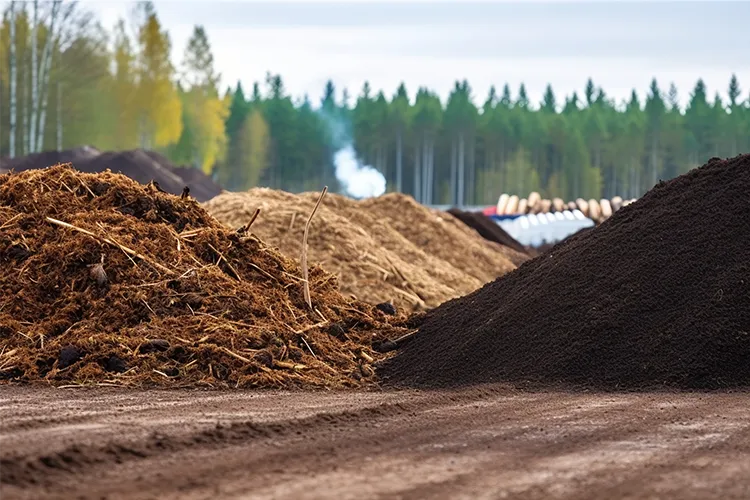
With the global focus on renewable energy intensifying, the biomass energy industry has ushered in rapid development. The biomass pellet production line, as a core equipment system for converting agricultural and forestry wastes into clean energy, plays a pivotal role in promoting energy structure optimization and environmental protection. Beyond the integrated production line, specialized biomass pellet machines tailored for different raw materials such as wood chips, alfalfa, and EFB (Empty Fruit Bunch) have also become key supports for the diversified development of the biomass industry. Choosing the right production line and matching equipment is essential for realizing efficient, low-cost biomass pellet production.
Core Advantages and Working Process of Biomass Pellet Production Line
A complete biomass pellet production line integrates multiple processing links, with systematic advantages and scientific working processes to ensure stable and high-quality production of biomass pellets.
- Key Advantages: It realizes automated continuous production, with a production capacity ranging from 1 ton to 50 tons per hour, significantly improving production efficiency compared with single machines. The standardized processing process ensures uniform pellet quality, with high density (1.1-1.3 g/cm³) and good combustion performance, suitable for biomass power generation, industrial boilers, and household heating. By converting agricultural and forestry wastes such as straw, wood chips, and EFB into high-value pellets, it not only solves waste disposal problems but also creates considerable economic benefits. Additionally, the production process is environmentally friendly, with equipped dust removal systems to meet strict environmental protection standards.
- Working Process: The entire production process of the biomass pellet production line includes raw material pretreatment, crushing, drying, mixing, pelleting, cooling, screening, and packaging. First, raw materials are cleaned to remove impurities; then crushed into particles smaller than 12mm by crushing equipment. Next, the drying equipment reduces the moisture content of raw materials to 10-15% (a critical factor for successful pelleting). After uniform mixing, the materials enter the pellet machine for extrusion molding. The high-temperature extrusion process (around 70-90°C) makes the pellets firm and durable. Finally, the cooled and screened qualified pellets are packaged into finished products for storage and transportation.
Specialized Biomass Pellet Machines for Different Raw Materials
Different biomass raw materials have distinct physical and chemical properties, requiring specialized pellet machines to ensure production efficiency and product quality. Common specialized types include:
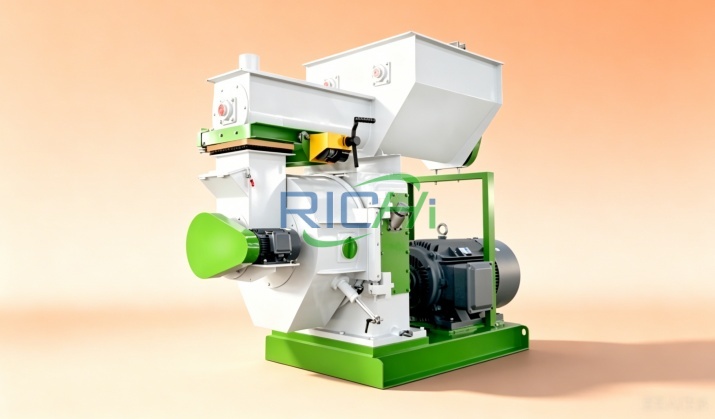
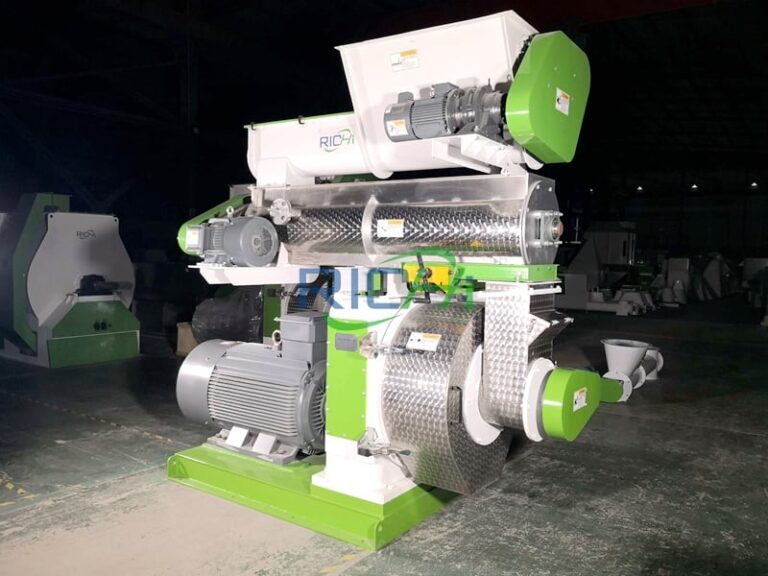
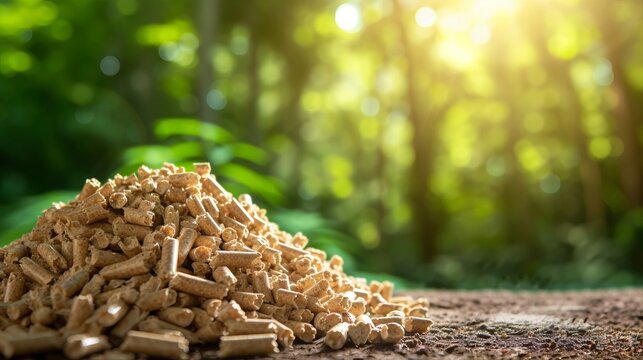
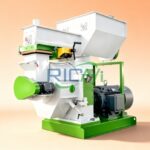
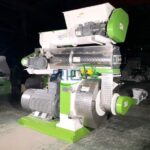
- Wood Chip Pellet Machine: Tailored for processing woody raw materials such as pine, birch, poplar wood chips, and sawdust. The biomass wood pellet machine adopts a vertical ring die structure with strong extrusion capacity and good heat dissipation performance. The die and pressure rollers are made of high-wear-resistant alloy steel, suitable for the high-fiber characteristics of wood chips. The produced wood pellets have high calorific value and are widely used in industrial and household heating.
- Alfalfa Pellet Machine: Designed for herbaceous raw materials such as alfalfa, clover, and grass meal. It features a low-pressure pelleting design to avoid excessive damage to the nutritional components of alfalfa, making the pellets not only suitable for energy use but also for ruminant feed. The machine is equipped with a special feeding device to prevent material arching, ensuring stable feeding and pelleting efficiency.
- EFB Pellet Machine: Specialized in processing palm oil industry waste EFB. EFB has high fiber content and strong toughness, so the machine is equipped with a high-torque transmission system and a special die with reasonable compression ratio. It can effectively crush and extrude EFB into high-quality pellets, realizing the resource utilization of palm industry waste and creating new economic value for palm oil enterprises.
- Straw Pellet Machine: Suitable for agricultural wastes such as corn straw, wheat straw, and rice straw. It adopts a dual-roller extrusion structure to adapt to the loose and low-density characteristics of straw. The machine has good adaptability to different types of straw and can produce qualified pellets without adding adhesives, reducing production costs.
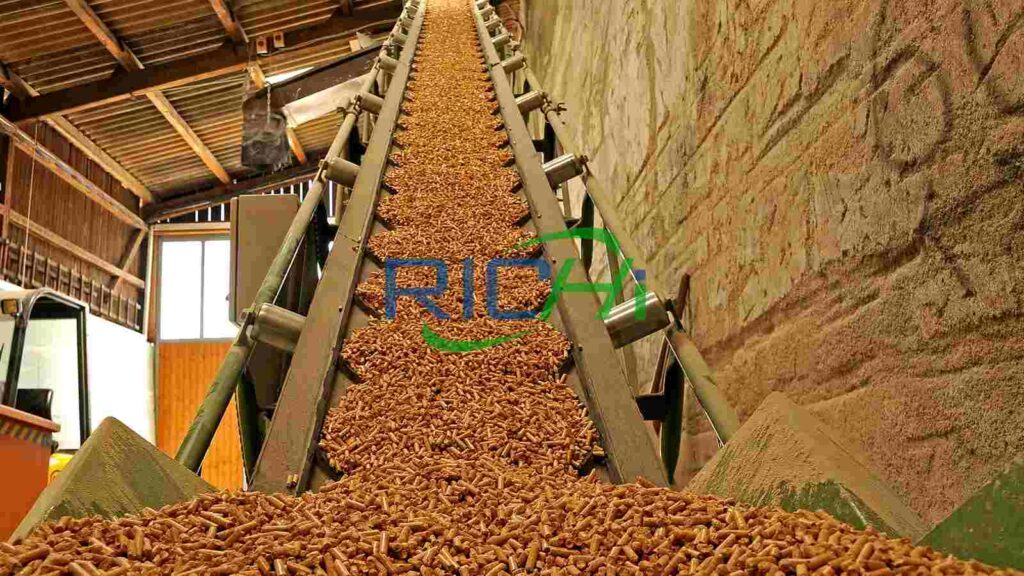
Diverse Biomass Production Lines for Specific Raw Materials
Based on the characteristics of different biomass raw materials, the biomass pellet production line can be customized into specialized production systems to maximize production efficiency and product quality.
- Wood Chip Biomass Pellet Production Line: Focuses on woody raw material processing, equipped with high-efficiency wood crushers and drying equipment with strong moisture removal capacity. The pelleting section adopts vertical ring die pellet machines, and the whole line is equipped with dust removal systems to meet the environmental protection requirements of forestry areas. It is suitable for wood processing factories and biomass energy enterprises near forest areas.For details, please see:https://www.richimanufacture.com/cat-litter-production-line/
- EFB Biomass Pellet Production Line: Tailored for palm oil-producing regions, the preprocessing section is equipped with EFB special crushers and depithing equipment to remove impurities and pith from EFB. The drying section adopts high-temperature rapid drying equipment to adapt to the high moisture content of EFB. The production line has strong corrosion resistance to adapt to the humid and hot environment in palm oil-producing areas.
- Alfalfa Biomass Pellet Production Line: Integrates feed and energy dual-purpose functions, with a gentle drying process to retain the nutritional value of alfalfa. The mixing section can add appropriate additives according to needs, and the pelleting section uses low-pressure pellet machines. It is suitable for agricultural and animal husbandry integrated enterprises, realizing the dual use of alfalfa for feed and energy.
RICHI: Trusted Supplier of Biomass Pellet Production Line
When selecting a biomass pellet production line and specialized pellet machines, choosing a reliable brand is crucial. RICHI, a professional manufacturer of biomass and feed machinery with decades of experience, has won wide recognition from global users for its high-quality products and comprehensive services.
RICHI’s biomass pellet production line adopts a modular design, which can be customized according to the user’s raw material type, production scale, and product requirements. The core pellet machines are equipped with high-wear-resistant dies and pressure rollers, with a service life increased by 30% compared with ordinary products. RICHI also provides one-stop services including pre-sales on-site investigation, production line design, on-site installation and commissioning, and after-sales technical training, ensuring that users can use the equipment efficiently and stably.
Key Considerations for Choosing Biomass Pellet Production Line
To select the most suitable biomass pellet production line, the following factors should be considered:
- Raw Material Type: Select the corresponding production line configuration according to the main raw material (wood chips, alfalfa, EFB, etc.), focusing on the adaptability of crushing, drying, and pelleting equipment to the raw materials.
- Production Scale: Small-scale production (1-5 tons/hour) can choose a compact production line; large-scale enterprises (10 tons/hour or more) should select a fully automated large-scale production line to meet mass production needs.
- Product Application: If the pellets are used for energy, prioritize production lines that ensure high pellet density and calorific value; if used for feed, select lines that retain nutritional components.
- Equipment Quality and After-Sales Service: Prioritize equipment with high-quality core components to reduce later maintenance costs. Choose manufacturers like RICHI that provide timely and comprehensive after-sales services to ensure uninterrupted production.
Conclusion: Choose the Right Biomass Pellet Production Line for Green Development
The biomass pellet production line is an important carrier for the development of renewable energy, and matching it with specialized pellet press machines for different raw materials can maximize the value of biomass resources.
By considering factors such as raw material type, production scale, and product application, and cooperating with a trusted brand like RICHI, you can obtain high-performance production line solutions. This will help you realize efficient and low-cost production of biomass pellets, seize opportunities in the renewable energy market, and contribute to the global green and sustainable development. (explanation)